The Methods Behind the Flavor
Italian cooking relies less on complex procedures and more on precise control of heat, timing, and texture. Many dishes look simple because the technique is doing the heavy lifting. Once you understand these core methods, most Italian recipes become variations on familiar patterns rather than entirely new challenges.
Italy at a Glance — Technique Logic
Heat control: Moderate, rarely aggressive
Fat use: For flavor distribution, not excess richness
Texture priority: Tender but structured
Complexity: Low ingredient count, high precision
Goal: Clarity of flavor
Soffritto — The Aromatic Foundation
Finely chopped onion, carrot, and celery gently cooked in fat forms the base of countless soups, sauces, and braises. The key is low heat and patience; the vegetables should soften and sweeten without browning deeply.
If the heat is too high, bitterness replaces sweetness and the dish loses its balance before it even begins.
Sautéing Aromatics
Garlic, herbs, or onions are often briefly cooked in olive oil to release aroma before other ingredients are added. Timing matters: garlic burns quickly and becomes harsh, while undercooking leaves it sharp and raw.
Think of this step as “opening the flavor,” not browning for color.
Simmering, Not Boiling
Many Italian sauces develop flavor through gentle simmering rather than aggressive reduction. A rolling boil can toughen proteins, dull flavors, and break emulsions.
Small bubbles are enough. Patience does the rest.
Pasta Cookery
Pasta is the backbone of the cuisine, and small details matter.
Cook in heavily salted water so the pasta itself is seasoned. Stop cooking while it still has structure — al dente — then finish it in the sauce so the two integrate.
Overcooked pasta absorbs sauce poorly and loses textural contrast.
Emulsifying Sauces
Many classic sauces achieve richness without cream by combining starch from pasta water with fat from olive oil, butter, or cheese. Tossing pasta vigorously in the pan creates a glossy coating that clings rather than pools.
This technique is responsible for the luxurious texture of dishes like cacio e pepe and aglio e olio.
Braising
Tough cuts of meat become tender through slow cooking in liquid. The goal is transformation without dryness: connective tissue melts while the meat remains intact.
Temperature control is crucial — too hot and the meat tightens, too cool and it remains tough.
Roasting for Concentration
Vegetables, poultry, and meats are roasted to intensify flavor through browning while retaining interior moisture. Olive oil, herbs, and salt are often all that’s required.
Crowding the pan traps steam and prevents proper caramelization.
Finishing for Balance
Italian dishes are frequently adjusted at the end with small additions that sharpen flavor:
A drizzle of olive oil
Fresh herbs
Grated cheese
A splash of pasta water
A squeeze of lemon
These final touches bring the dish into focus.
Texture Awareness
Italian cooking pays close attention to how food feels as well as how it tastes. Contrast between creamy and firm, crisp and tender, or saucy and structured keeps dishes satisfying without heaviness.
Why These Techniques Matter
Once these methods are familiar, recipes stop feeling like rigid instructions. You can judge doneness by sight, smell, and texture rather than timers alone, making it easier to adapt to different ingredients or quantities.
Technique creates consistency even when recipes change.
Explore Italian Cooking Further
Recipes • Pantry • Regional Cuisines • Cooking Guide
-
Pane di San Giuseppe — St. Joseph's Bread

The Bread That Doesn’t Need Sugar to Matter Some breads are built to impress. This one was built to survive. Across Sicily, In southern Italy—this bread appears on the table […]
-
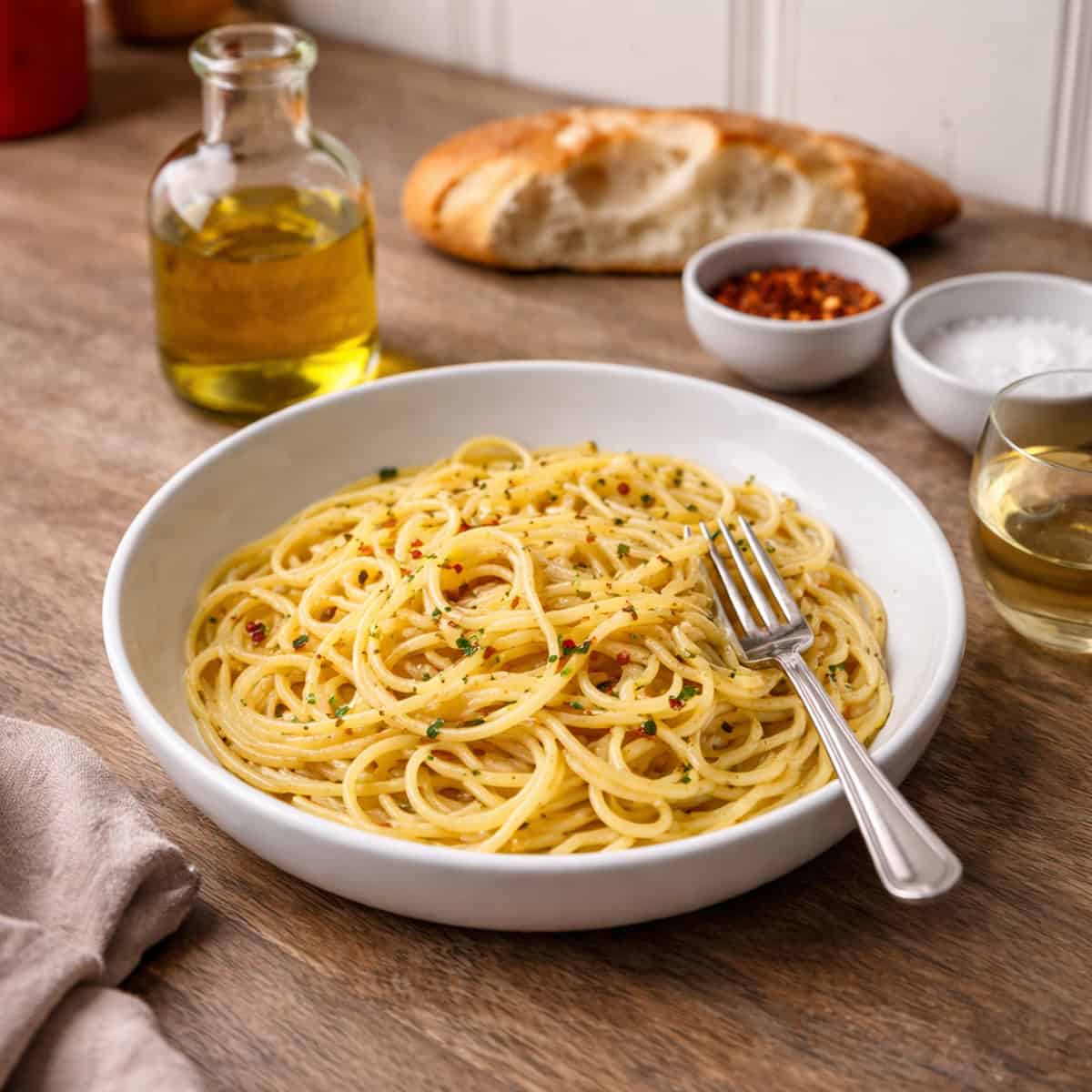
Authentic Spaghetti Aglio e Olio | Italian Garlic & Olive Oil Pasta
Spaghetti aglio e olio is what you cook when the pantry looks bare but dinner still matters. Olive oil, garlic, dried chili, and pasta — nothing decorative, nothing hidden, nothing […]
-
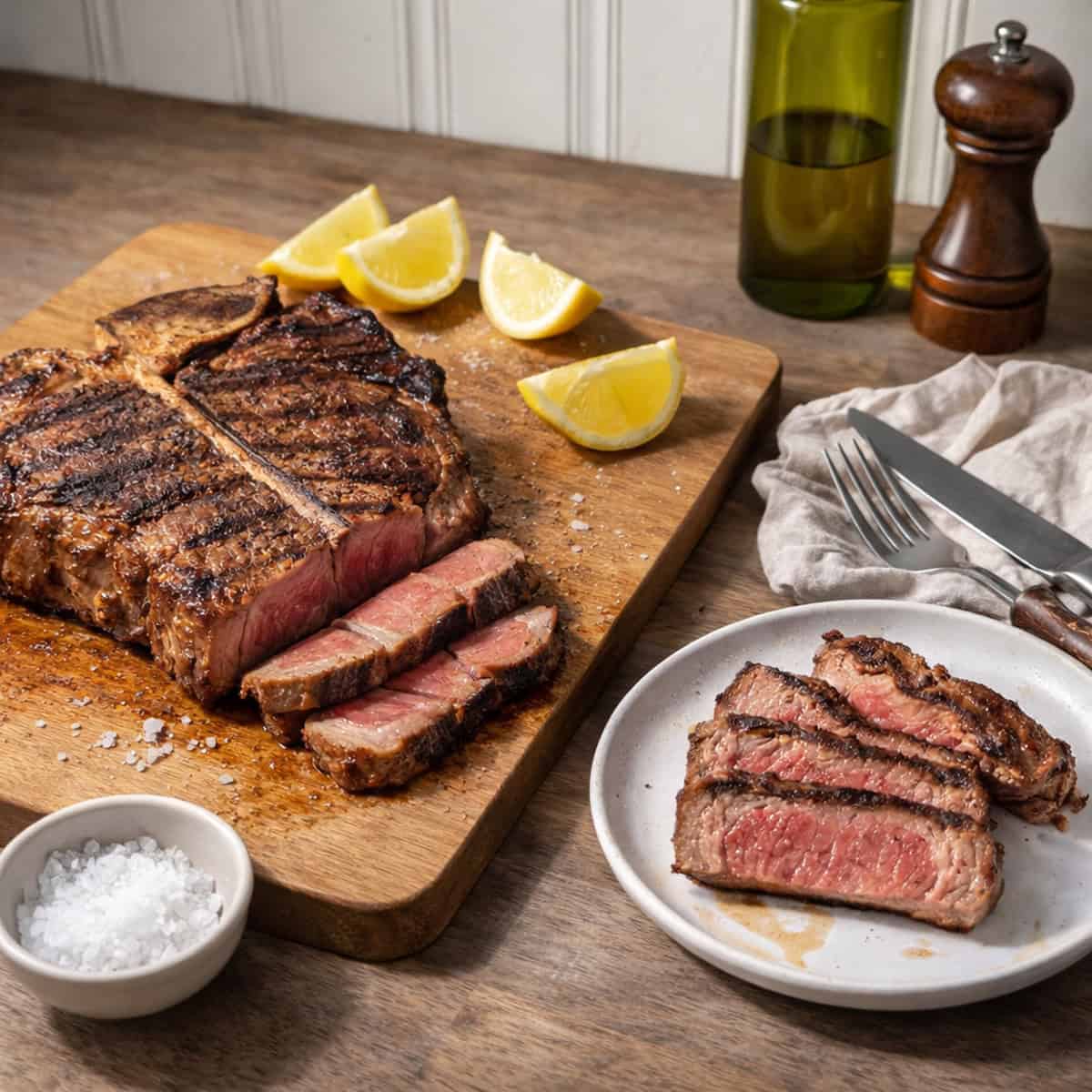
Bistecca alla Fiorentina
Bistecca alla Fiorentina isn’t about seasoning, sauces, or clever technique. It’s about a massive cut of beef, fierce heat, and knowing when to stop interfering. Why This Dish Matters In […]
-
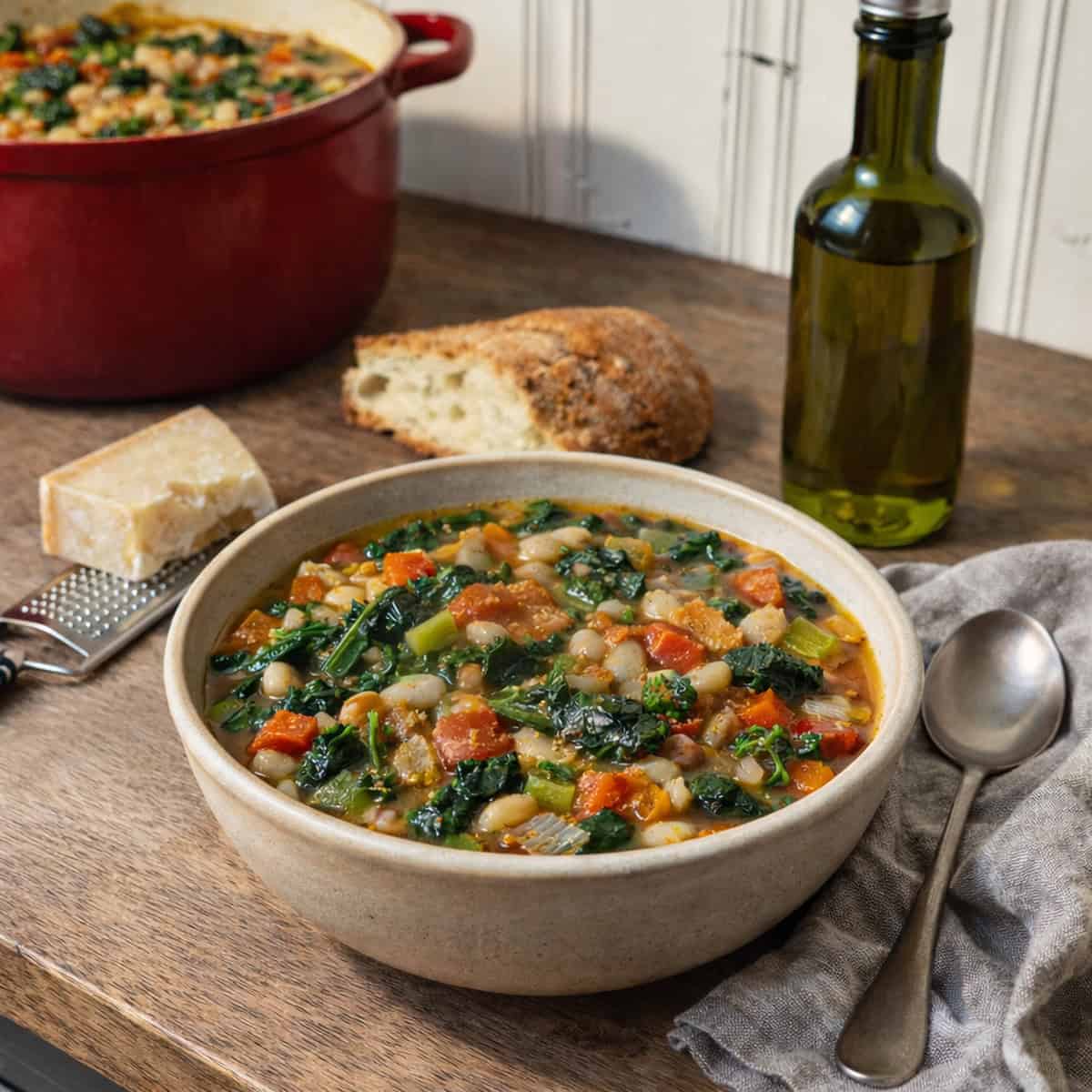
Ribollita (Tuscan Bread and Vegetable Soup)
Ribollita is not a soup you “invent.” It’s a soup you inherit. Born out of necessity in Tuscany, ribollita is what happens when yesterday’s bread, yesterday’s beans, and whatever vegetables […]
-
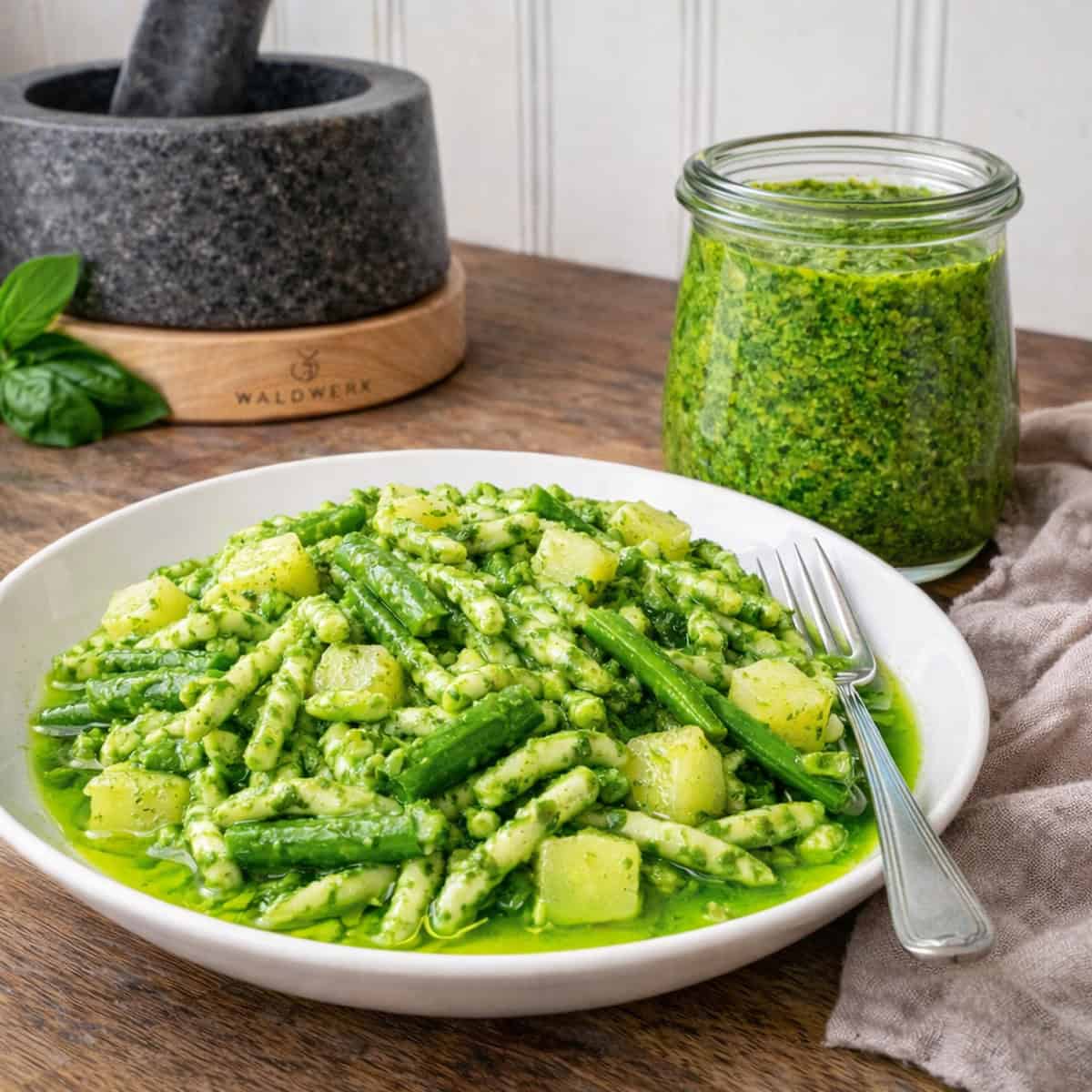
Pesto Genovese (The Real Thing)
Pesto Genovese doesn’t need fixing, It doesn’t need lemon, cream, spinach, walnuts, or clever substitutions meant to make it louder or greener or more “interesting.” It exists because basil grows […]
-
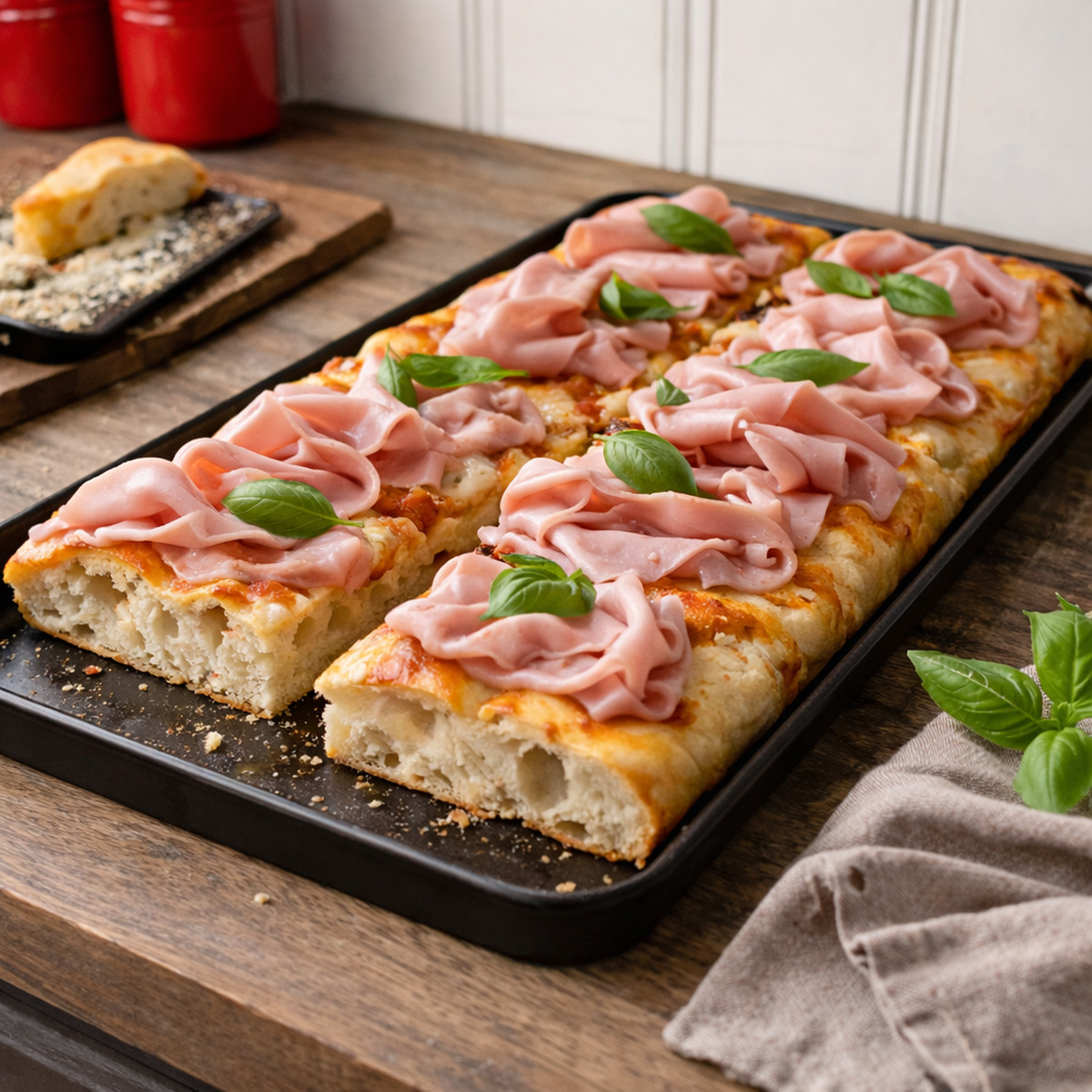
Roman Pizza an Oven bake alternitive to a pizza oven
(Pizza in Teglia Romana) Roman pizza doesn’t chase attention. It earns it. This is pizza built on dough — how it’s mixed, how it rests, how it’s handled, and how […]
-
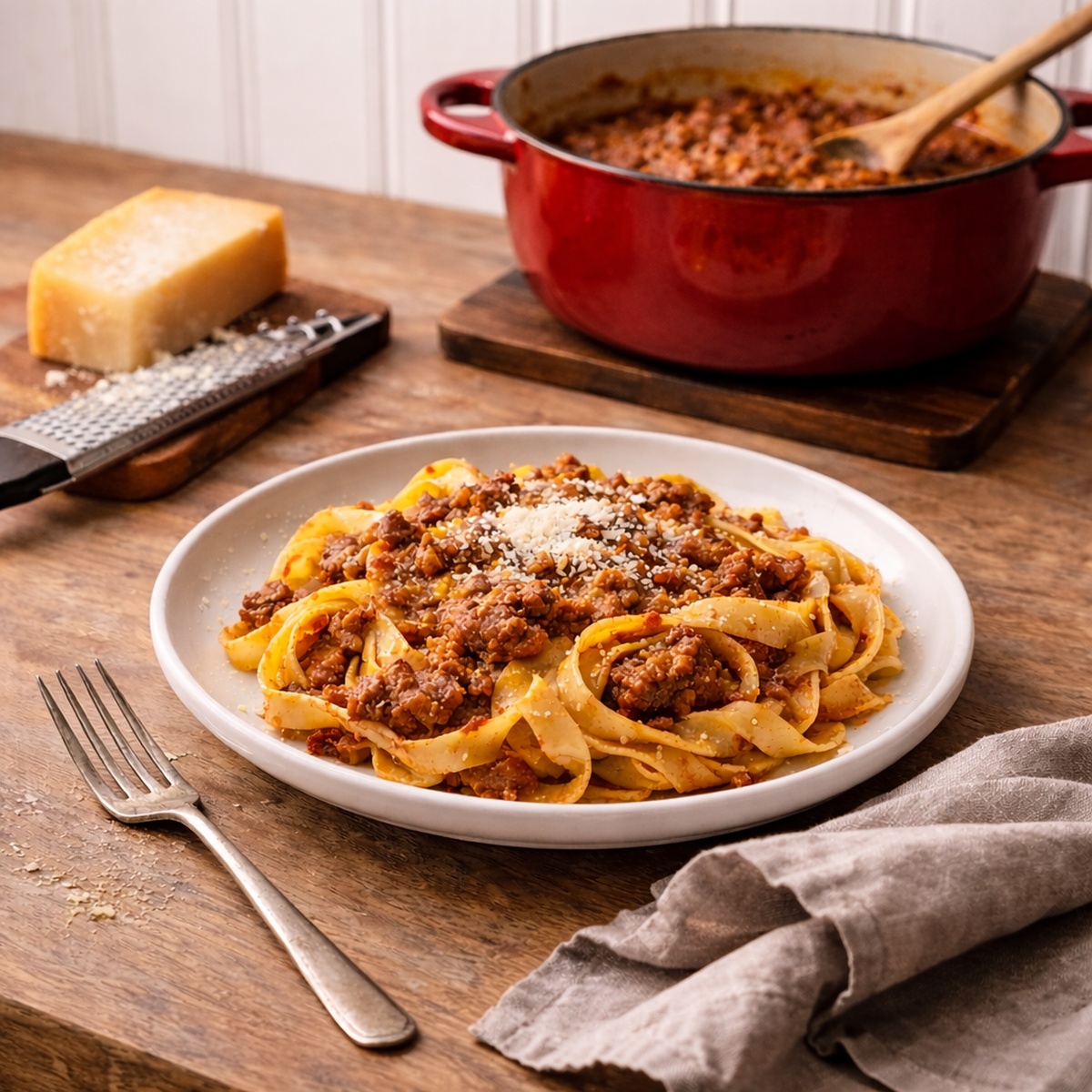
Bolognese (Ragù alla Bolognese)
A traditional ragu alla Bolognese, slow cooked with beef and pork until it settles in over time. There’s no big reveal, no glossy finish, no reason to Instagram it halfway […]
-
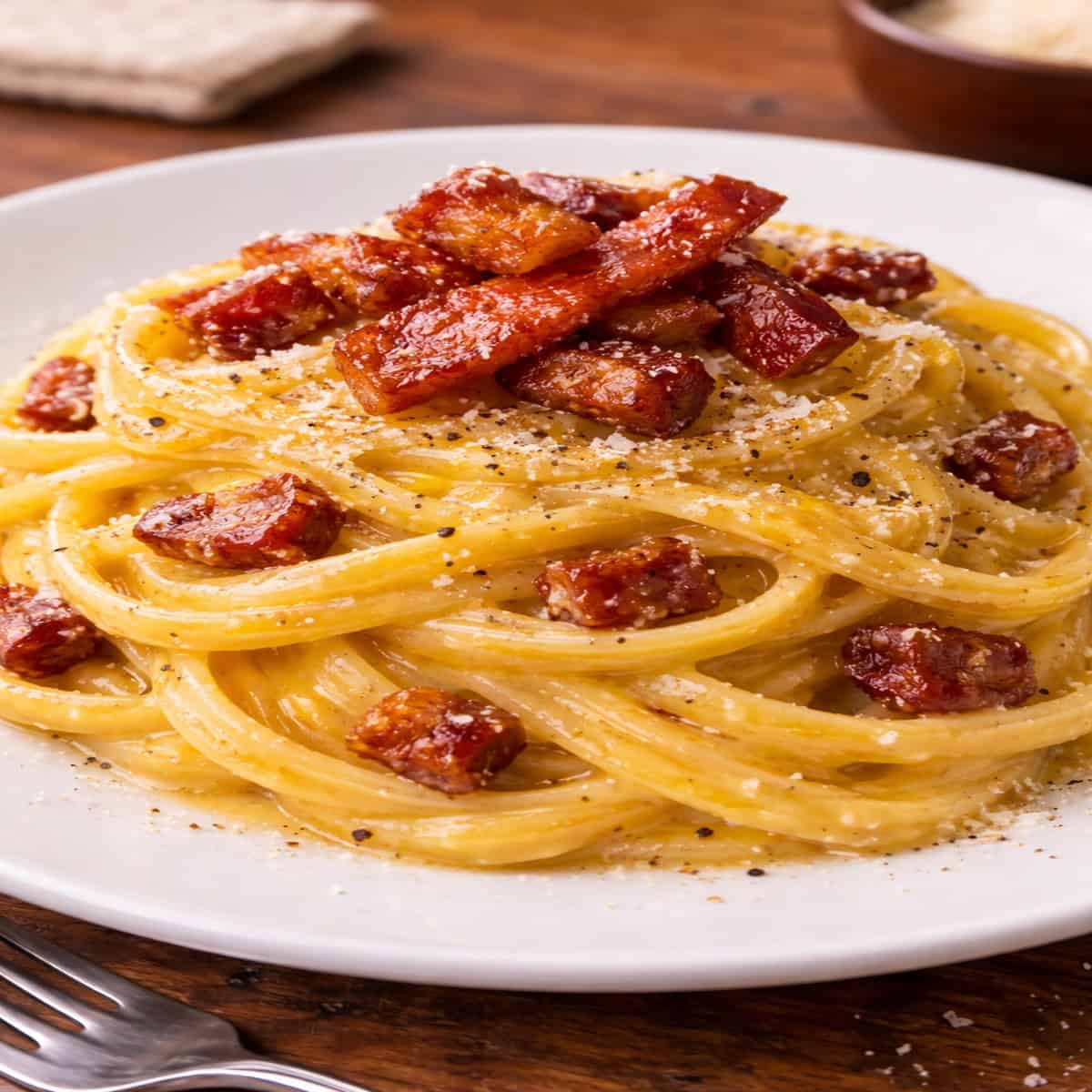
Carbonara with Fresh Pasta
Carbonara is a trust exercise. Trust in ingredients. Trust in timing. Trust that you don’t need cream, garlic, peas, or clever substitutions to make something deeply satisfying. When carbonara goes […]
-
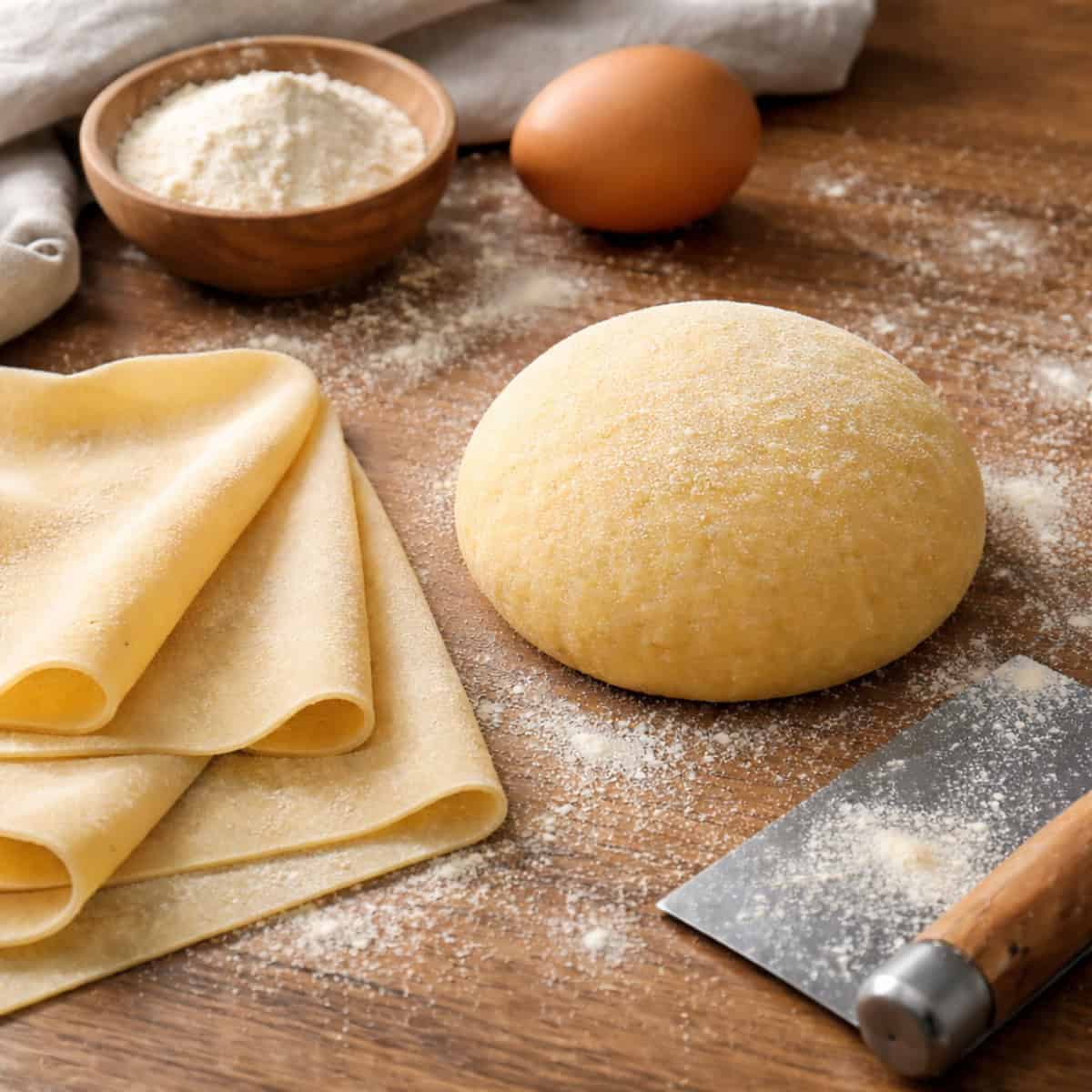
Basic Pasta Dough (By Hand or Food Processor)
Fresh pasta doesn’t ask for much. Flour, eggs, pressure, and time. What it does ask for is attention — especially at the beginning, when the dough tells you exactly what […]
-
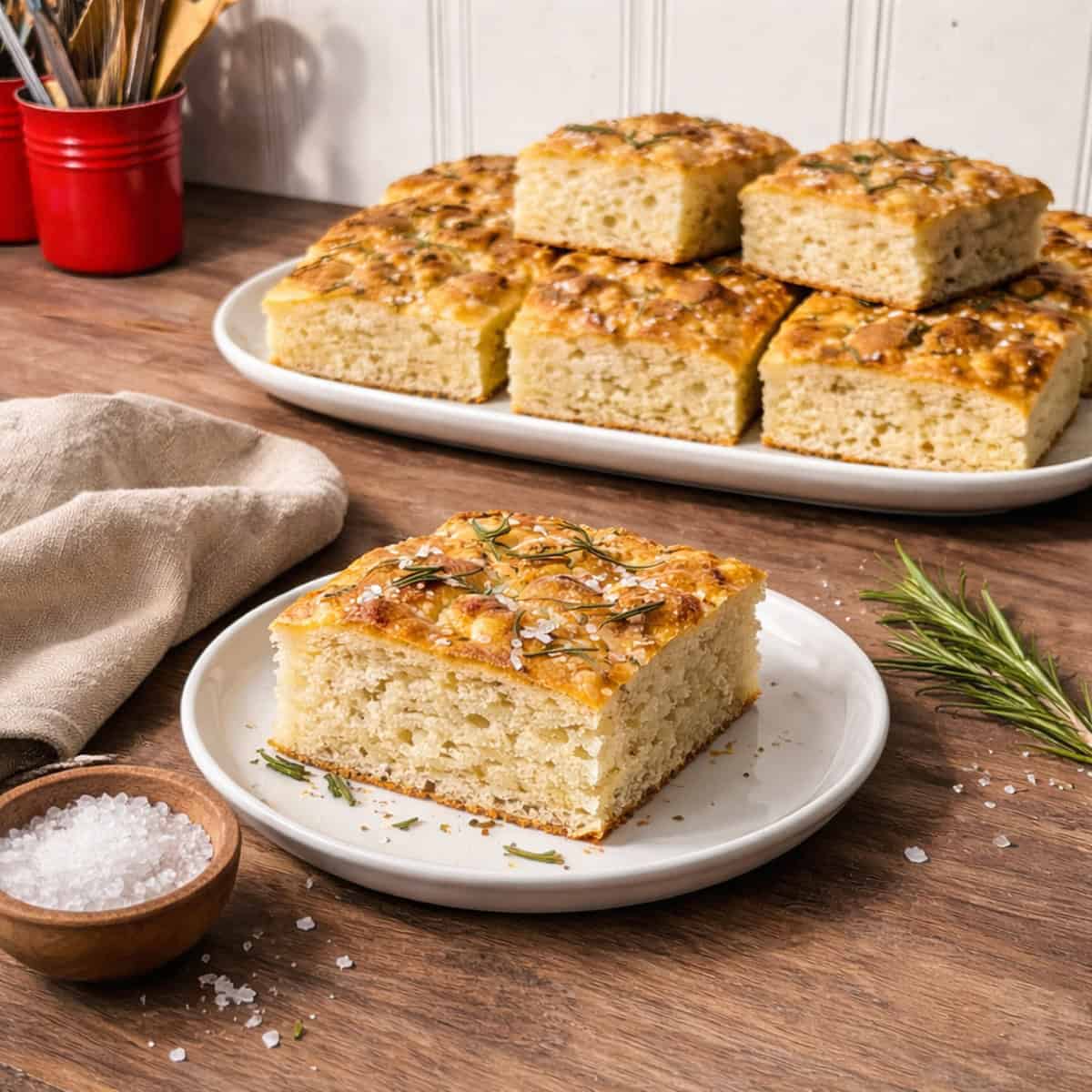
Focaccia (Same-Day Bake or Overnight Ferment)
Focaccia is forgiving, but it isn’t casual. It looks relaxed — olive oil, dimples, salt — but what gives it character happens long before the oven turns on. Fermentation, timing, […]
-
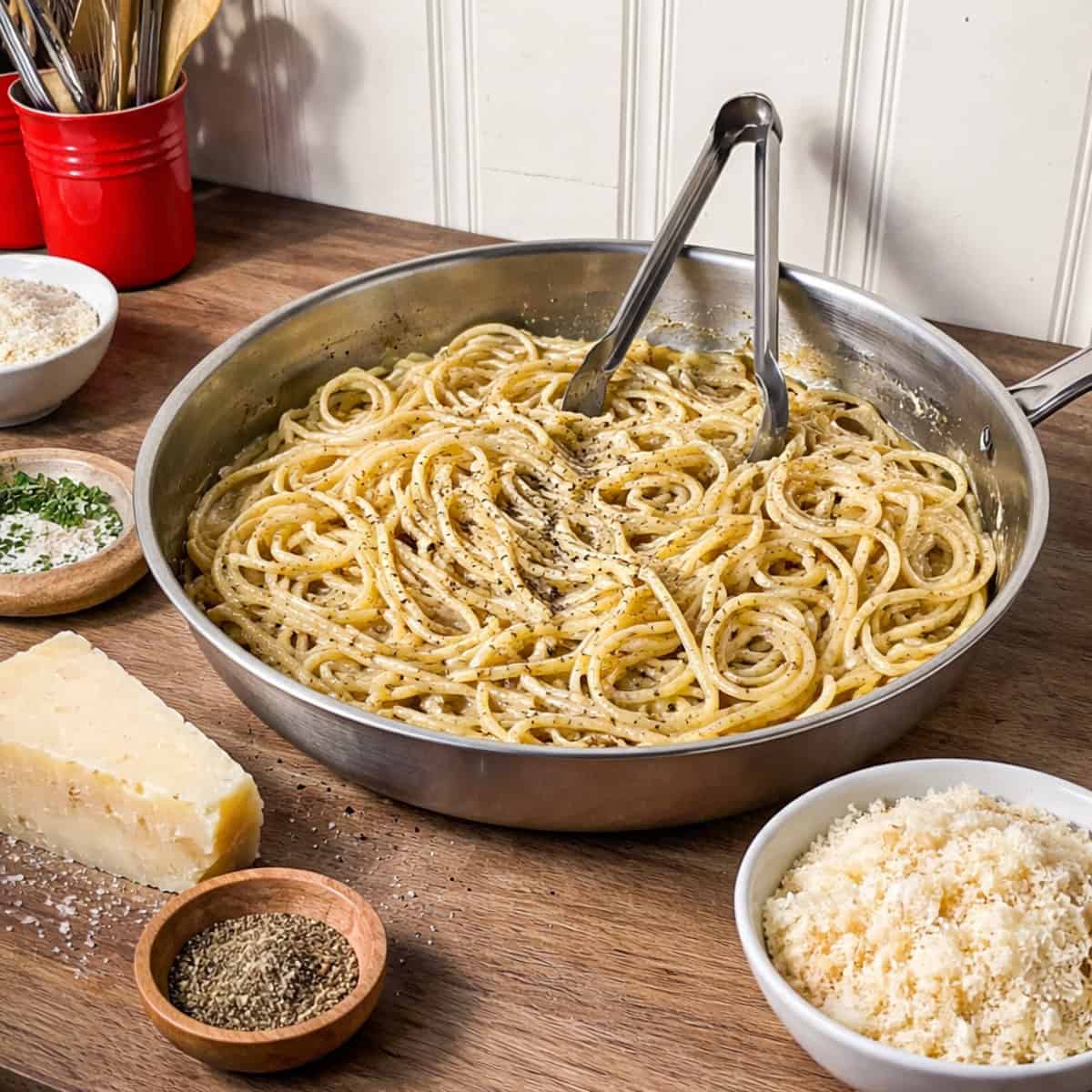
Cacio e Pepe (Roman Cheese & Pepper Pasta)
Cacio e Pepe is one of those dishes that looks simple enough to invite carelessness. Pasta, cheese, pepper — it reads like a shrug. And yet it’s one of the […]
-
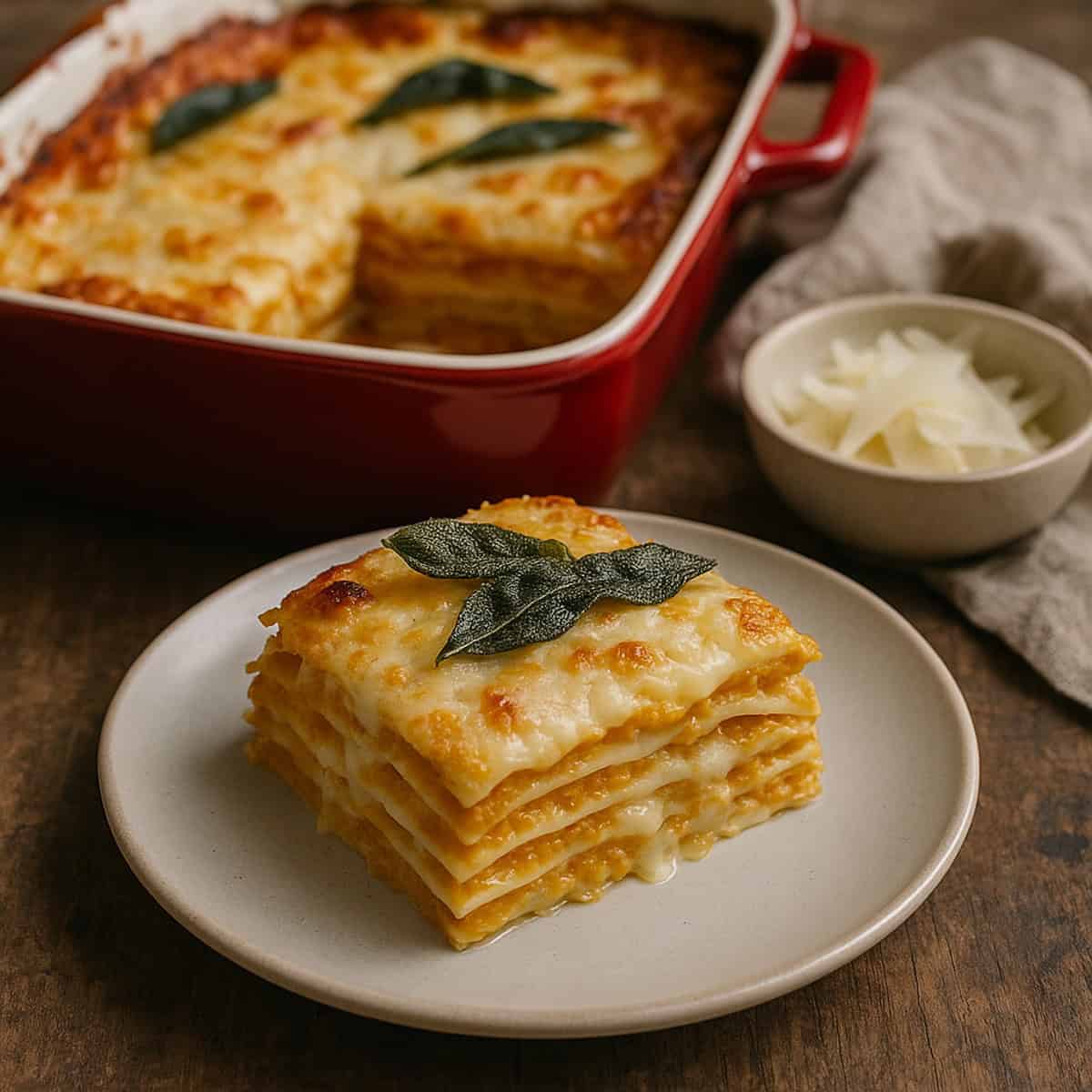
Butternut Squash Lasagna - Cozy Fall Favorite
You’ll Love This Butternut Squash Lasanga Recipe Butternut squash lasagna is a fall twist on classic Italian comfort food. Instead of a tomato-based sauce, this recipe uses roasted squash blended […]
-
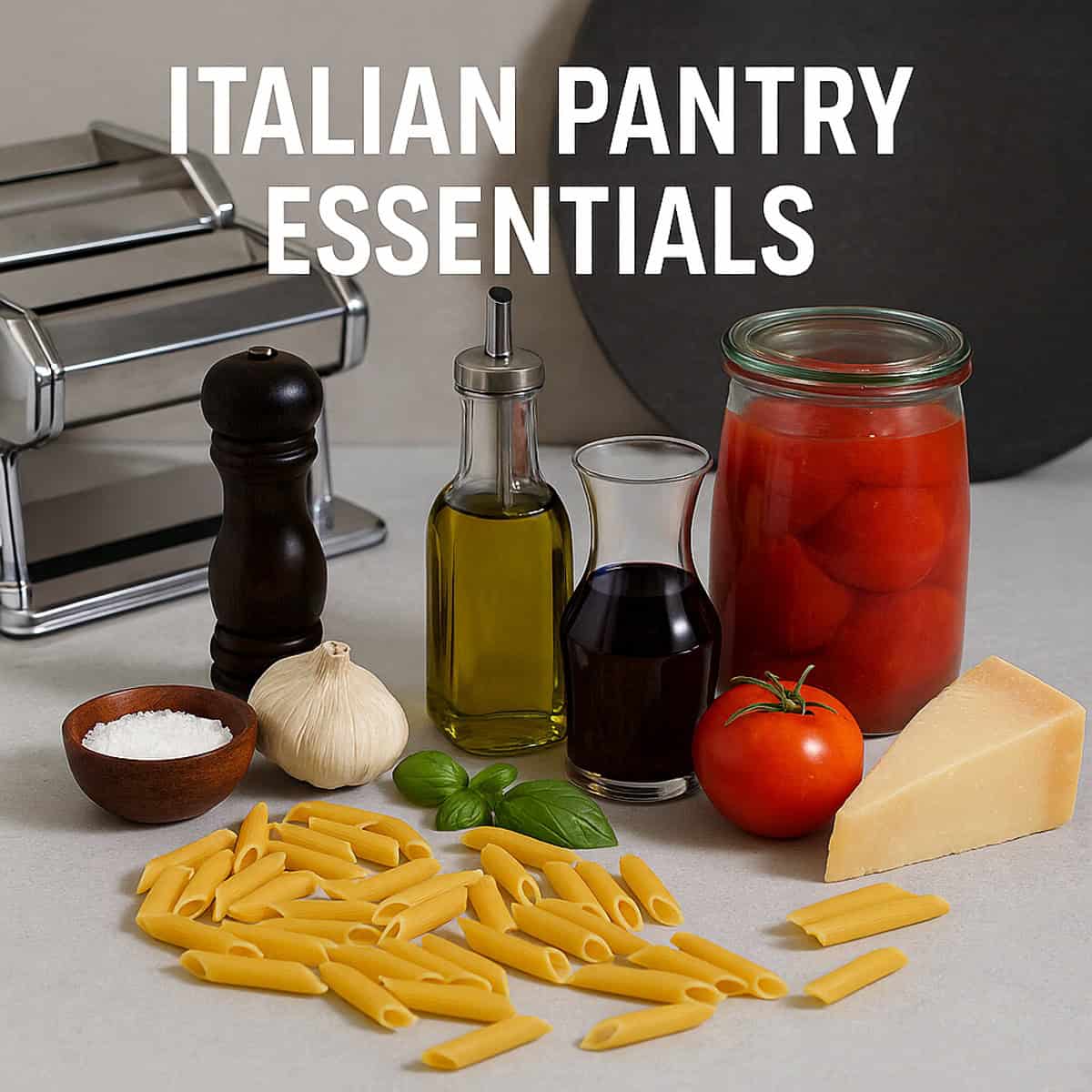
Italian Pantry Essentials | Ingredients & Tools for Authentic Italian Cooking
Building your Italian Pantry Italian cuisine is rustic yet refined, and it thrives on quality over quantity. A handful of pantry staples — good olive oil, canned and ripe tomatoes, […]
-
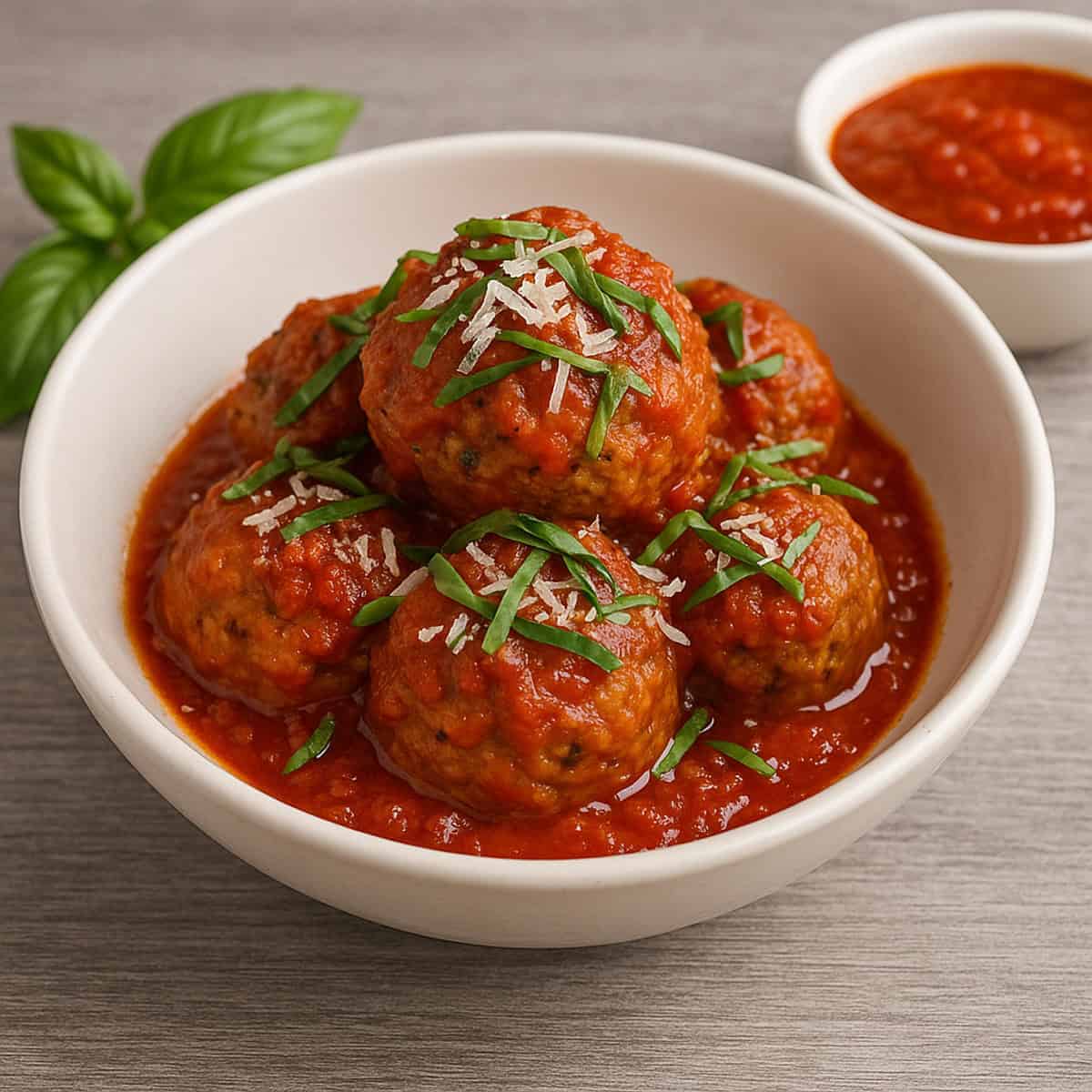
Nonna’s Secret Italian Meatballs with The Essential Italian Tomato Sauce (Sugo al Pomadoro)
What's the Secret to these Italian Meatballs? If there’s one recipe that brings family together, it’s Nonna’s Italian meatballs. Hand-rolled, simmered in rich tomato sauce, and served with love, this […]
-
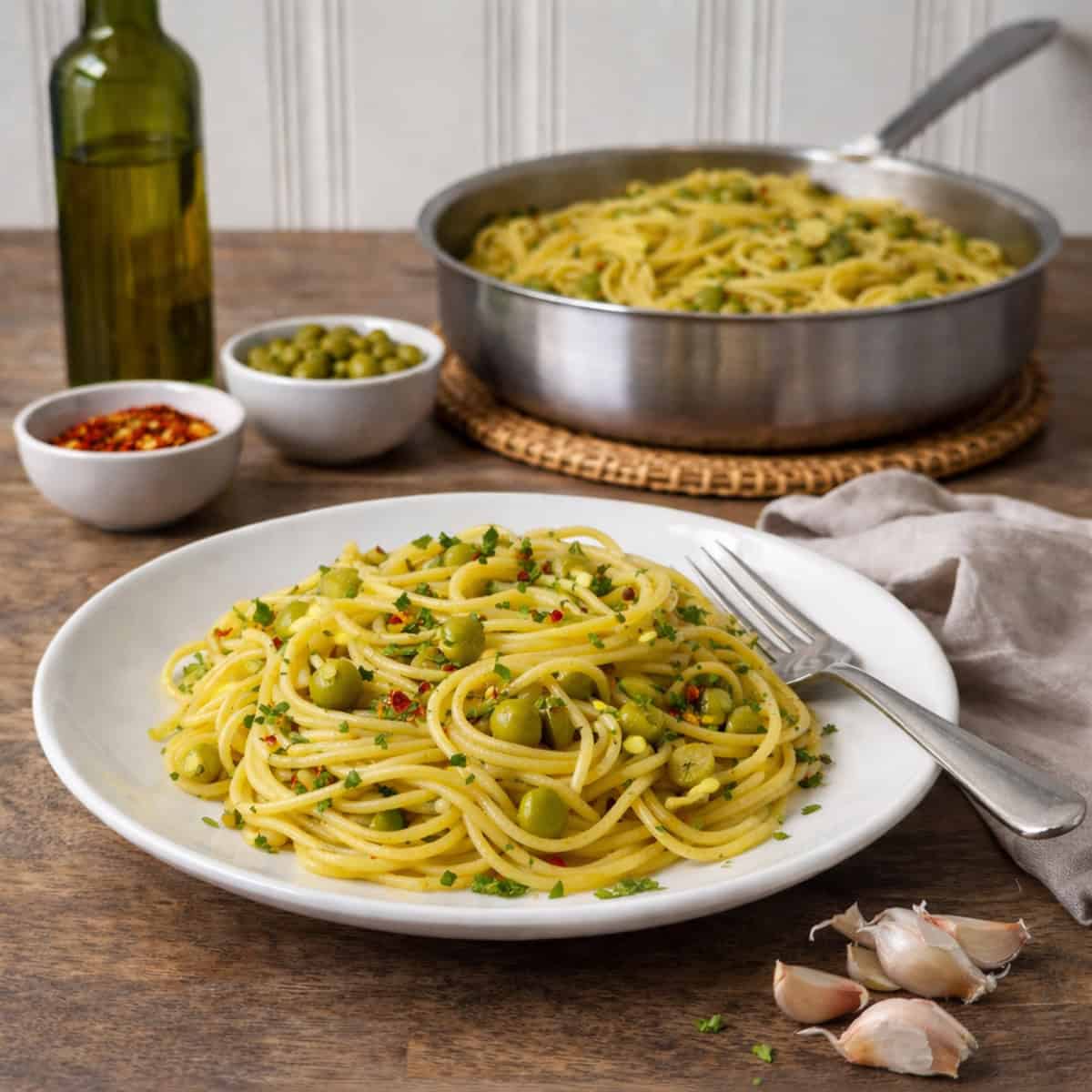
Spaghetti Aglio e Olio with Green Olives
Spaghetti Aglio e Olio with Green Olives Spaghetti aglio e olio is Roman cooking reduced to its essentials: pasta, olive oil, garlic, and restraint. A small addition of green olives […]