America at a Glance
Flavor profile: Savory • Rich • Hearty • Comfort-driven
Primary fats: Butter, animal fats, vegetable oils
Heat level: Mild to moderate (heat is optional, not foundational)
Signature ingredients: Beef, poultry, potatoes, corn, wheat, dairy
Texture focus: Crisp-tender contrast, creamy interiors, juicy proteins
Cooking style: Practical, scalable, built to feed groups
Comfort, Diversity & Regional Classics
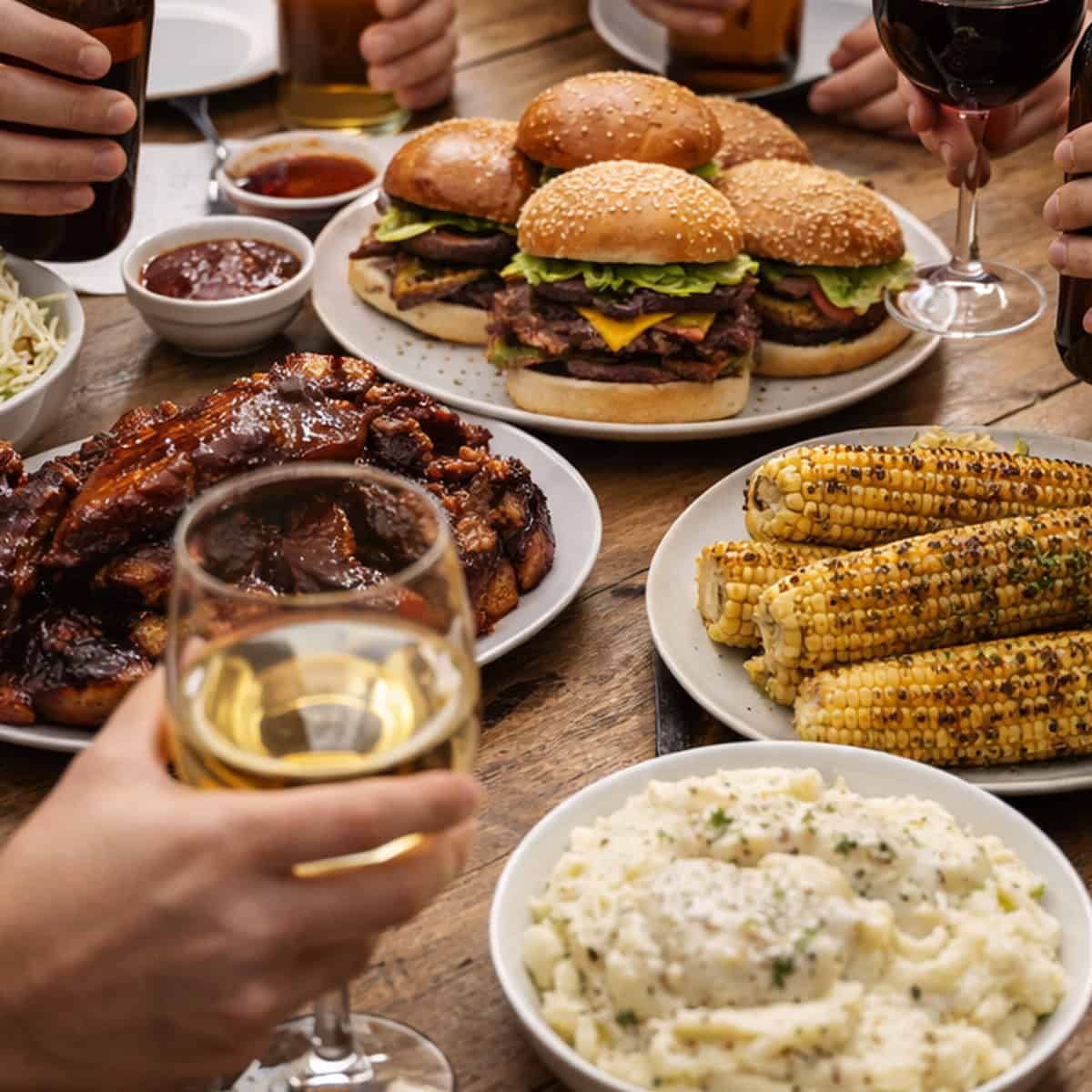
American food isn't built on a single tradition, but on many traditions sharing the same table.
Backyard grills smoking in summer, cast-iron skillets on Southern stoves, New England seafood shacks, diners serving comfort classics, and immigrant kitchens shaping generations of family recipes — American cooking is less about strict rules and more about adaptation.
Flavors change dramatically from region to region, yet the guiding idea remains constant: cook generously, use what is available, and create food people want to gather around.
The Core Idea
American cooking is built on three principles:
Abundance
Browning for flavor
Reliability over precision
Master those, and you can cook most American dishes without strict recipes.
Why American Food Tastes So Distinct
American cuisine prioritizes comfort and familiarity. Rather than highlighting a single ingredient, many dishes combine proteins, starches, and fats to create fullness and balance on one plate.
Flavor comes less from spice complexity and more from caramelization, salt, fat, and umami-rich ingredients.
More components don’t dilute the dish — they often define it.
How American Meals Are Structured
Traditional meals emphasize completeness rather than progression. Everything arrives together so the diner can combine flavors freely.
Protein → Starch → Vegetable → Sauce/Gravy → Bread → Dessert
This structure explains why American meals feel substantial and satisfying even when simple.
Regional Patterns: A Patchwork Cuisine
American food changes dramatically by geography, immigration history, and agriculture.
Northeast
Seafood, dairy, braises, baked dishes: Lobster rolls, Clam Chowder, Maryland Crab Cakes, Boston Baked Neans, and Boston Cream Pie,
South
Frying, slow cooking, pork, greens, corn-based foods : Fried Chicken, Shrimp and Grits, chicken and Dumplings, Biscuits and Gravy and Gumbo.
Midwest
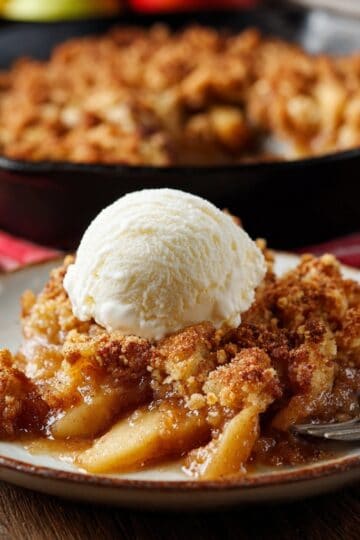
Casseroles, roasts, dairy-rich dishes, hearty grains: Pot Roast, Tator ToT Hot Dish, Chicken Fried Steak and Apple Crisp
West
Grilling, fresh produce : Grilled Salmon, Fish Tacos, Chioppino, Frendh Dip and Peach Cobbler
Southwest
Mexican influence, bold flavors :Green Chile Stew, Enchiladas, Chile Relleno, Mexican chocolate Cake
Rather than a single tradition, American cooking is a mosaic of regional adaptations.
Core Techniques You’ll See Everywhere
American cooking relies on methods that maximize flavor while remaining practical.
• Searing and roasting for deep browning
• Frying for crisp texture
• Slow cooking tougher cuts until tender
• Baking casseroles and breads
• Grilling over direct heat
• Thickening with starches or reductions
• Finishing with butter, gravy, or cheese
The American Pantry in One Sentence
Staples designed for flexibility, shelf life, and feeding people quickly.
Flour, sugar, dairy, potatoes, onions, canned goods, beans, grains, oils, and frozen vegetables form the backbone of everyday cooking.
Restaurant American vs. Everyday American
Restaurant versions often emphasize indulgence, portion size, and visual impact. Home cooking focuses on efficiency, affordability, and repeatability.
Many classic dishes were designed to stretch ingredients while still feeling generous.
Why Browning Matters So Much
American recipes frequently hinge on developing flavor through heat:
Meats are seared or roasted until deeply browned
Vegetables are cooked until sweet and softened
Baked goods rely on golden crusts for flavor
Gravies capture browned bits for richness
Without browning, dishes can taste flat even if seasoned correctly.
A Simple Way to Judge Your Results
If the dish feels comforting, satisfying, and clearly savory — you’re on track.
If it tastes bland, watery, or thin, it likely needs more seasoning, reduction, or caramelization.