
Cacio e Pepe is one of those dishes that looks simple enough to invite carelessness. Pasta, cheese, pepper — it reads like a shrug. And yet it’s one of the fastest ways to expose whether someone understands heat, timing, and restraint.
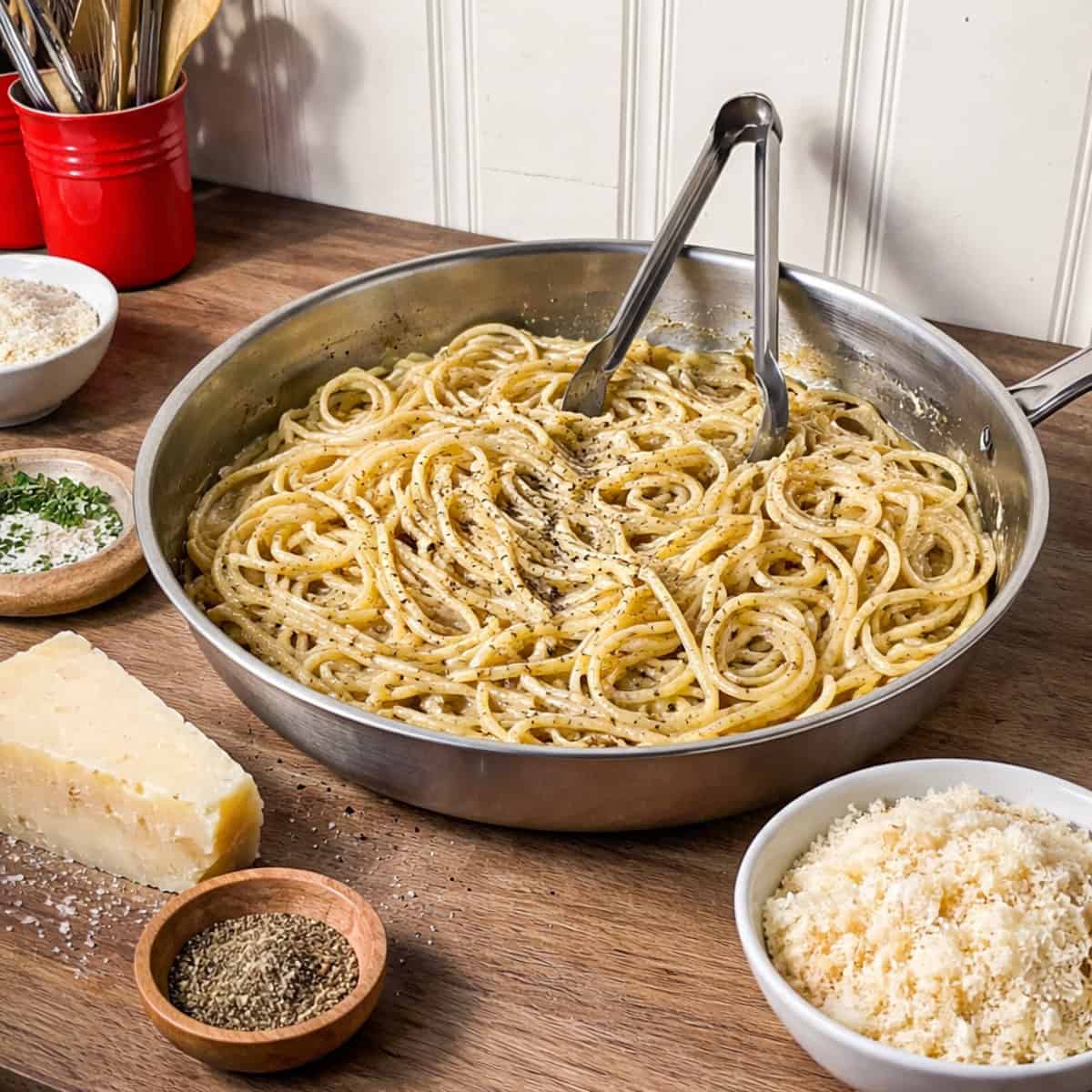
There’s no cream here. No rescue sauce waiting in the wings. What you’re building is an emulsion, held together by starch, aged cheese, and attention. It’s not dramatic cooking. It’s disciplined cooking.
This version reflects how cooks actually work. A small amount of butter is used at the beginning, not to soften the dish, but to gently bloom the pepper. A blend of Pecorino and Parmigiano keeps the flavor sharp while improving melt behavior. And the pasta is finished in a wide, rounded sauté pan — the kind used in Rome — where movement keeps the sauce alive and corners don’t sabotage the work.
When it comes together, the sauce clings calmly to the pasta. It doesn’t slide. It doesn’t pool. It looks settled, like it knows it belongs there.
Ingredient Story (Why These Matter)
Pasta (Tonnarelli or Spaghetti)
Long pasta earns its place here. You need surface area and friction to carry the sauce. Tonnarelli is traditional; spaghetti is practical. Short shapes don’t give the emulsion anywhere to live, and this is not the dish to ask them to try.
Pecorino Romano & Parmigiano Reggiano (2:1 Ratio)
Pecorino brings the bite and salinity that define the dish, but it’s unforgiving. Parmigiano melts more willingly. Using two-thirds Pecorino and one-third Parmigiano keeps the character intact while giving the sauce a better chance of behaving.
This isn’t compromise. It’s knowing the material.
Black Pepper
Freshly cracked, always. Pepper isn’t garnish here — it’s structure. You should smell it before the cheese ever goes in.
Butter
Used briefly and deliberately. Butter carries pepper aromatics better than dry heat and softens bitterness without turning the dish into a butter sauce. It does its job and gets out of the way.
Pasta Water
This is the sauce. Its starch is what binds everything together. If the emulsion breaks, this is the first place to look.
The Pan (Wide, Rounded Sauté / Pasta Pan)
In Rome, Cacio e Pepe is finished in wide pans with gently rounded sides, not straight-edged skillets. The curve matters.
Rounded sides:
- Keep the sauce moving
- Prevent cheese from overheating in corners
- Encourage starch, fat, and cheese to fold back into themselves
You’re not tossing aggressively. You’re guiding the sauce into cooperation.
Wine Pairing
Cacio e pepe is deceptively simple: cheese, pepper, pasta water. The sauce is delicate, saline, and easily overwhelmed. The wine has to tread lightly.
In Rome, a chilled Frascati Superiore or Malvasia Puntinata works best—dry, high in acidity, and neutral enough to respect the pecorino without turning sharp or metallic.
If you want a little more structure, Verdicchio dei Castelli di Jesi brings mineral tension and grip without overpowering the sauce. It handles the pepper well and keeps the dish feeling precise rather than heavy.
Red wine is risky here. If you go that route, keep it very light and slightly chilled—Cesanese at most. Avoid tannin and oak entirely; they clash with cheese and exaggerate bitterness.
When in doubt, think refreshment, not contrast. This dish rewards restraint from everyone at the table, including the wine.
Cacio e Pepe (Roman Cheese & Pepper Pasta)

Ingredients
Ingredients
- 12 oz dried tonnarelli or spaghetti
- 1 cup finely grated Pecorino Romano
- ½ cup finely grated Parmigiano Reggiano
- 2 teaspoon freshly cracked black pepper
- 1 tablespoon unsalted butter
- 1½ –2 cups hot reserved pasta water as needed
- Salt for pasta water only
Instructions
Instructions
- Bring a pot of well-salted water to a boil. Cook pasta until just al dente. Reserve at least 2 cups of pasta water.
- In a wide, rounded sauté or pasta pan over medium heat, melt butter until foamy but not browned.
- Add cracked black pepper and cook briefly, about 30 seconds, until fragrant.
- Add ½ cup hot pasta water to bloom the pepper; reduce heat to low.
- Transfer pasta directly into the pan and toss gently to coat.
- Remove the pan from heat. Add a small ladle of pasta water and begin stirring.
- Gradually add the cheese mixture, stirring constantly to form a smooth emulsion.
- Add more pasta water as needed until the sauce is glossy and cohesive.
- Taste and adjust only if necessary. Serve immediately.
Notes
Technique Spotlight: Emulsion Is Discipline
Cacio e Pepe doesn’t fail because it’s complicated. It fails because it doesn’t tolerate rushing.
Aged cheeses don’t melt like butter — they emulsify. Too much heat, or a pan that traps cheese in corners, and the proteins seize. The sauce breaks, and there’s no graceful recovery.
What helps:
- Hot (not boiling) pasta water
- Removing the pan from heat before adding cheese
- Constant, gentle movement
- A rounded pan that keeps the sauce circulating
The cheese blend improves forgiveness, but the technique still matters.
Balance Points
- Sauce too thick → add pasta water, not oil
- Sauce too salty → dilute with water, never more cheese
- Grainy texture → pan too hot or cheese overheated
If the sauce breaks repeatedly, it’s rarely the recipe. It’s the heat, the pan, or both.
What Can Go Wrong
- Clumpy sauce: excess heat or straight-sided pan
- Watery sauce: insufficient starch in pasta water
- Flat flavor: pepper rushed or under-bloomed
This dish doesn’t scold. It just tells the truth.
Serving & Timing
Serve immediately. This is not a dish that waits while you fuss. A warm bowl helps. Attention helps more.
Table Itinerary: How to Serve Cacio e Pepe
Cacio e Pepe works best as part of a quiet, disciplined table. This isn’t a dish that wants competition — it wants support. The goal is contrast without clutter, letting the pasta stay central while everything else does its job and steps aside.
To Start (Light, Acidic, Minimal)
- Shaved fennel salad with lemon and olive oil
- Arugula salad with Parmigiano and cracked pepper
- Marinated artichokes with parsley and garlic
These clear the palate without stealing attention.
Alongside (Optional, Choose One)
- Roman-style zucchini with olive oil and mint
- Sautéed bitter greens (escarole or dandelion) with garlic
Vegetables should be bitter or clean — never sweet.
To Finish (Keep It Spare)
- Fresh citrus with olive oil and sea salt
- Lightly poached pears or apples
No heavy desserts. Let the meal end the way it began.
Wine (If You Pour)
- Dry Frascati or other Lazio white
- Light-bodied Italian red served cool
Nothing oaky. Nothing loud.
Bread Rule
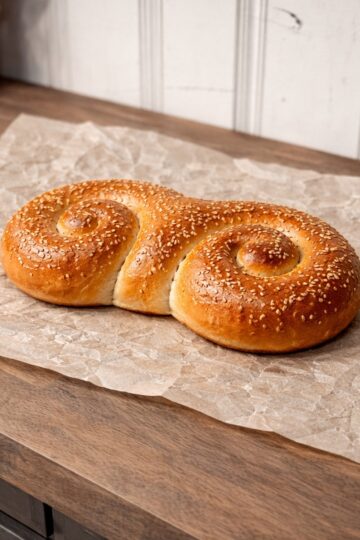
If bread is on the table, make it plain and crusty — and serve it after the pasta, for mopping, not distraction.
Comments
No Comments