
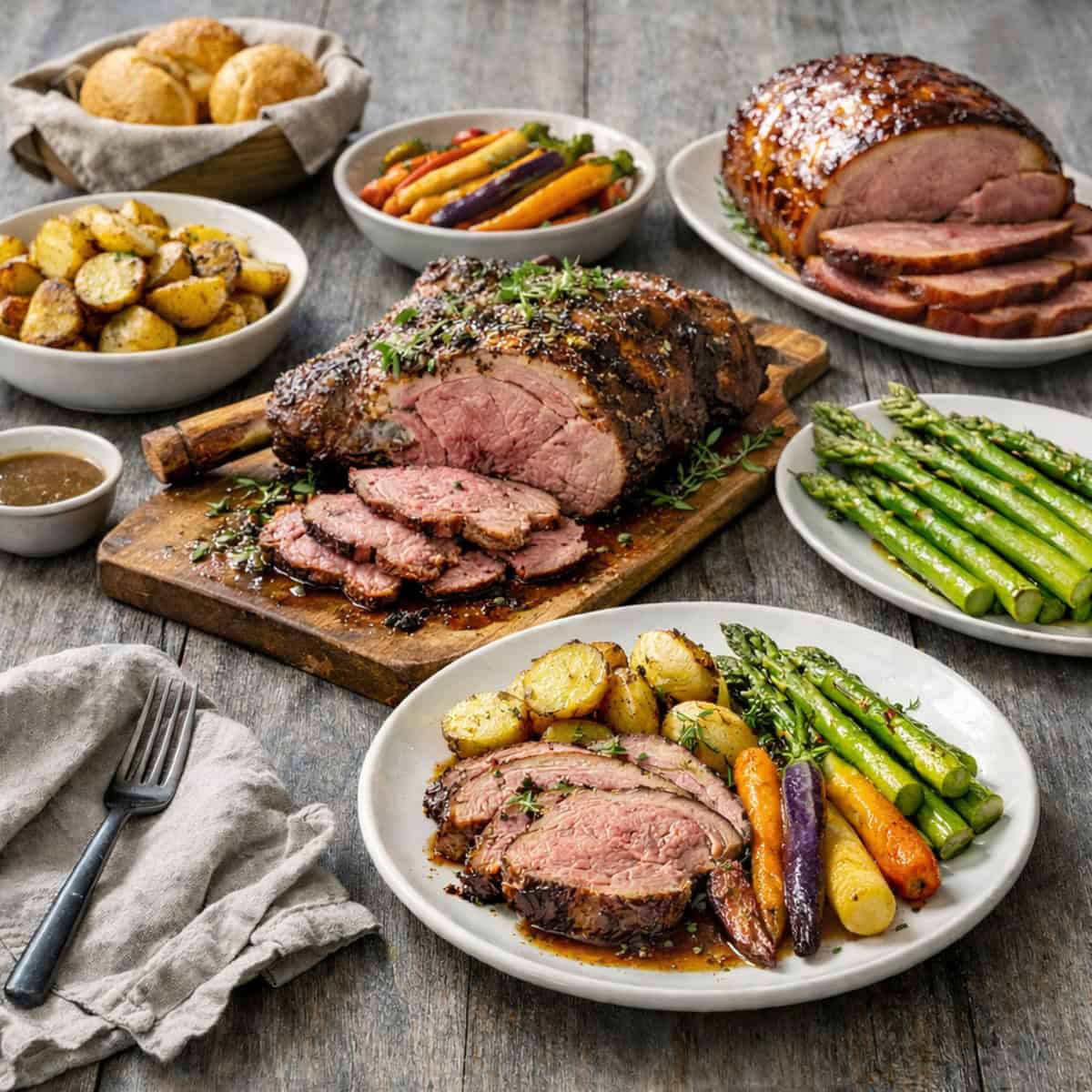
Easter Dinner: What to Cook and Why It Works
Easter is one of the most recognizable food holidays—and one of the most misunderstood meals of the year.
It is a Christian holiday marking the resurrection of Jesus Christ, widely associated with themes of renewal and new life. It also aligns with the arrival of spring, which is reflected in the ingredients and structure of the meal.
The table should feel lighter, brighter, and deliberate.
Jump to:
What Defines an Easter Meal
Easter isn’t about variety. It’s about structure.
- A single roast, properly cooked
- Vegetables that still have life
- A starch that supports, not dominates
- Acid to keep everything in check
Lose that balance, and the table collapses.
The Centerpiece: Lamb vs. Ham
This is the decision. Make it early and build around it.
Roast lamb
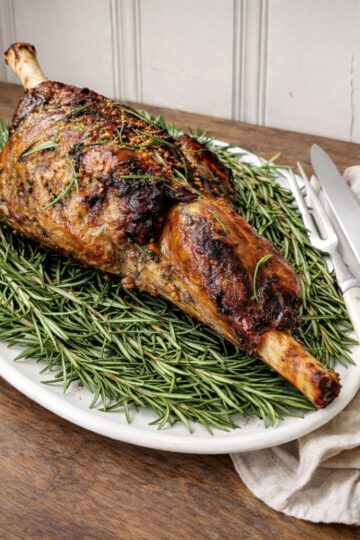
Spring Leg of Lamb is Herb-driven, slightly assertive, and rooted in tradition.
This is the cleaner table—olive oil, garlic, rosemary, heat.
Baked ham
Familiar, practical, and built for a crowd. The risk is sugar—most versions are over-glazed and under-balanced.
Store-Bought vs. Home-Cured
Most people are working with a store-bought ham. That’s fine—but you need to know what you’re holding.
Store-Bought (City Ham)
- Already cured and usually smoked
- Often pre-cooked
- Tends to be water-injected and lightly sweet
Your job is not to “cook” it—it’s to heat it properly and control the glaze.
Keep it tight. Add acidity. Don’t drown it in sugar.
Home-Cured (or Butcher-Sourced)
- Less water, more structure
- Deeper pork flavor
- Requires more control and planning
This is a better product—but it demands attention:
- Proper curing time
- Controlled cooking
- Balanced seasoning
The Rule
If you’re using store-bought ham:
→ Treat it like a finished product that needs refinement, not rescue.
If you’re curing your own:
→ Build flavor carefully and keep everything else restrained.
What to watch out for:
- Double-sweetening an already sweet ham
- Overcooking it until it dries
- Ignoring acid entirely
Ham should be savory first, sweet second.
How to Build the Easter Table
Easter works best when it’s served family-style—food placed at the center, passed, and shared. The goal is not precision plating. It’s flow.
1. Anchor the Table with the Roast
Everything starts here.
- Roast lamb or baked ham
- Carved just before serving or at the table
- Placed centrally, slightly elevated if possible
This is the visual and structural centerpiece. If this is right, the table already works.
2. Frame It with Vegetables
Think in color and contrast, not quantity.
- Green → asparagus, peas
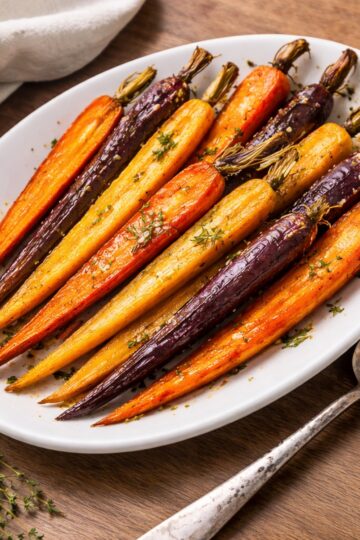
- Orange → carrots
- Optional → a light salad for freshness
Use 2–3 vegetable dishes max. More than that and the table gets crowded fast.
Place them around the roast, not scattered randomly.
3. Add One Starch, Not Three
Pick one:
- Crispy roasted potatoes
- or simple mashed potatoes
That’s it.
Multiple starches dull the table and weigh everything down.
4. Build in Acid and Relief
This is what keeps the meal from feeling heavy.
- Lemon wedges
- A light vinaigrette
- Mustard alongside ham
These don’t need their own spotlight—but they need to be present.
5. Bread & Bake (Hot Cross Buns)
Hot cross bun is one of the few Easter foods that crosses cultures—and one of the most often done poorly.
At its core, it’s a lightly enriched bread, spiced and studded with dried fruit, marked with a cross before baking.
When it’s done properly, it’s soft, aromatic, and balanced.
When it’s wrong, it’s dense, overly sweet, and closer to cake than bread.
Serve them:
- slightly warm
- with butter or plain
- alongside the table, not as dessert
6. Keep the Table Physically Clean
This is where most people lose control.
- Leave space between dishes
- Use serving pieces that aren’t oversized
- Avoid overcrowding with décor
The food should lead—not fight for space.
7. Timing the Table
Don’t put everything down at once.
- Roast rests → vegetables finish
- Hot food hits the table together
- Dessert comes later, not pre-set
The table should evolve, not overwhelm.
If you want this table to run smoothly—not just look good—download our Easter Dinner Prep Plan.
Want More Like This?
Subscribe to Passport Kitchen for seasonal menus, technique breakdowns, and full dinner plans.
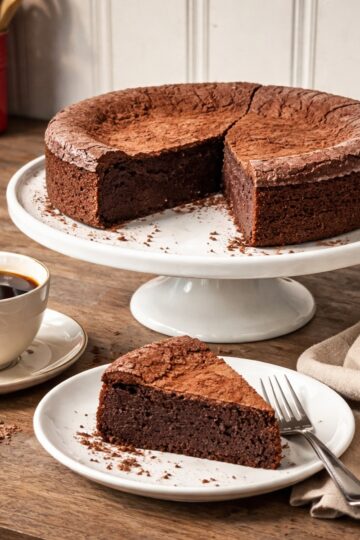
Dessert: Carrot Cake
Carrot cake belongs on this table—but only if it’s handled correctly.
At its core, it’s a moisture-driven cake built on carrots, spice, and structure—not sugar.
When it’s done properly, it’s balanced, lightly spiced, and just sweet enough, with a tangy cream cheese finish that cuts through richness.
When it’s wrong, it’s dense, overly sweet, and weighed down with frosting.
The Rule
Carrot cake should feel like a finish—not a second meal.
What Matters
- Proper moisture from carrots, not oil overload
- Controlled spice (cinnamon, nutmeg)
- Balanced frosting—not thick, not overly sweet
This is where the meal ends—clean, not heavy.
Technique Intelligence
Technique: Coordinating an Easter Meal
Easter cooking is about managing heat, timing, and contrast across a mixed menu.
1. Primary Roast — The Anchor (Lamb or Ham)
This sets your oven and your timing.
Lamb: high heat start → lower to finish → rest
Ham: covered, low heat → glaze at the end
Your the oven tempture and time drives everything else works around it. If you have two ovens it is much simpler.
2. Secondary Roast — Vegetables & Potatoes
Same technique, different role.
- High heat (400°F+)
- Keep pans uncrowded
- Build color, then finish with acid or herbs
👉 Rule: This is where depth and texture come from
3. Blanching & Refreshing — Green Vegetables
Your contrast and reset.
- Fast cook in salted water
- Shock, then reheat briefly
👉 Rule: Bright, crisp, alive—not soft and tired
4. Baking — Structure & Finish
(Casseroles, Hot Cross Buns, Carrot Cake)
One category. Different timing.
- Casseroles: bake ahead, reheat covered
- Buns: bake day-of or rewarm
- Carrot cake: bake day before
5. Gentle Reheating & Holding
Protect what’s already done.
- Warm without drying
- Hold without overcooking
Pull early. Taste constantly. Adjust.
Suggested Easter Menu
- Roast leg of Lamb
- Baked Ham (Refined Glaze)
- Honey Roasted Rainbow Carrots
- Asparagus with Lemon
- Crispy Roasted Potatoes
- Broccholi Cassarole
- Hot Cross Buns
- Classic Carrot Cake
Each one should stand alone. Together, they define the table.
A Note on the Classic Casserole
For many American tables, Easter isn’t complete without a casserole—typically Green bean casserole or a broccoli version.
These dishes are familiar, nostalgic, and built for a crowd. They bring comfort to the table—but they also come with a problem: they tend to be heavy, creamy, and one-dimensional. Treat it as one of your vegetable components, not an extra. A casserole should support the table—not define it.
Comments
No Comments