
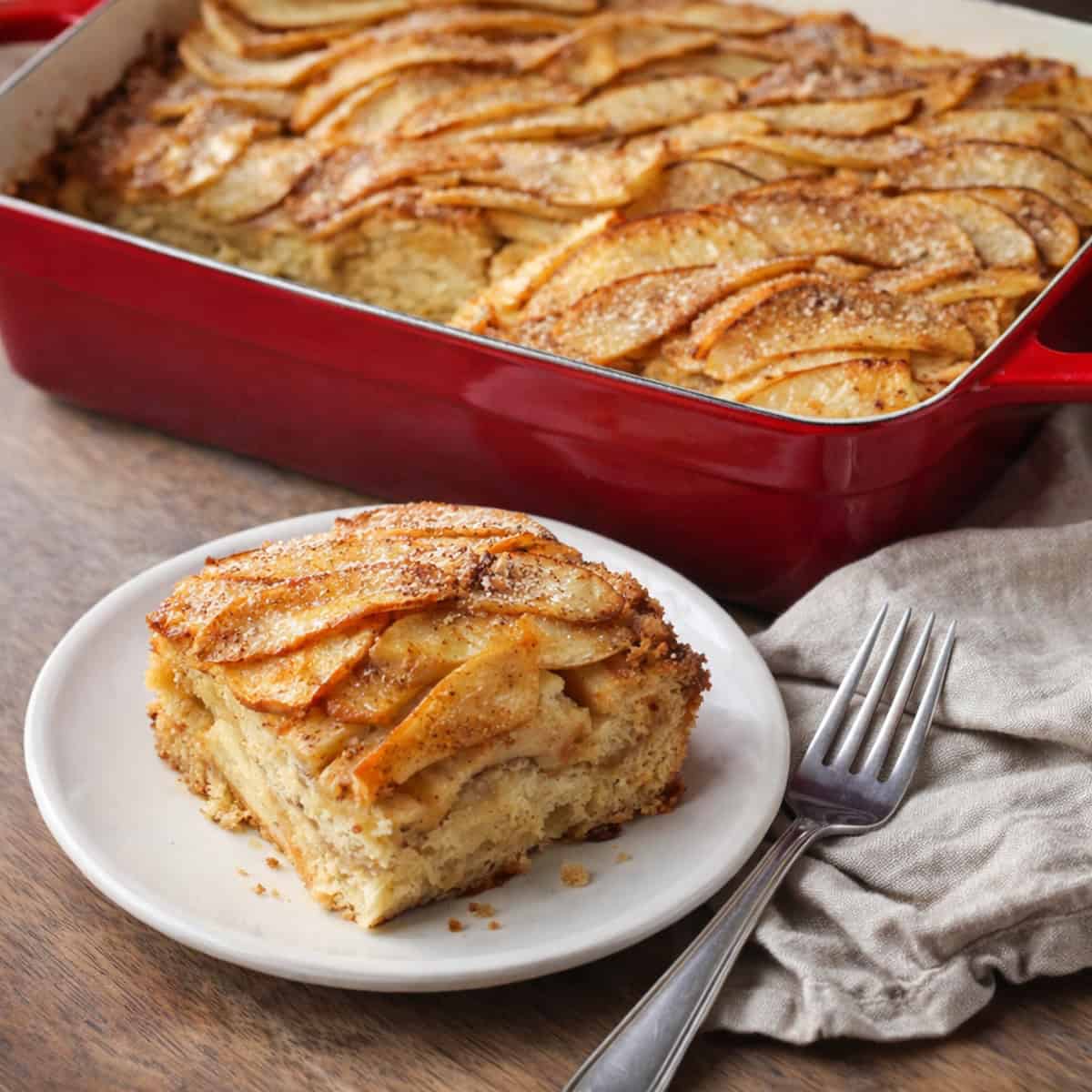
The house is quiet, but not for long.
Coffee is already on. Light is coming through the windows just enough to make the kitchen feel awake. There’s a moment here — before plates, before voices — where everything feels calm and a little bit special.
In the oven, something steady is doing the work for you. Apples, butter, bread, custard — nothing complicated, just done properly.
You’re not standing at the stove. You’re not rushing.
You’re ready.
Why Make This Dish
French toast casserole exists for one reason: to feed a table without chaos.
The difference between a forgettable version and one people go back for is structure. Bread that holds its shape. Custard that sets without turning soggy. Apples that bring both sweetness and acid.
Handled properly, this becomes something closer to a baked custard than a scoopable casserole — clean slices, soft center, crisp top.
What You’ll Be Doing
You’ll layer dried bread with thinly sliced apples, soak it in a balanced custard, and bake until the top is golden and the center is just set.
One dish. One oven. No stove management.
Technique Intelligence
Drying the Bread
Fresh bread collapses under custard. Drying it creates structure so the casserole bakes evenly and slices cleanly.
Custard Ratio
Eggs provide structure, dairy provides softness. Too much liquid leads to a soggy interior. Too little creates a dense, egg-heavy texture.
Resting the Soak
At least 30 minutes, preferably overnight. This ensures even absorption and a cohesive bake.
Controlling the Bake
The casserole is done when the top is golden and the center has a slight jiggle. Carryover heat finishes the custard without drying it out.
Working with Raw Apples (French Technique)
THE RULE
Thin slices or it fails.
WHAT ACTUALLY HAPPENS
Thick apples release water too slowly, leaving you with undercooked fruit and a broken custard.
HOW TO DO IT PROPERLY
- Slice apples very thin (⅛” or less)
- Distribute throughout the dish, not just on top
- Let them cook gently inside the custard as it bakes
This is closer to a French apple cake approach — the apples become part of the structure, not an add-in.
Ingredient Intelligence
Brioche or Challah
Rich, slightly sweet breads that absorb custard without falling apart. Day-old is ideal.
Apples (Handled Like a French Apple Cake)
The apples are sliced thin and layered directly into the casserole — no pre-sautéing.
Why this works:
- Softer, more integrated texture
- Even distribution throughout
- Cleaner apple flavor
How to do it properly:
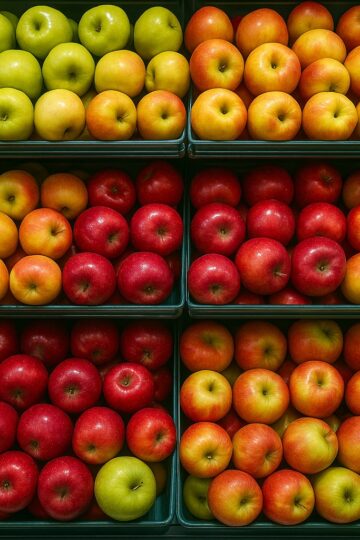
- Use Honeycrisp (structure) + Granny Smith (acid)
- Slice thin and evenly
- Toss lightly with sugar, cinnamon, and a pinch of salt
Optional: a light dusting of flour helps absorb excess moisture during baking.
Butter (This Matters More Than You Think)
Butter controls flavor, browning, and aroma — especially since the apples are not pre-cooked.
European-Style Butter (82–85% fat) — Best Choice
Lower water content means:
- Better browning
- Cleaner sauté (less steaming)
- More concentrated flavor
Cultured Butter — Best for Flavor
Slightly fermented:
- Subtle tang
- More complex finish
- Ideal for elevated brunch presentation
Standard American Butter — Acceptable
Higher water content:
- Softer flavor
- Less browning
It works, but it’s not the same result.
Bottom Line
→ Use European-style cultured butter if you want the best version of this dish.
Milk & Cream
Milk keeps the custard structured. Cream adds richness without making it heavy.
Brown Sugar
Adds depth and helps the apples soften and concentrate as they bake.
Suggested Equipment
- Baking dish (9x13 or similar)
- Mixing bowl
- Whisk
- Rubber spatula
- Chef’s knife or mandoline
- Cutting board
Table Itinerary
This is your anchor dish — everything else supports it:
- Smoked salmon or cured fish
- Light greens with vinaigrette
- Fresh berries
- Coffee + champagne
Keep it simple. Let this carry the table.
Chef Notes
- Slice apples thin — this determines texture
- Don’t overload the dish with fruit
- Let it rest after baking for clean slices
- If it tightens, loosen with warm syrup or a touch of cream
Storage
Best served fresh.
Refrigerate up to 2 days.
Reheat gently, covered.
Freezing not recommended.
Frequently Asked Questions — Apple French Toast Casserole
Can I make this overnight?
Yes — and it improves both texture and flavor.
What bread works best?
Brioche or challah. A small amount of sourdough can add structure.
Why is my casserole soggy?
Too much liquid, too many apples, or slices that are too thick.
Do I need to cook the apples first?
No — if sliced properly, they cook perfectly in the custard.
How do I know it’s done?
Golden top, slight jiggle in the center.
Apple French Toast Casserole (Make-Ahead Brunch Bake)

Equipment
- 9x13 baking dish
- Mixing bowl
- Whisk
- Rubber spatula
- Chef’s knife or mandoline
Ingredients
Base
- 1 lb brioche or challah cut into 1-inch cubes, dried
- 2½ –3 apples Honeycrisp + Granny Smith, thinly sliced (⅛” or less)
Apple Seasoning
- 2 tablespoon brown sugar
- 1 teaspoon cinnamon
- Pinch of salt
- Optional: 1 teaspoon flour for moisture control
Custard
- 6 large eggs
- 2 cups whole milk
- ½ cup heavy cream
- ⅓ cup sugar
- 1 tablespoon vanilla extract
- ½ teaspoon kosher salt
Finish
- 2 tablespoon European-style butter cubed
- Maple syrup for serving
- Powdered sugar optional
Instructions
Prepare the Bread
- Cube bread and allow it to dry out at room temperature for several hours or overnight.
- (Shortcut: bake at 300°F for 10–12 minutes to dry lightly.)
Prepare the Apples
- Slice apples very thin (⅛” or less).
- Toss with brown sugar, cinnamon, and a pinch of salt.
- Optional: add a light dusting of flour to help absorb excess moisture.
Build the Casserole
- Butter the baking dish.
- Layer bread and apples evenly, distributing apples throughout — not just on top.
- Make the Custard
- Whisk eggs, milk, cream, sugar, vanilla, and salt until fully combined.
Soak
- Pour custard evenly over the bread mixture.
- Press gently to ensure full absorption.
- Rest at least 30 minutes or cover and refrigerate overnight.
Bake
- Preheat oven to 350°F.
- Top with small cubes of butter.
- Bake 40–50 minutes until:
- Top is golden brown
- Center is just set with a slight jiggle
Rest & Serve
- Rest 10–15 minutes before serving for clean slices.
- Serve warm with maple syrup and optional powdered sugar.
Notes
Do not overload with apples; too much moisture will break the custard
Day-old or dried bread is essential for structure
Slight jiggle in center = perfect doneness
If casserole firms too much, serve with warm syrup or a splash of cream
Comments
No Comments