The Methods Behind the Comfort
American cooking prioritizes reliability, browning, and generous flavor. Techniques aim for food that feels substantial — crisp outside, tender inside, deeply caramelized rather than delecate
Most classics depend on controlling heat, moisture, and fat rather than complicated procedures. Once these patterns are understood, recipes become flexible templates that deliver comfort with whatever ingredients are on hand.
Master the control of heat, moisture, and fat, and most American dishes become variations of the same dependable framework.
American at a Glance — Technique Logic
Heat control: Moderate to high; browning is prized
Fat use: Functional and flavor-driven
Texture priority: Crisp + tender contrast
Complexity: Moderate ingredients, forgiving methods
Goal: Comfort, fullness, and reliability
Browning for Flavor (The Maillard Foundation)
Much of American flavor begins with aggressive surface browning — searing meat, grilling, roasting or toasting flour. This creates deep savory notes that define dishes from burgers to pot roast.
Crowding the pan traps steam and prevents browning. Space equals flavor.
Grilling & Barbecue
Cooking over direct or indirect heat adds smoke, char, and complexity. American barbecue often uses low heat over long periods to tenderize tough cuts while building a deeply seasones crust on the exterior.
Judgment is essential: visual cues, aroma, and touch matter more than exact timing.
Sautéing & Frying
Quick cooking in moderate-to-high heat with oil or butter develops surface browning while keeping interiors moist. Sauteing, stir-frying, shallow frying rely on hot fat and rapid evaportaion to prevent steaming.
Temperature matters: too low produces soggy food; too high burns before the interior cooks through.
Deep Frying
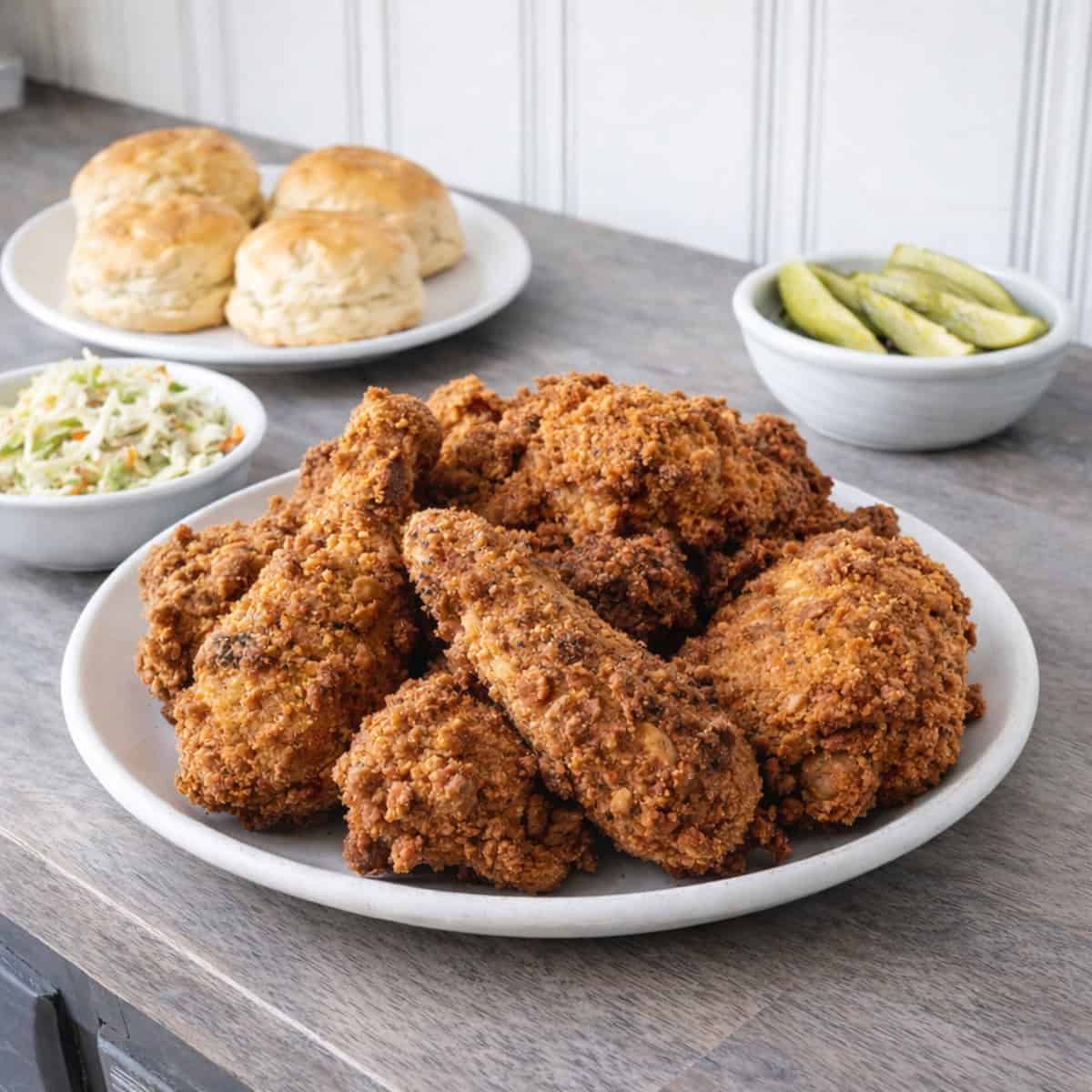
A cornerstone of American comfort cooking, deep frying immerses food in hot oil to creates a crisp exterior while sealing moisture inside. Proper frying depends on stable oil temperature and controlled moisture release.
Oil that is too cool produces greasy food; too hot scorches the extioror before the interior cooks.
Roasting & Sheet-Pan Cooking
Oven roasting concentrates flavor through browning while freeing the cook from constant attention. Vegetables, poultry, and large cuts develop caramelized surfaces and tender interiors.
High heat encourages crispness; overcrowding creates steaming instead of roasting.
Slow Cooking & Braising
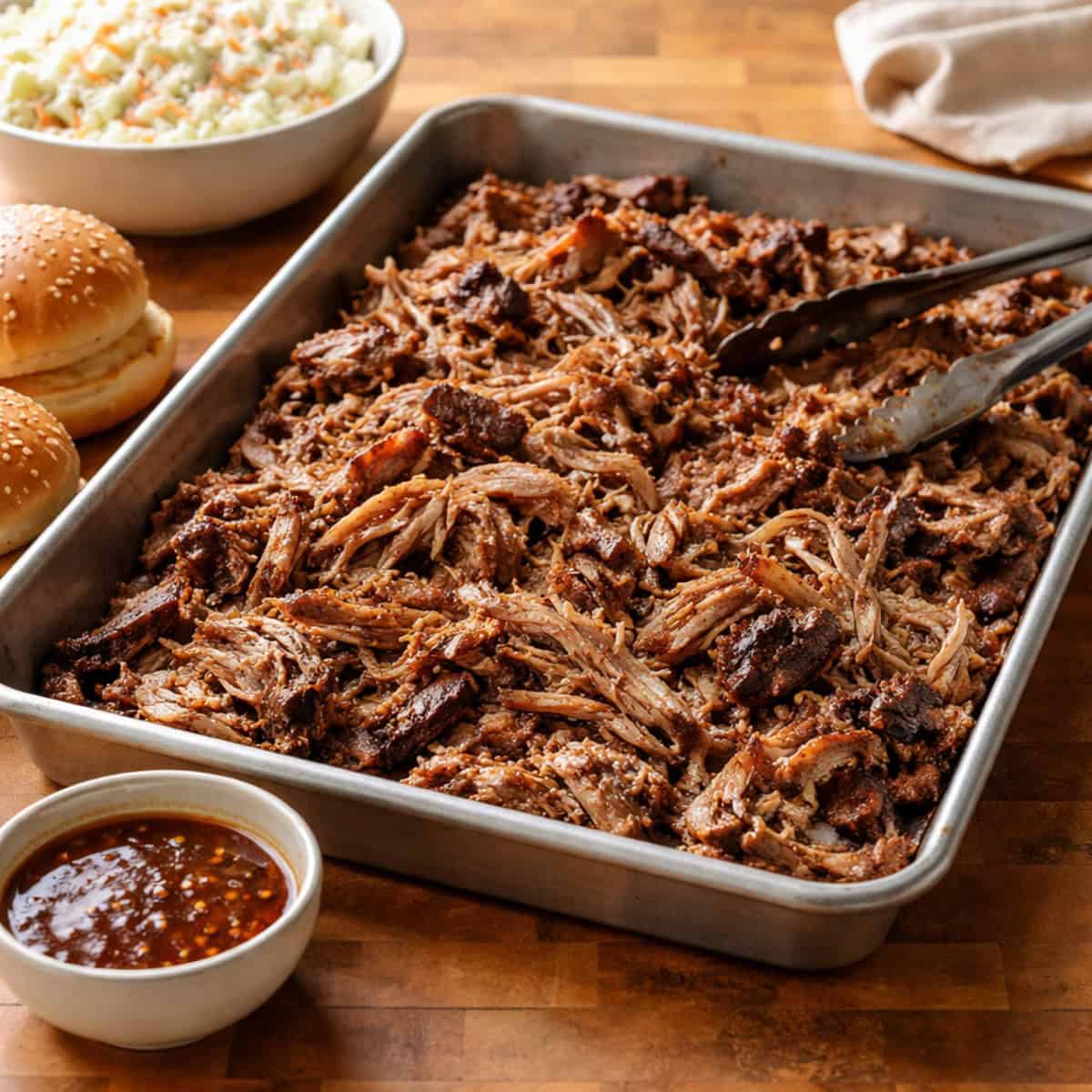
Low, steady heat transforms tough cuts into fork-tender dishes. Chili, stews, pulled pork, and pot roast rely on time more than precision.
Moisture retention is key — enough liquid to prevent drying, not so much that flavors dilute.
Baking & Quick Breads
American baking frequently relies on chemical leavening (baking powder or soda) rather than yeast. Biscuits, muffins, pancakes, and cakes depend on proper ratios and minimal overmixing.
Overworking batter develops gluten, leading to toughness instead of tenderness.
Thickening & Creaminess
Sauces, gravies, and soups are often thickened for body and comfort using:
- Roux (fat + flour)
- Cornstarch slurry
- Reduction
- Dairy enrichment
Smooth texture signals warmth and satisfaction.
Casserole Assembly
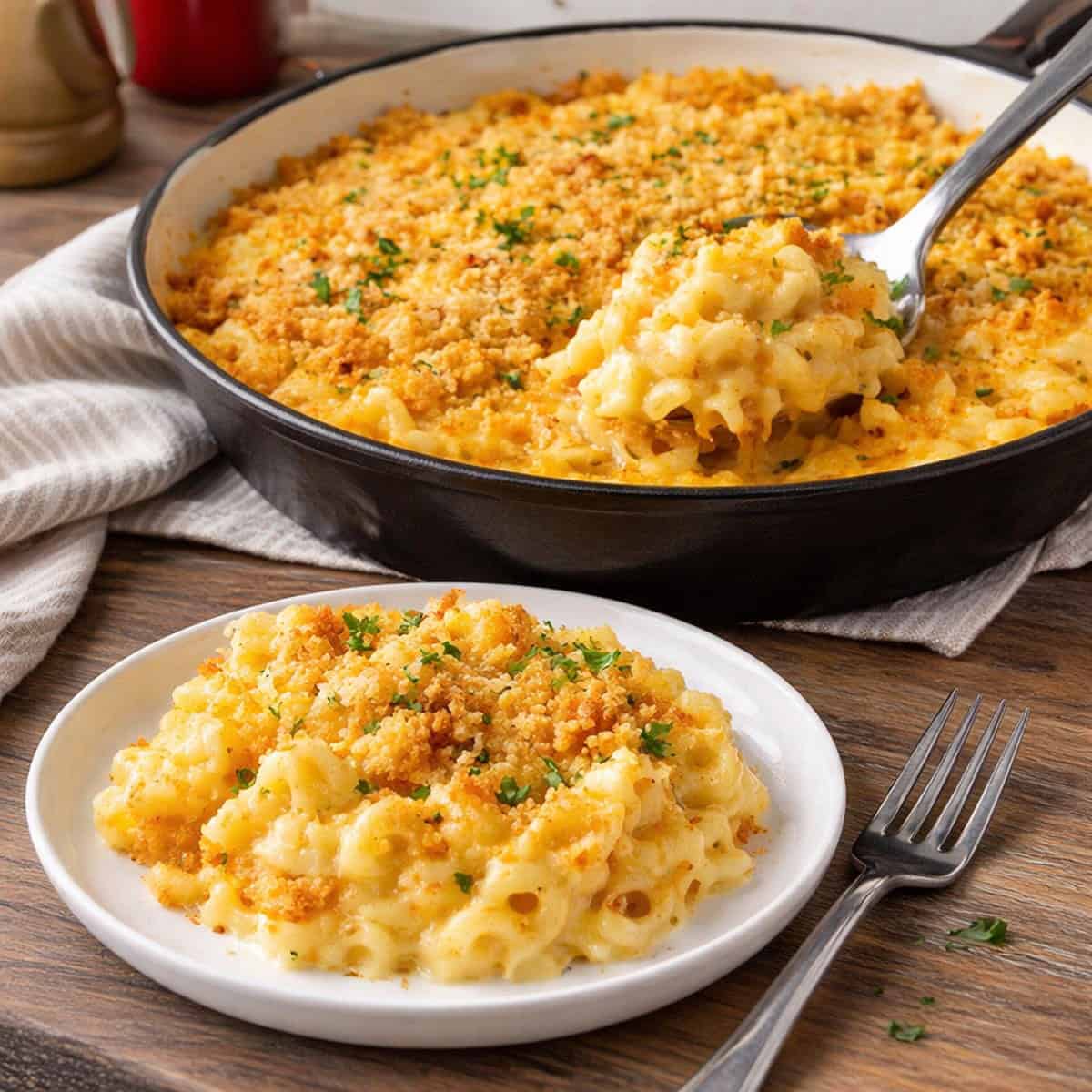
Layering ingredients and baking them together creates cohesive, crowd-friendly dishes. Moisture balance is critical — too wet becomes soupy, too dry becomes dense.
A browned top often provides the finishing texture contrast.
Finishing for Richness
American dishes are frequently completed with additions that enhance comfort and fullness:
- Butter
- Cream or milk
- Cheese
- Fresh herbs
- Acid (vinegar or citrus) to balance richness
These final touches round out flavor rather than sharpen it.
Texture Awareness
American cuisine emphasizes tactile satisfaction:
- Crispy crust + soft interior
- Creamy base + crunchy topping
- Juicy meat + charred exterior
This contrast keeps hearty dishes from feeling heavy or monotonous.
Why These Techniques Matter
American cooking is designed to be forgiving. Once you understand how browning, moisture, and heat interact, recipes become adaptable frameworks rather than strict formulas.
Technique ensures dependable results even when ingredients vary — a practical approach suited to feeding families, gatherings, and holidays alike.
-
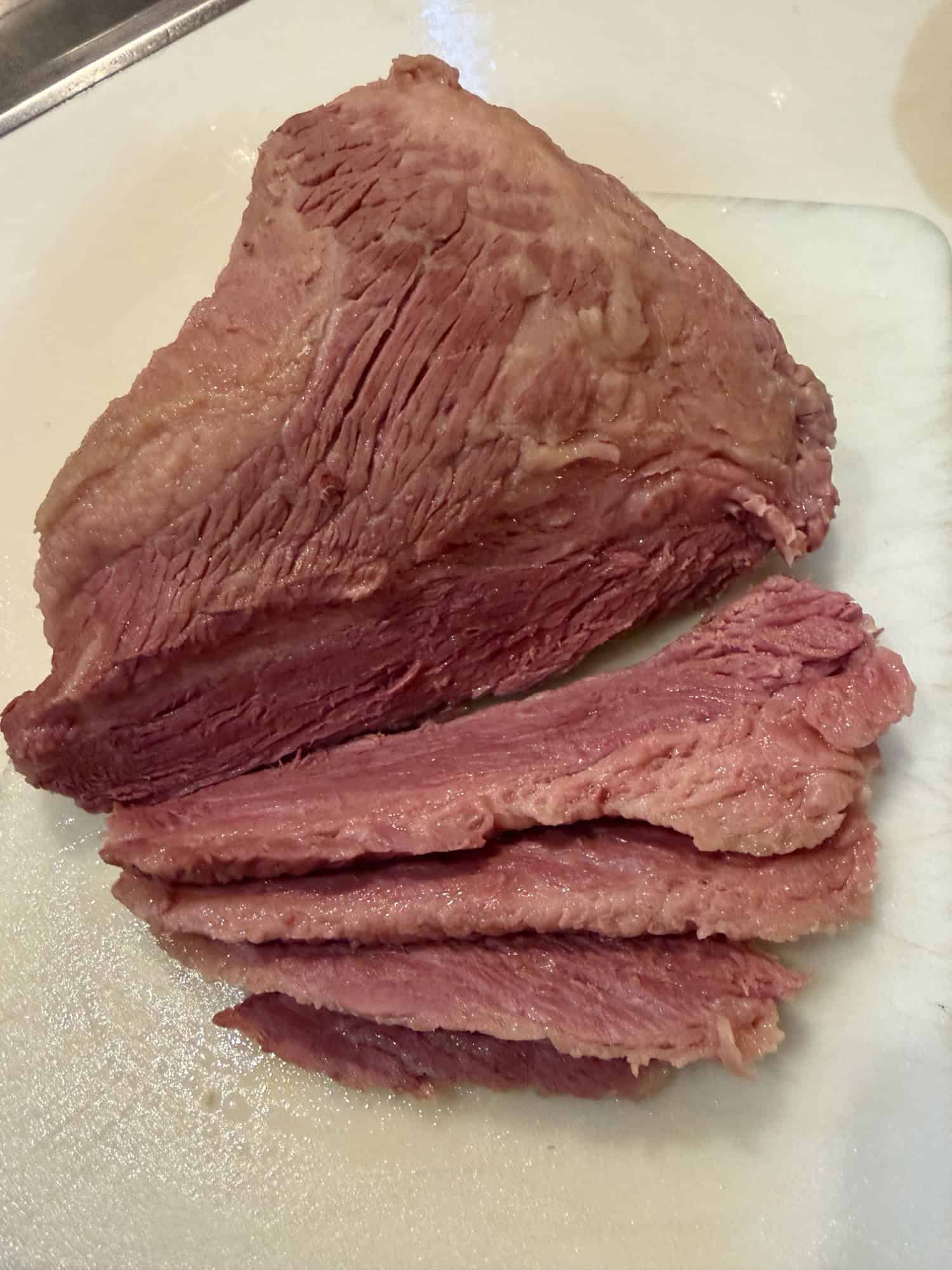
St. Patricks Day Scratch Corned Beef Timeline

Wet Cure for Flavor. Sous Vide for Control. We’re working with: One 4-pound brisket flatCure: 6 daysCook: 155°F for 12 hours Day 1 — Build the Cure Properly Don’t dump […]
-
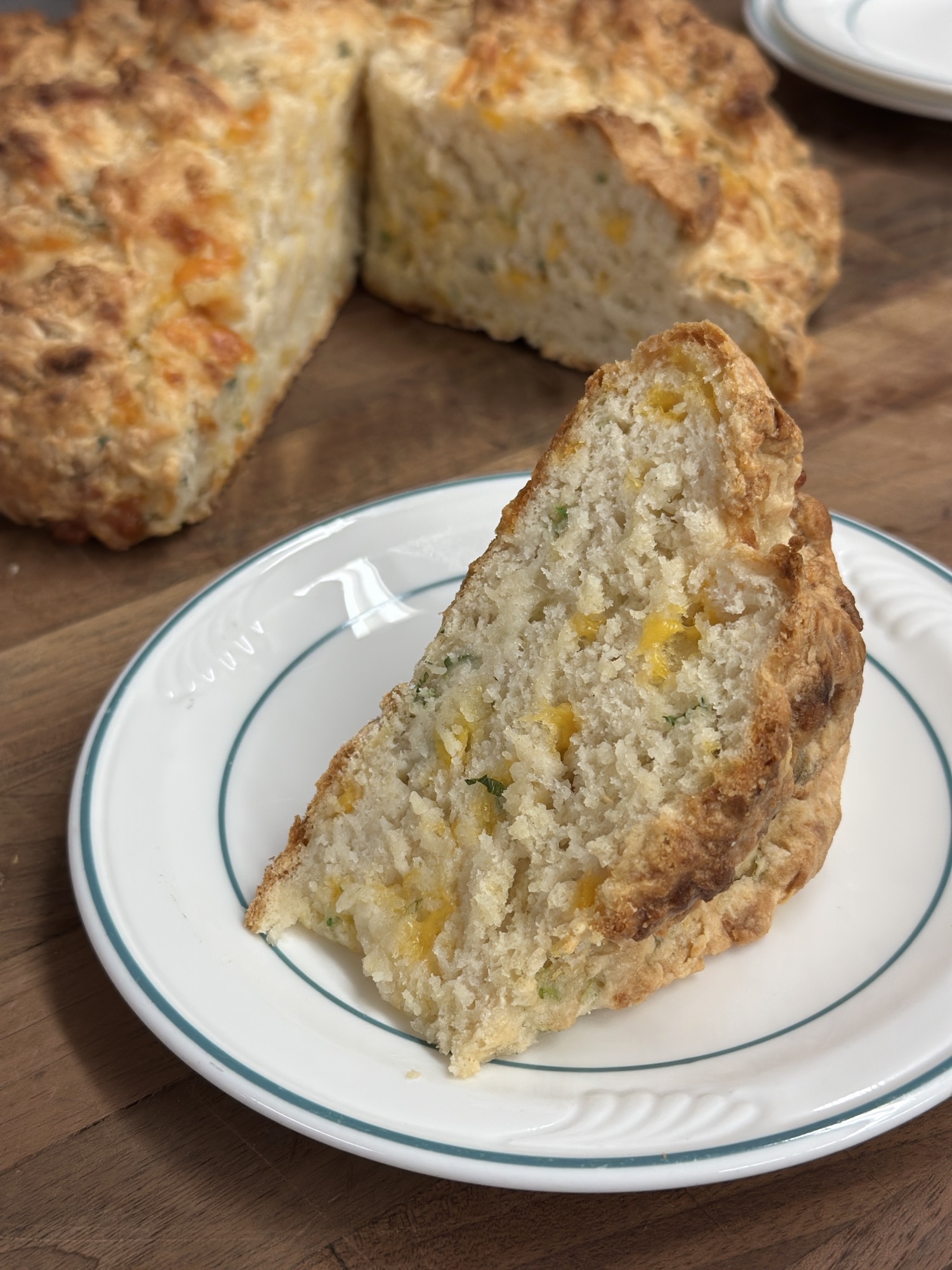
Savory Irish Soda Bread with Cheddar & Spring Onions
A Savory Irish Soda Bread for St. Patrick’s Day Irish soda bread is not yeast bread. It is not kneaded. It does not wait. It relies on baking soda and […]
-
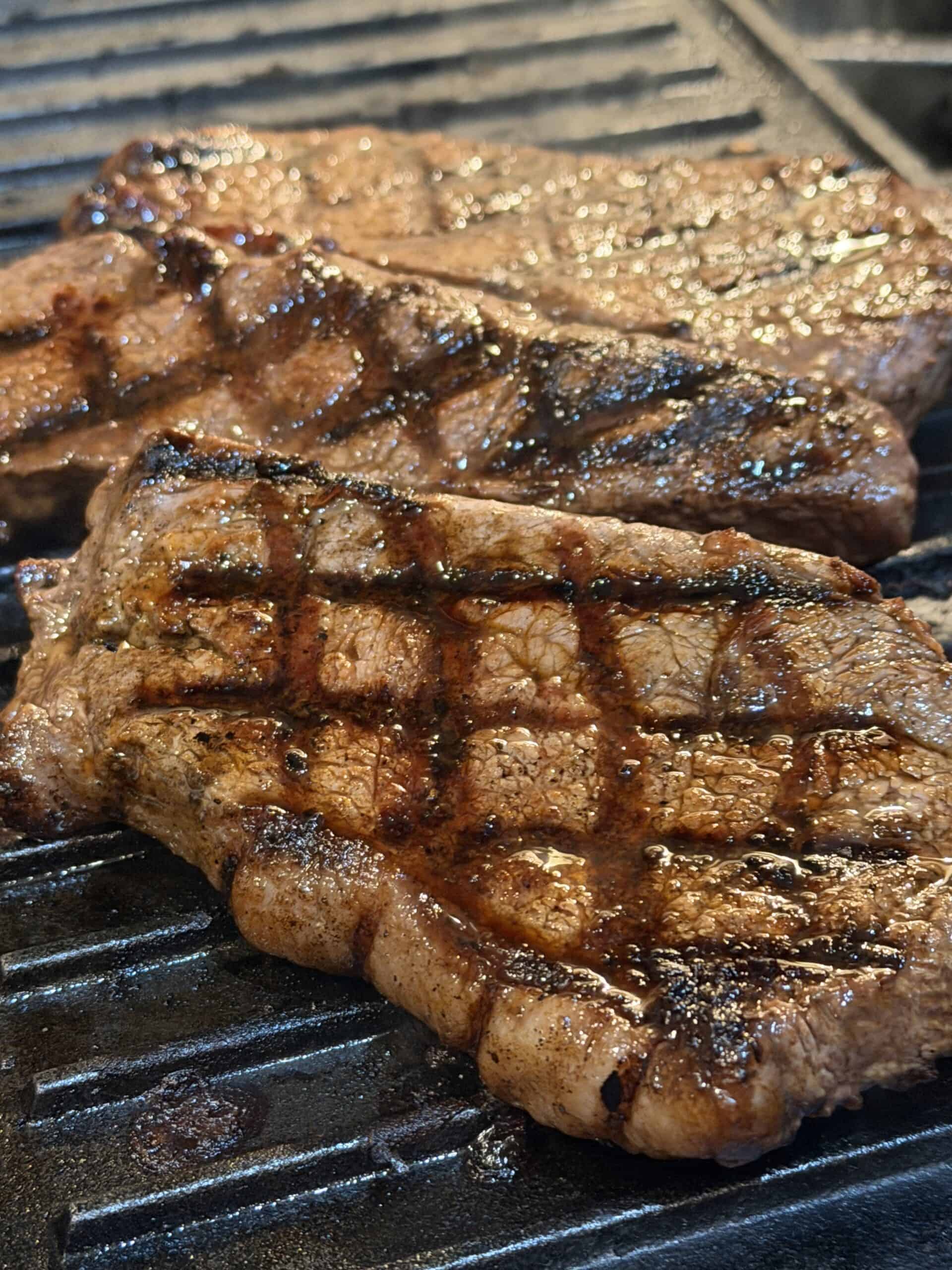
Indoor Grilled Steak: Steakhouse Results Without a Grill

A good steak does not require a backyard or a ritual involving charcoal and weather reports. What it needs is intense heat, a dry surface, and restraint. Indoors, the flavor […]
-
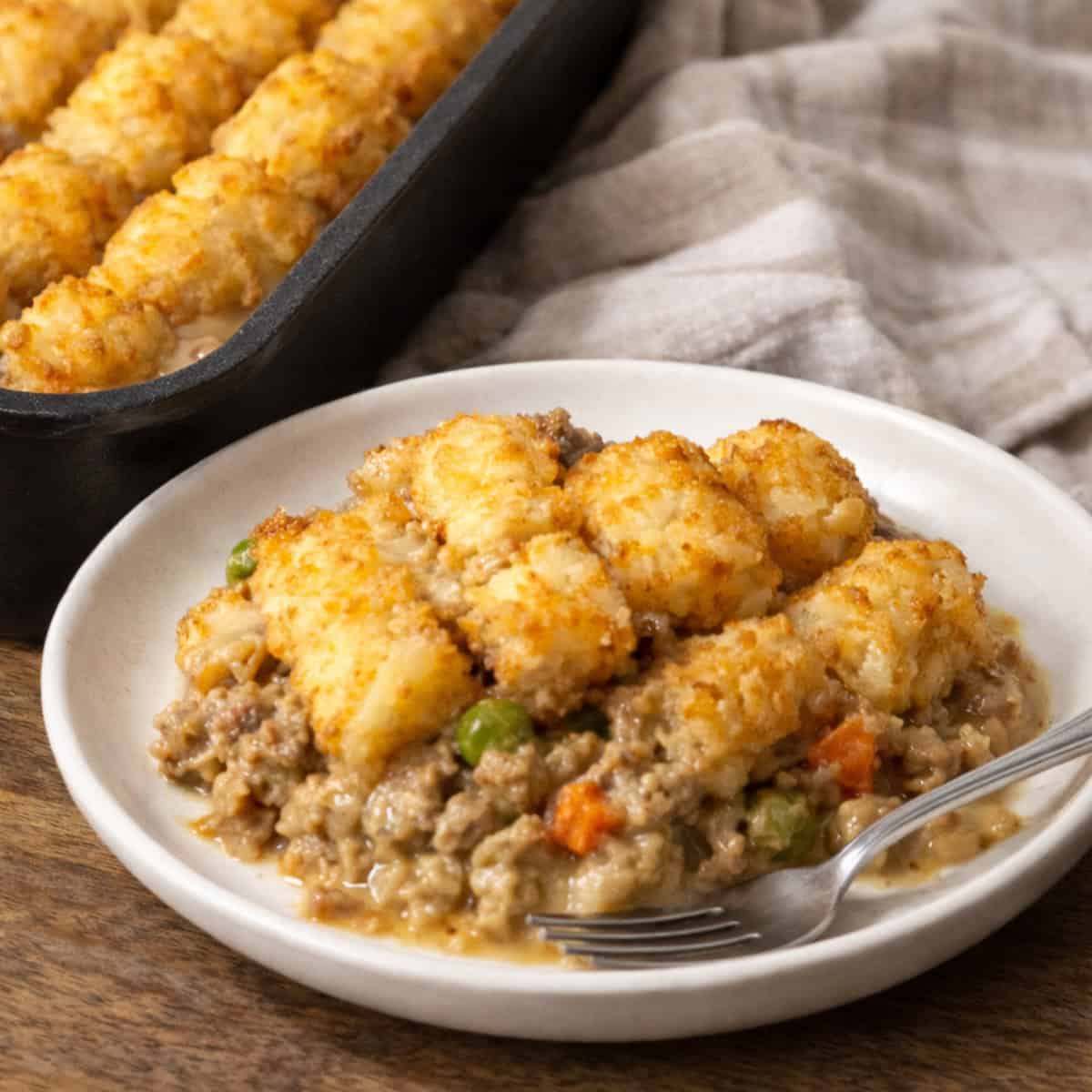
Tater Tot Hotdish (Midwest Classic)

At a glance, Tater Tot Hotdish looks like shepherd’s pie. Both are layered baked dishes with ground meat and vegetables. But they’re not the same. Shepherd’s pie is British, traditionally […]
-
American Pantry Essentials | Ingredients & Tools for Classic American Cooking

Building your American Pantry American cuisine is diverse, practical, and comfort-driven, shaped by regional traditions and global influences. Rather than relying on a single set of flavors, it draws strength […]
-
Southern Shrimp and Grits | Stone-Ground Grits & Bacon

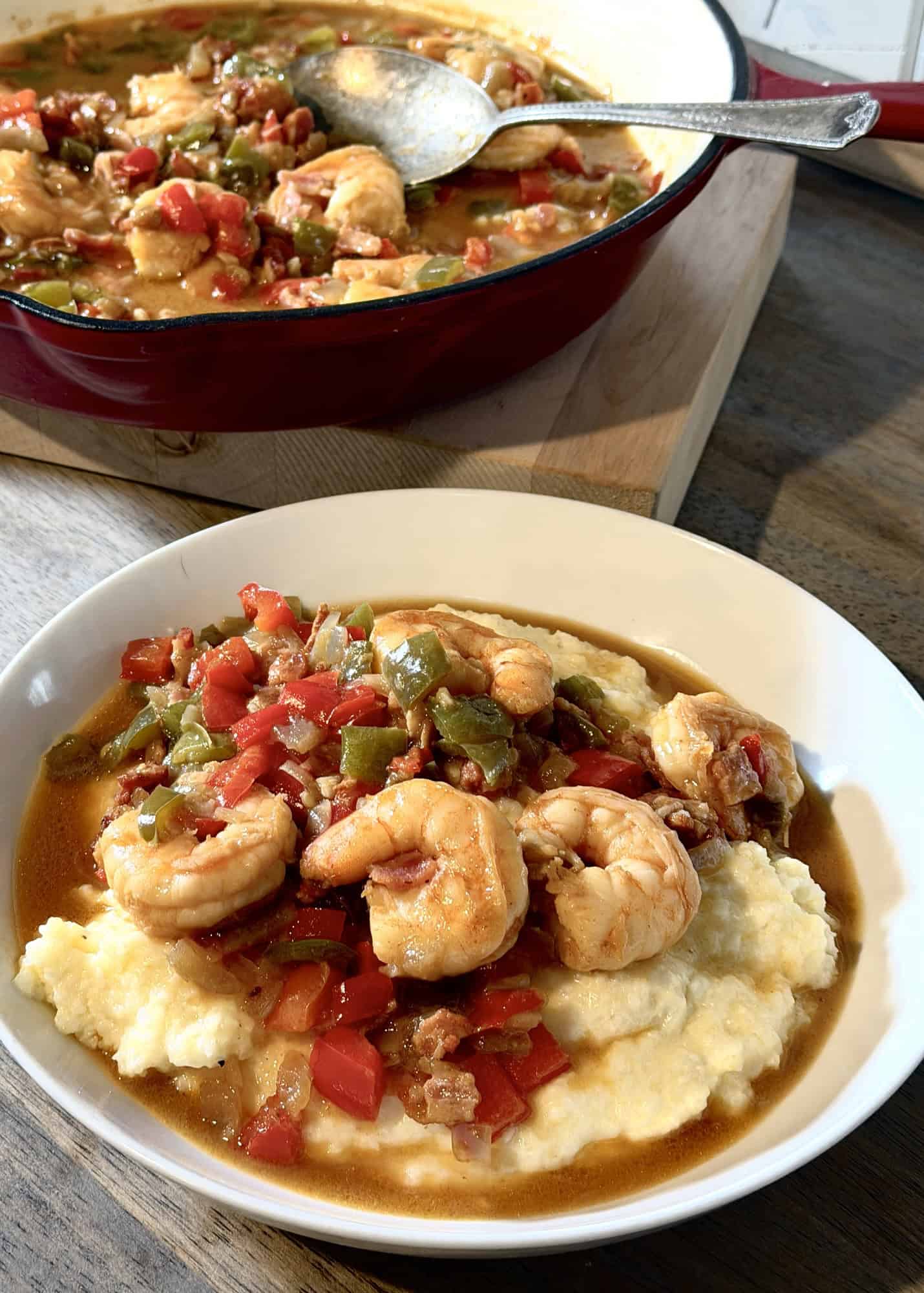
This is Lowcountry technique, The grits are soaked before cooking for a smoother texture, then slowly simmered so they stay creamy without cream. The shrimp are quickly seared in a […]
-
Old Fashioned Southern Cornbread | Cast Iron | No Sugar
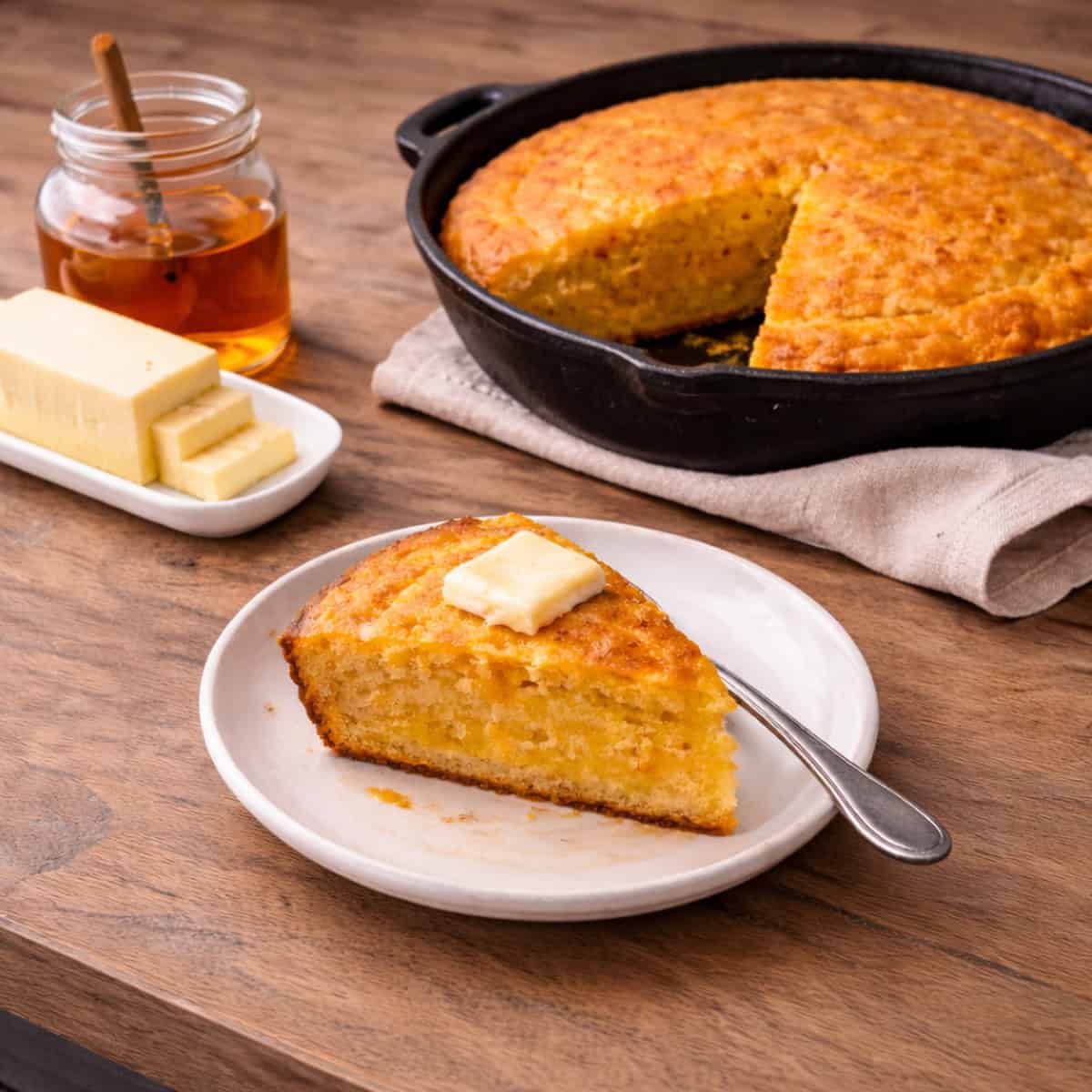
This old-fashioned Southern cornbread relies on cast iron skillet technique — a preheated pan, buttermilk, and no sugar. The result is crisp, lacy edges and a tender, savory crumb that […]
-
Classic Carrot Cake | Bakery Reipce

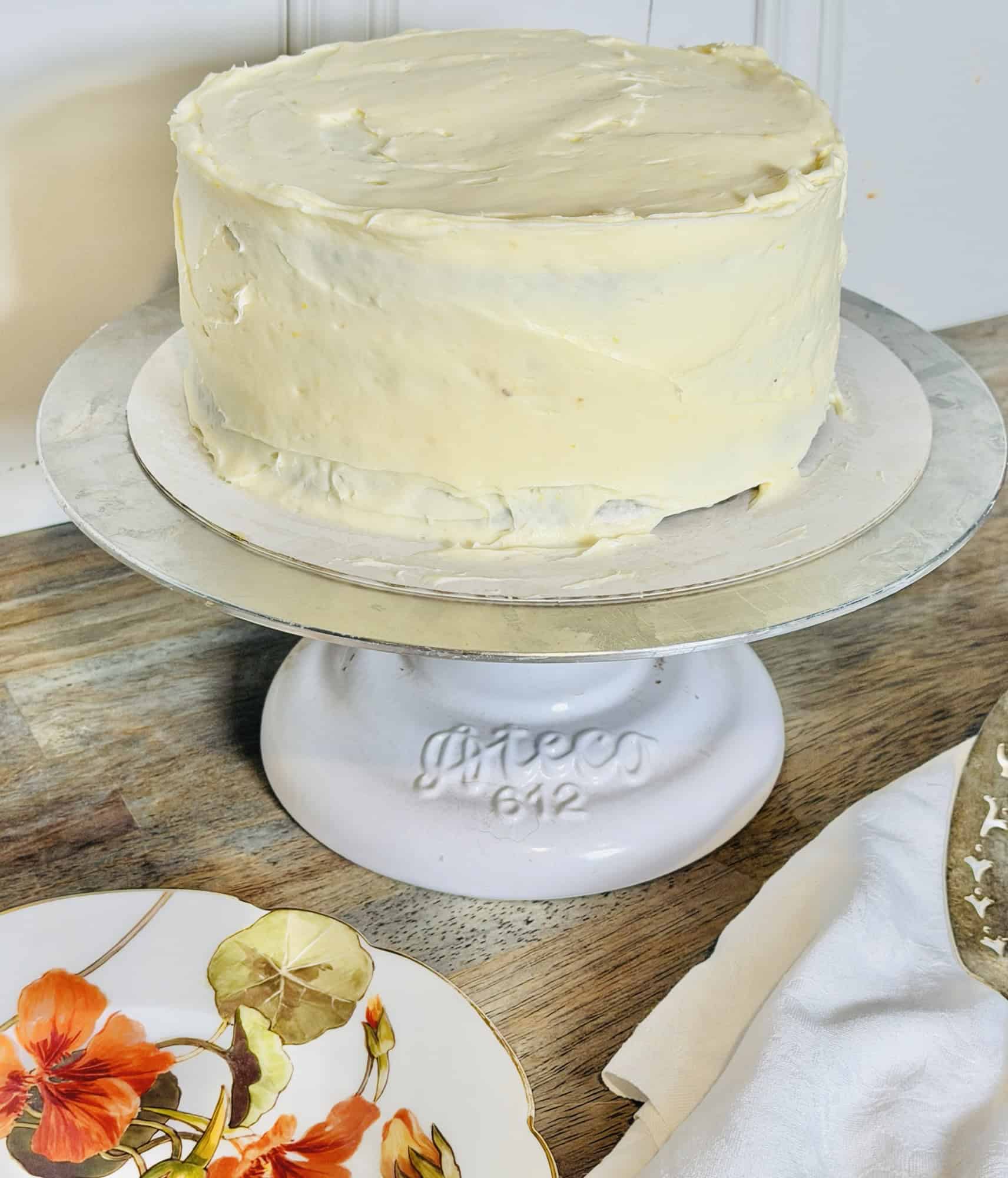
Classic carrot cake relies on oil-based cake technique for lasting moisture and structure. Freshly grated carrots and brown sugar hydrate the crumb naturally, while gentle mixing prevents toughness. The layers […]
-
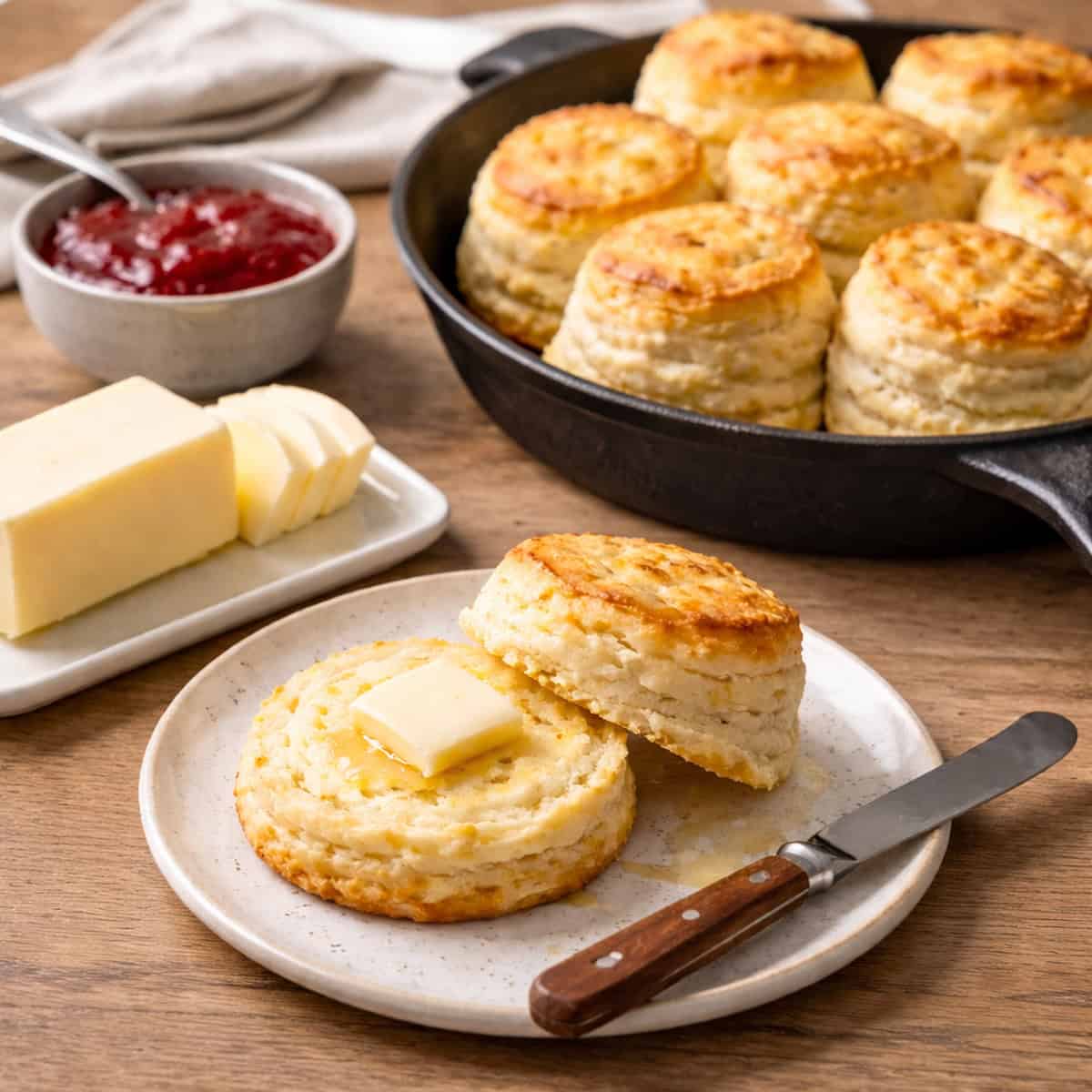
Buttermilk Biscuits | Flaky, Tall, and Foolproof
A biscuit is supposed to feel like it has layers—because it does. When it’s right, you can pull it apart with your fingers and see the seams like pages in […]
-
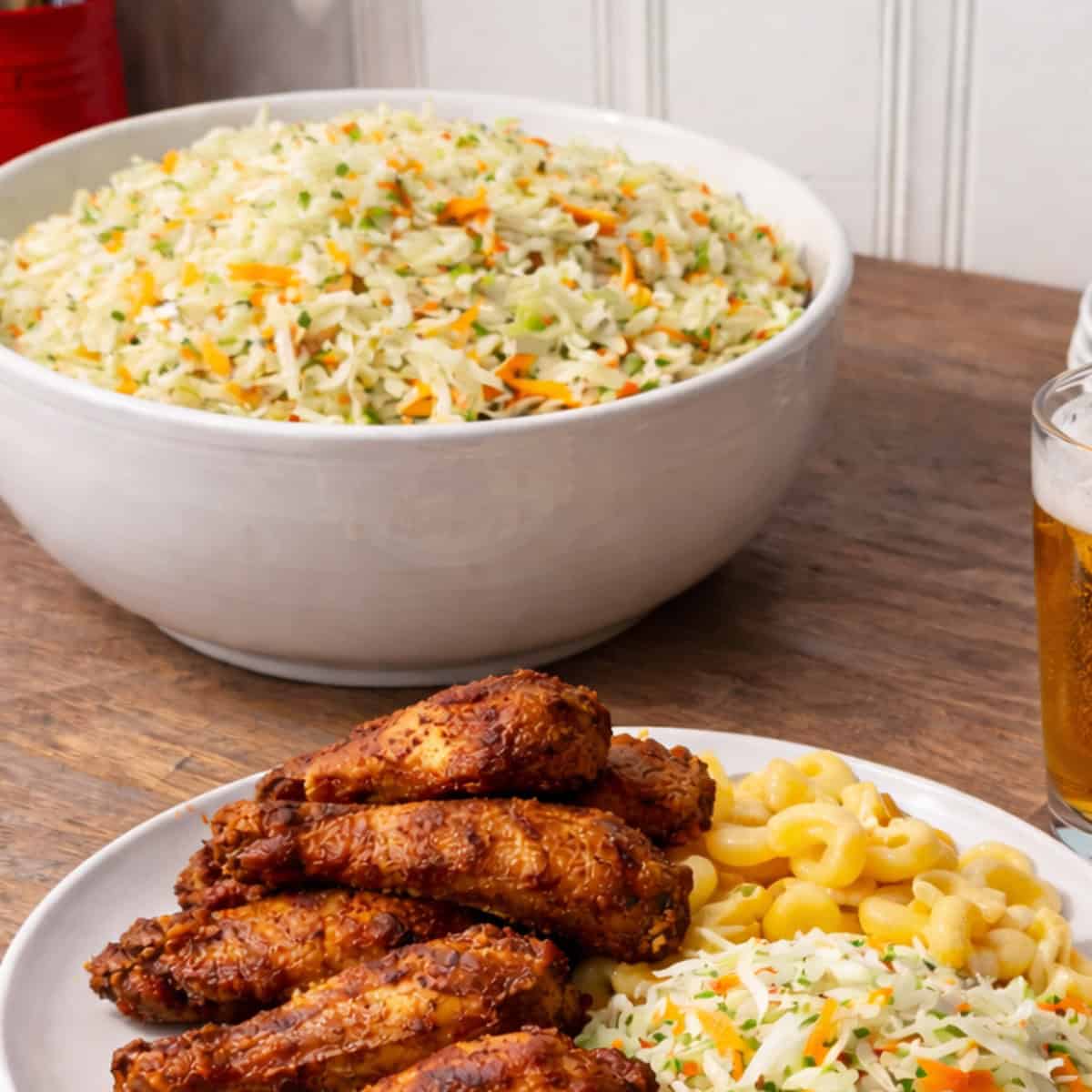
American Deli Style Vinegar Slaw
Vinegar slaw exists to cut through fat, salt, and excess. It’s not trying to be creamy. It’s not trying to comfort you. It’s there to reset your mouth so the […]
-
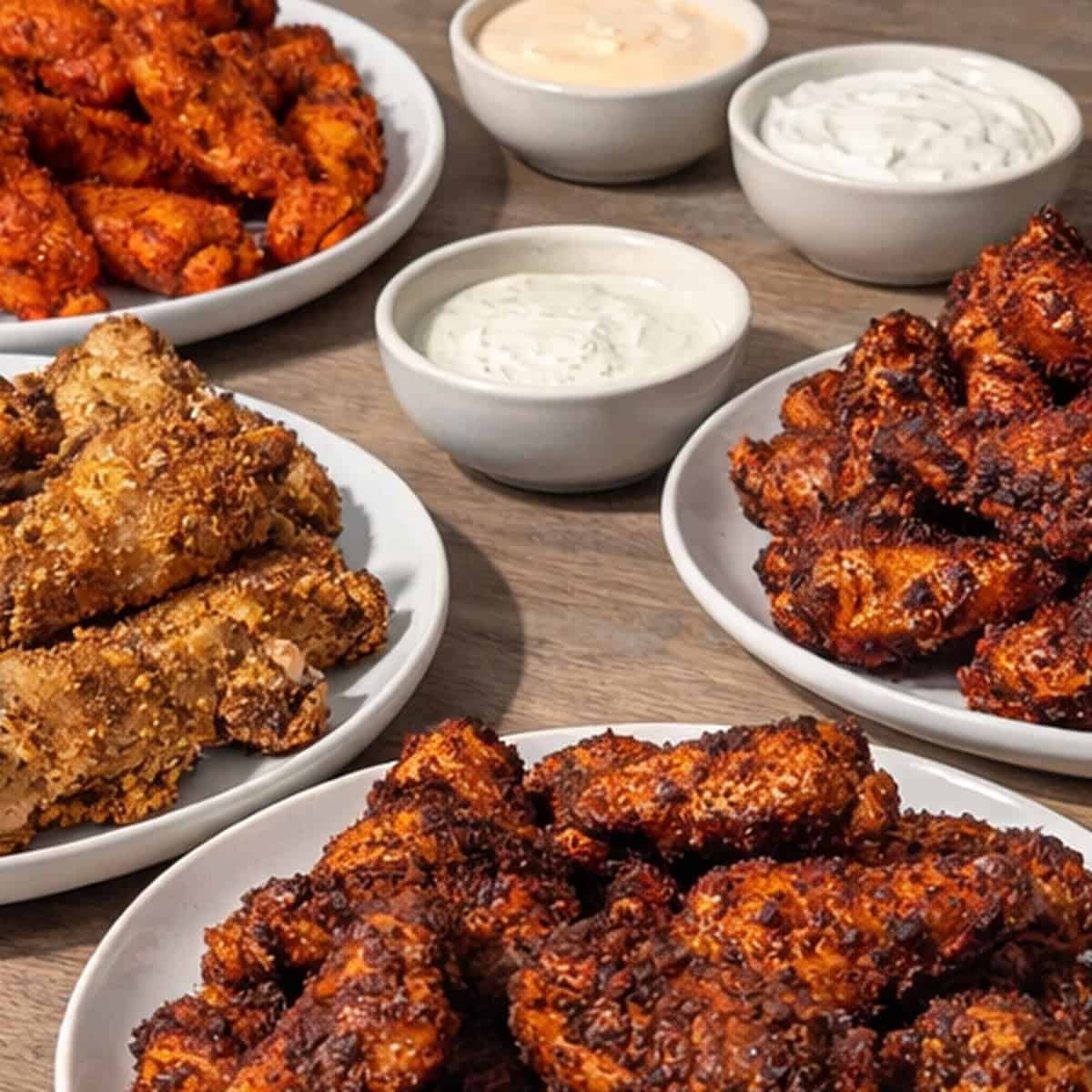
Dry Rub Chicken Wings | Buffalo, BBQ, Lemon Pepper & Cajun
Chicken wings usually show up wearing one of two uniforms. Brined-and-fried wings are built for juiciness. You soak them, coat them, drop them into oil, and let crunch do most […]
-
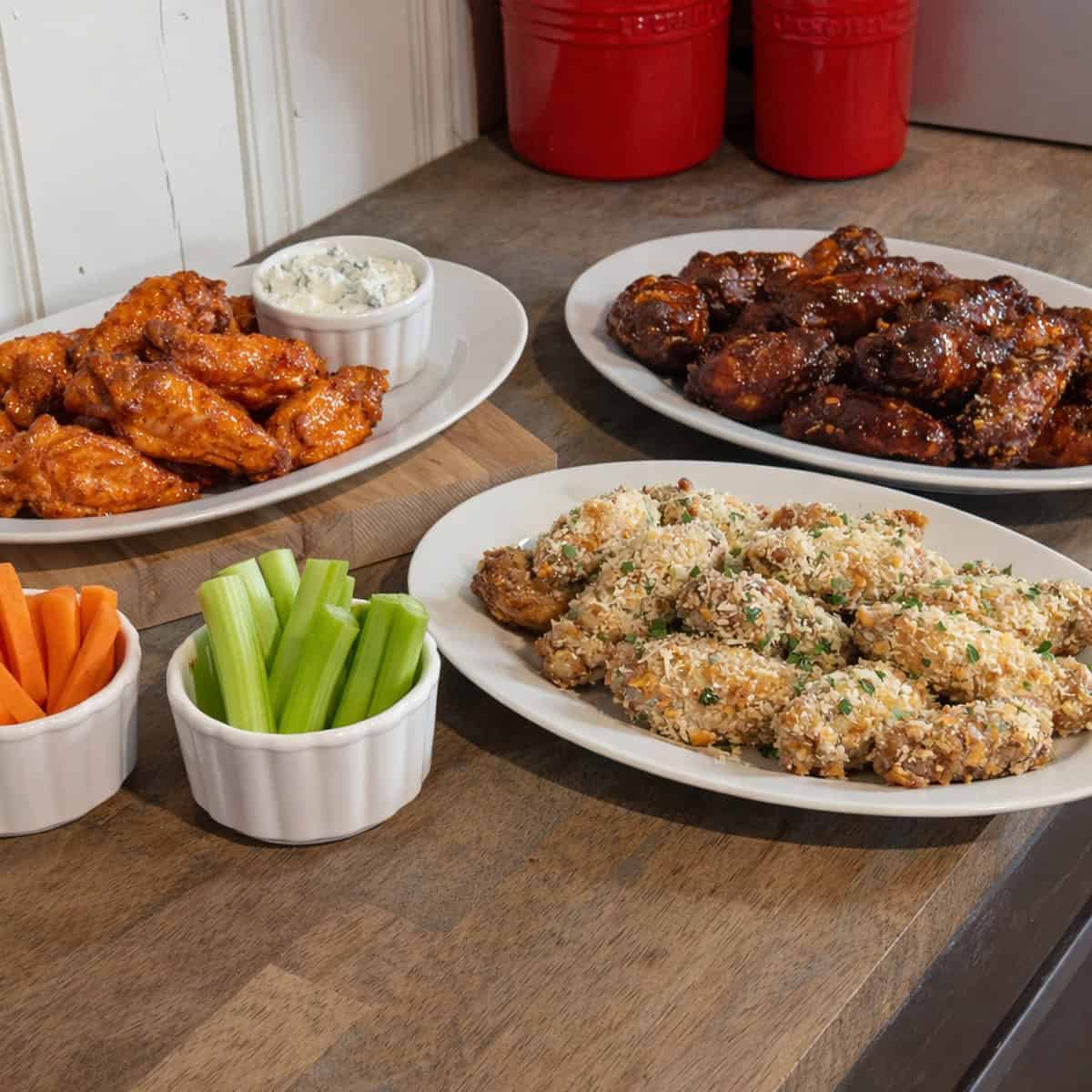
Buttermilk Fried Chicken Wings | The Most Popular Flavors
Chicken wings are a technique first and a flavor second. Crispy skin, rendered fat, and proper sauce timing matter more than heat level or sweetness. Get the method right, and […]
-
Mac and Cheese
Mac and cheese is a sauce problem disguised as comfort food. Why This Dish Matters Mac and cheese exists because dairy, flour, and pasta were affordable and filling. It’s working […]
-
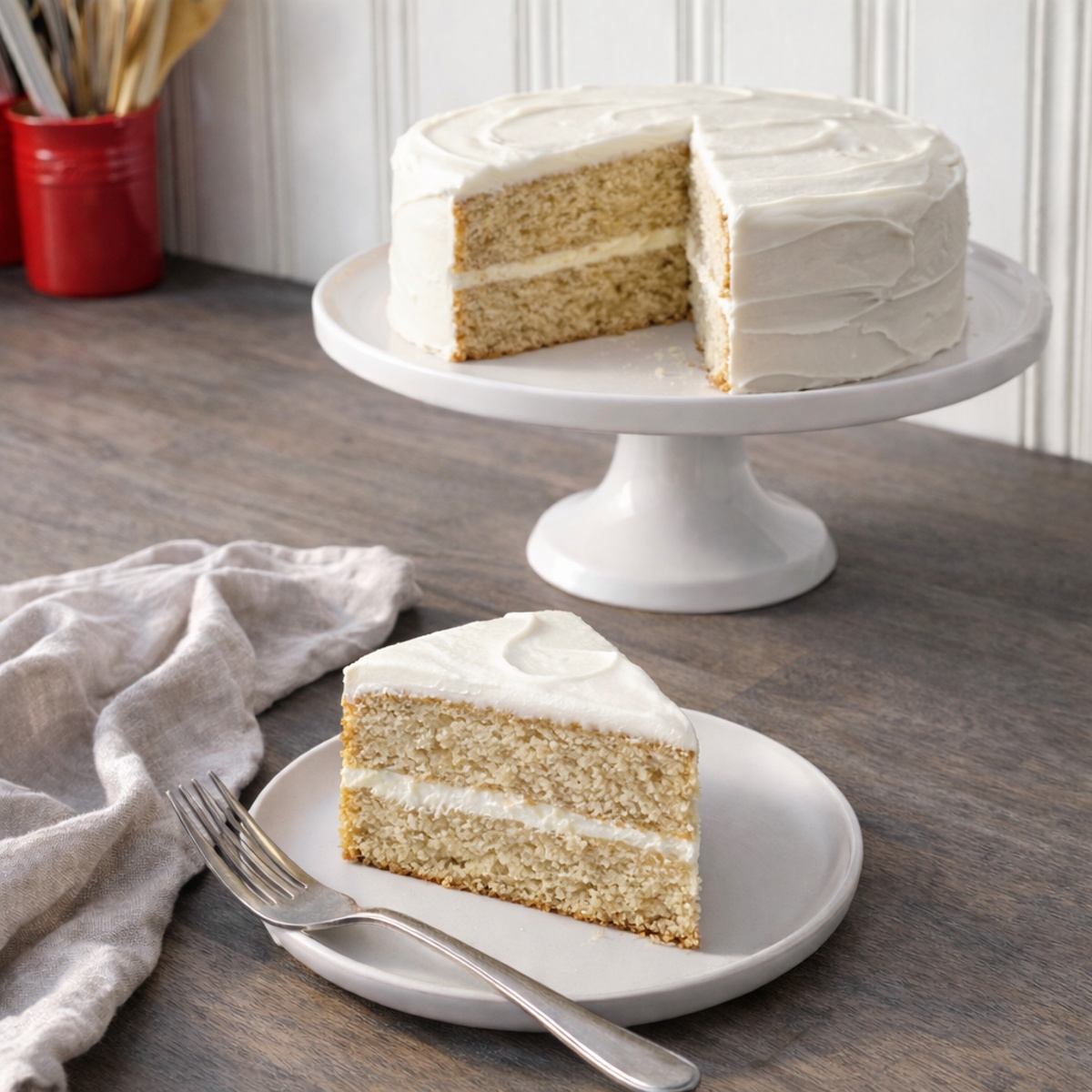
Bakery-Style Banana Cake
Bakery-style banana cake is not banana bread. It’s lighter, more structured, and designed to slice cleanly. When done right, it carries clear banana flavor without collapsing under its own moisture […]
-
Southern Fried Chicken
Southern fried chicken isn’t about crunch alone — it’s about control. Properly seasoned meat, a coating that stays where it belongs, and oil held at the right temperature from start […]
-
Pulled Pork (Oven or Smoker)
Pulled pork is not about smoke alone. It’s about time, and collagen Yes, smoke adds flavor. But long before backyard rigs and competition trophies, pork shoulder was cooked low and […]
-
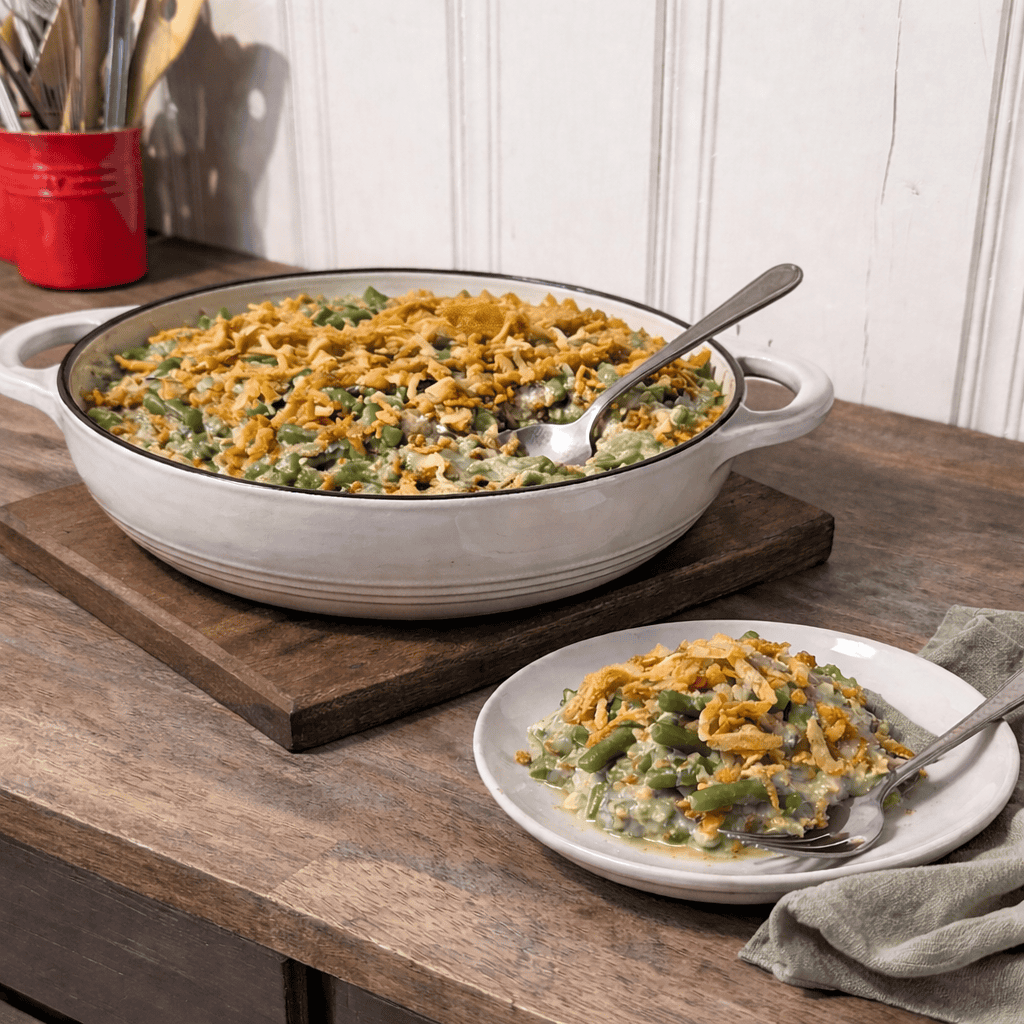
Green Bean Casserole (Fresh or Pantry-Based)
Green bean casserole is not one thing. It’s two things pretending to be one. There’s the version made from fresh green beans, real mushrooms, and a pan that smells like […]
-
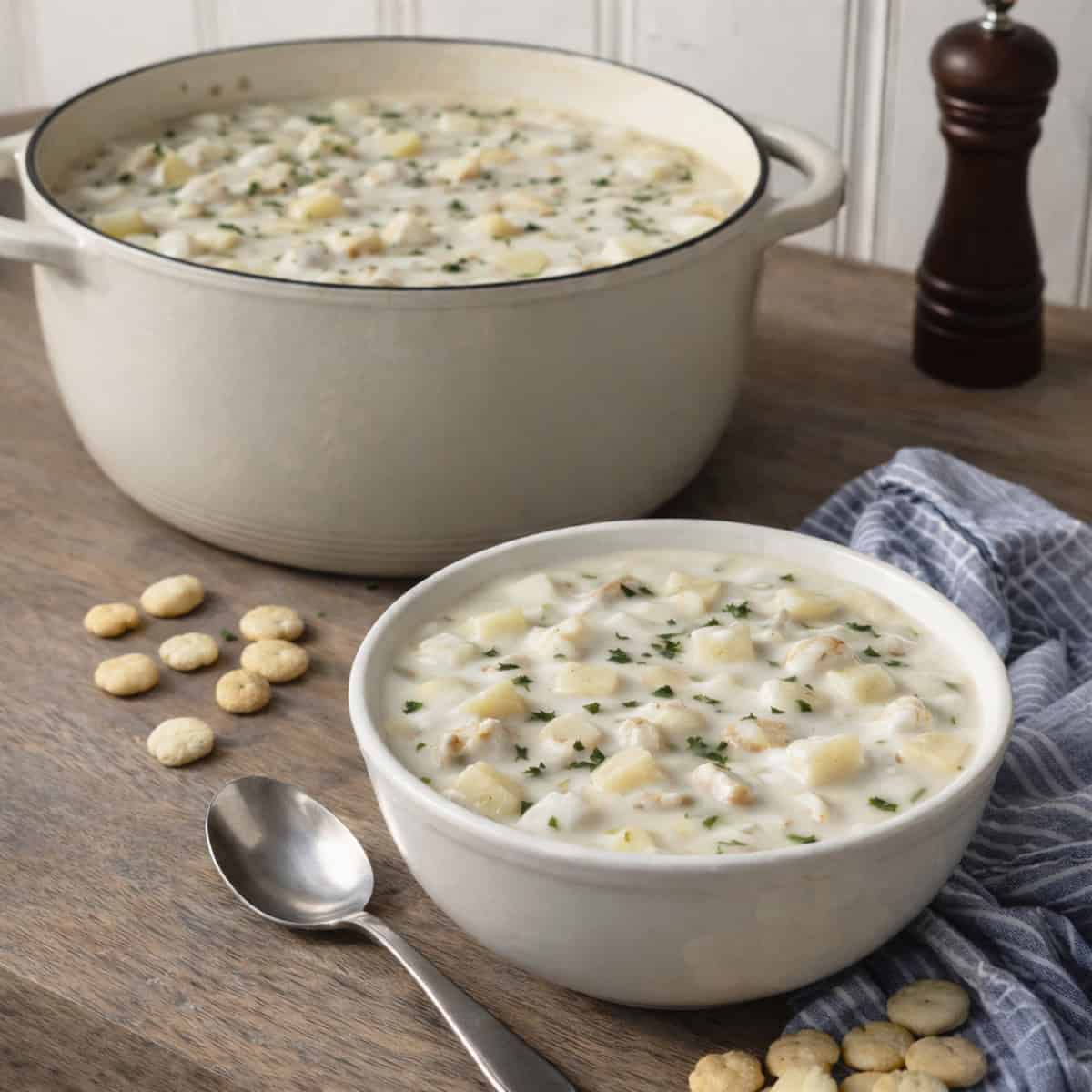
New England Clam Chowder
New England clam chowder is built on restraint: clams, potatoes, dairy, and time. It’s one of three regional chowders found along the Northeast coast—and the most dairy-forward of the group—defined […]
-
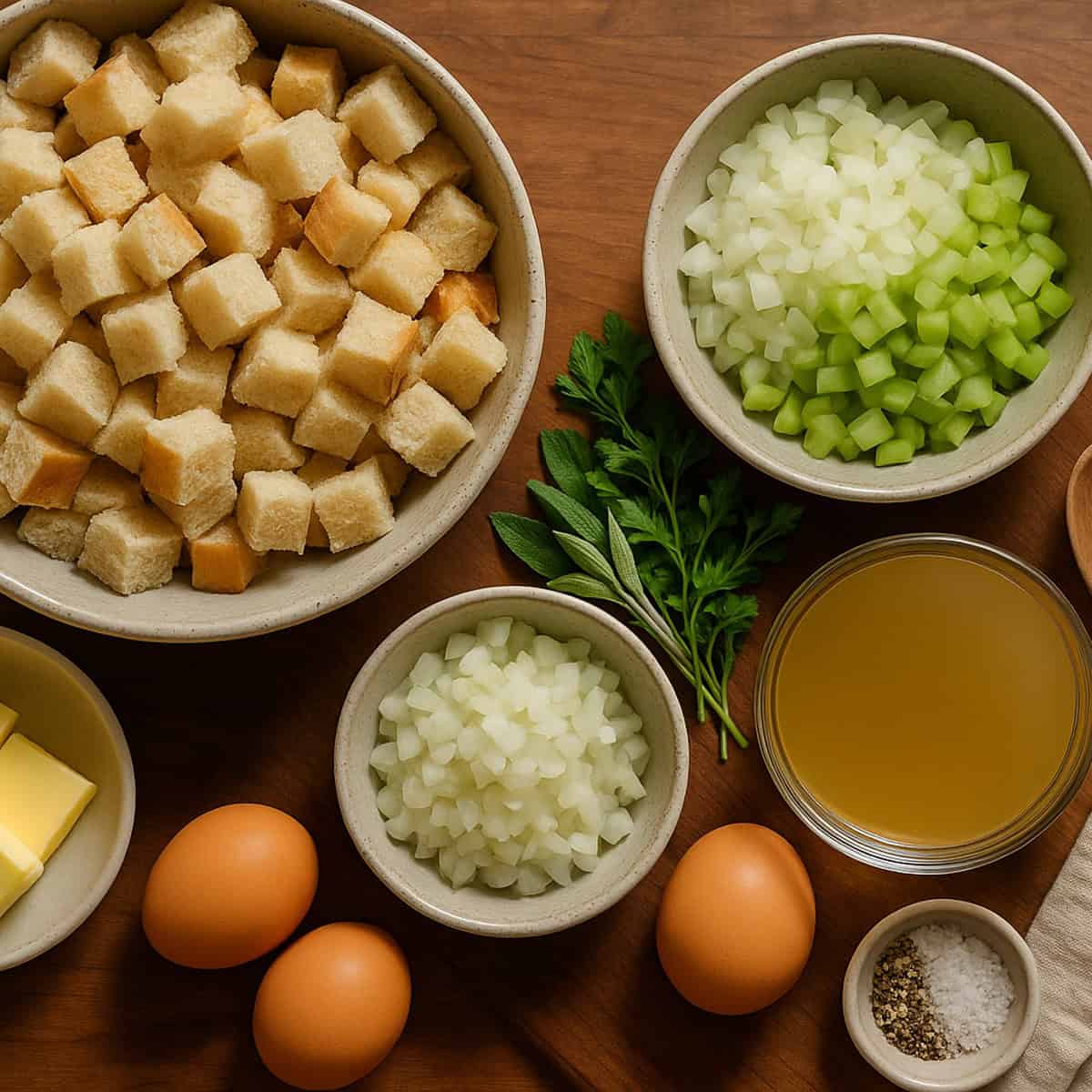
Stuffing Ideas That Transport Your Thanksgiving Table
Stuffing holds memory, buttery nostalgia, and a little family chaos. The smell of onions and sage rising from the oven is an edible time machine, carrying you back to the […]
-
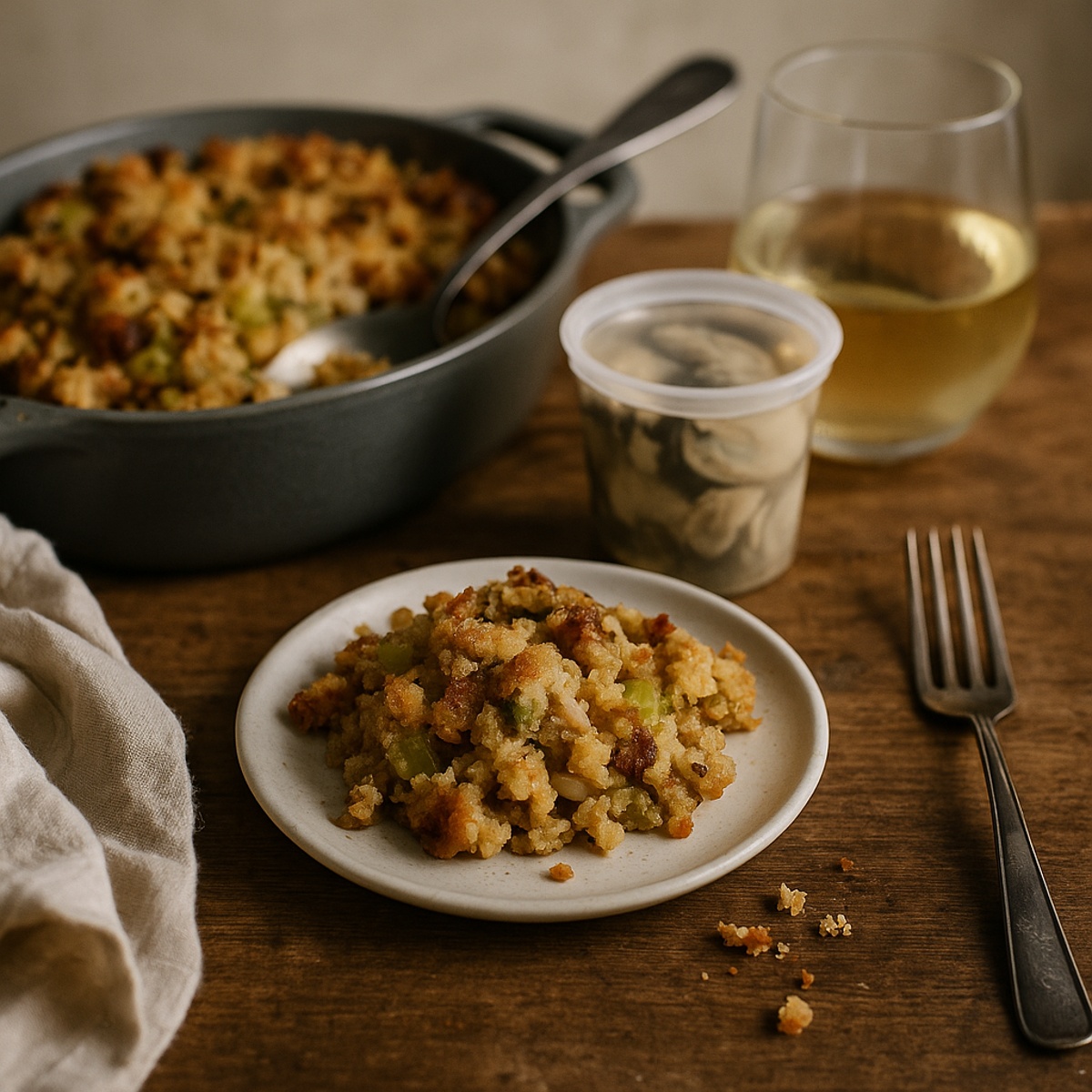
New England Oyster Stuffing
Family Tradition Meets New England Flavor Stuffing can tell you everything about a family. My mother made a recipe for oyster stuffing occasionally— she was a native of New Jersey, […]
-
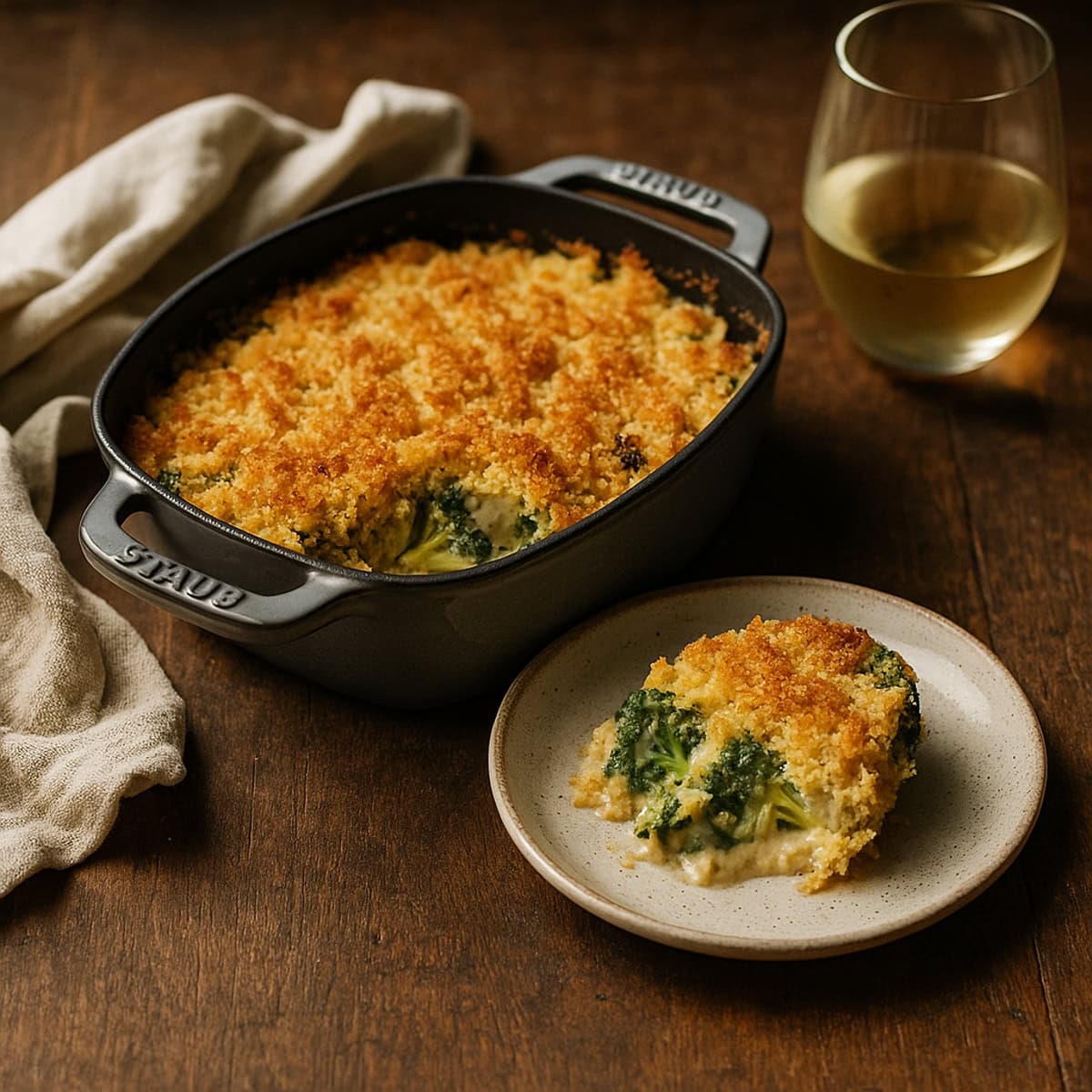
Embarrassingly Good Broccoli Casserole
Broccoli casserole isn’t glamorous. It’s not plated with tweezers or whispered about in Michelin-star kitchens. It’s a dish born from potlucks, from church basements, from families trying to stretch a […]
-
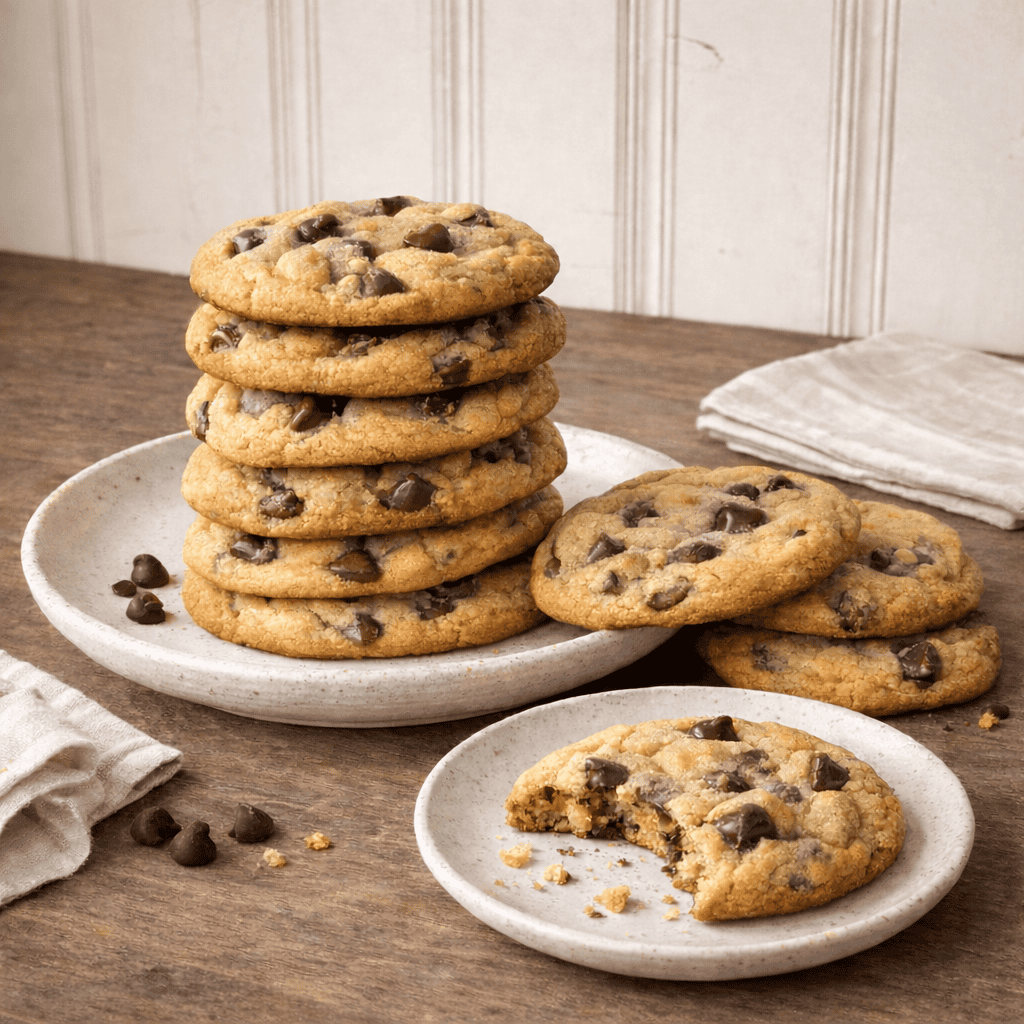
Chewy Chocolate Chip Cookies (With Cornstarch)
These cookies aren’t trying to reinvent anything. They’re trying to get one thing right. They’re chewy through the center, lightly crisp at the edges, and soft enough to still matter […]
-
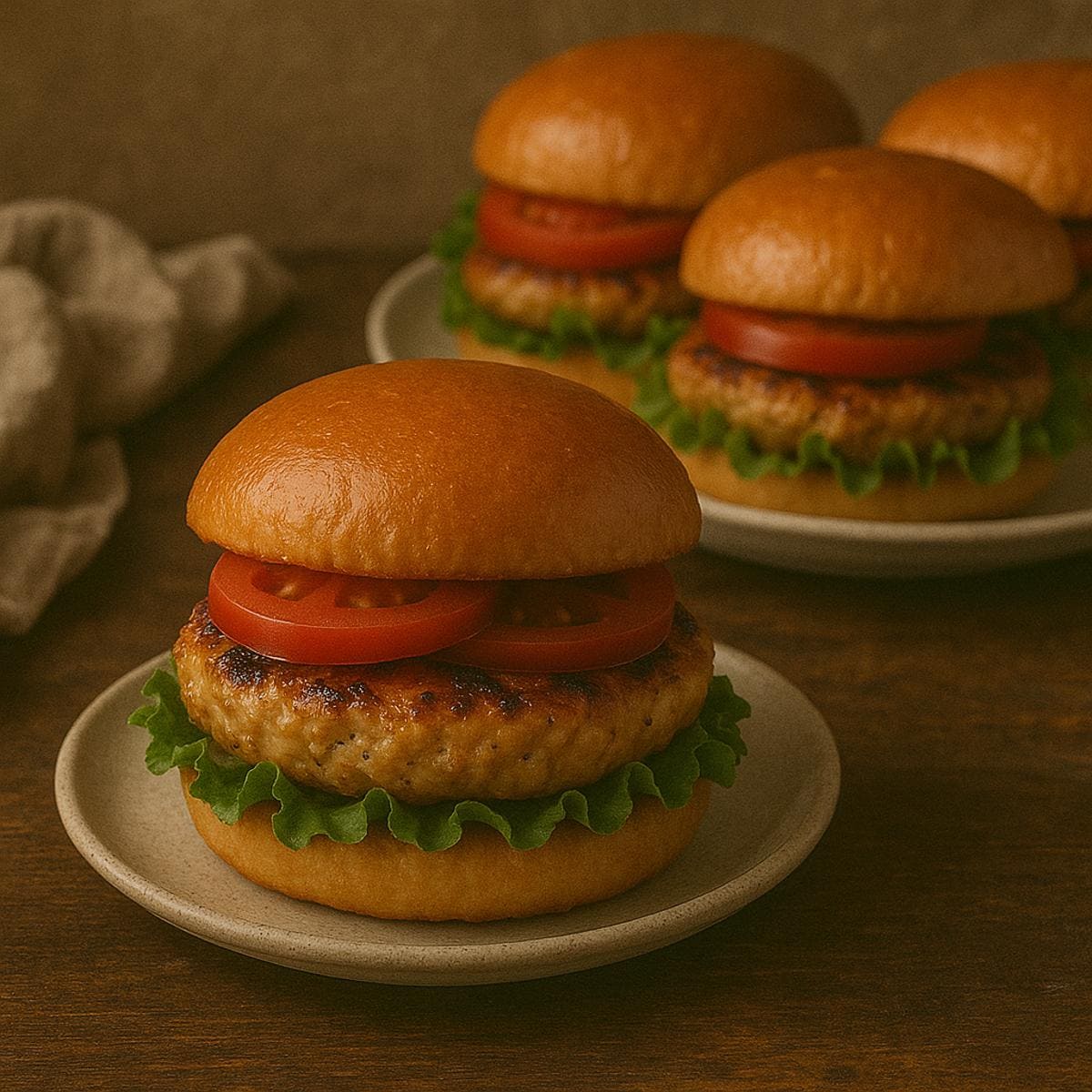
Juicy Chicken Burger Recipe
This recipe focuses on moisture management - balancing fat, liquid, and gentle handling keep lean ground chicken juicy on the grill or stovetop. Looking for a lighter alternative to beef […]