
Miso Soup — Daily, Not Decorative
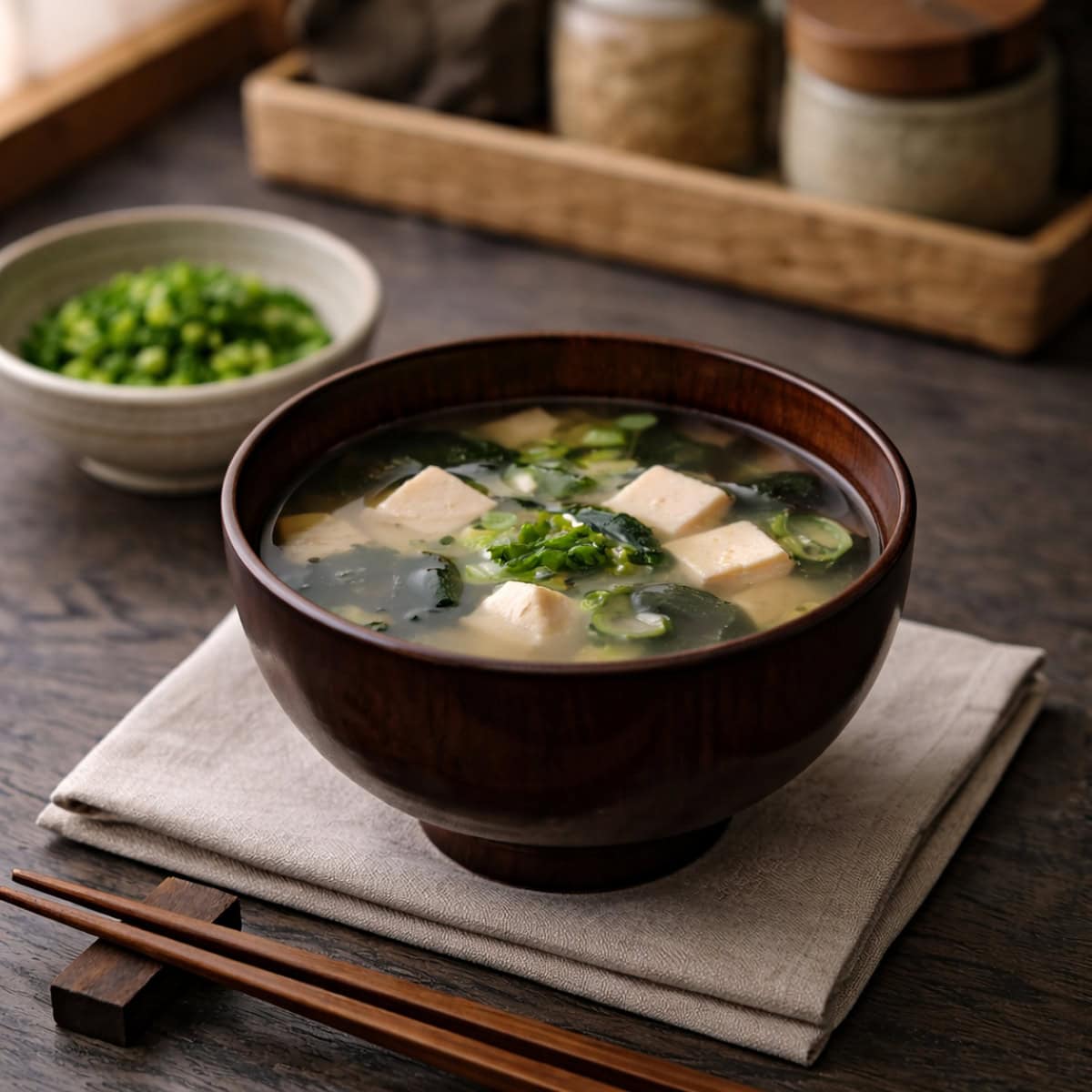
Miso soup isn’t a starter in Japan. It’s a constant. Breakfast, lunch, or dinner, it shows up because it works with the body, not against it.
The heart of miso soup is fermentation. Miso—whether white, yellow, or red—is made from soybeans fermented with koji, a mold that unlocks flavor and digestibility. That fermentation adds depth without heaviness and supports digestion in a way few foods do.
Dashi, the broth base, is intentionally light. Kombu and bonito provide umami without fat or density. The soup warms the body, hydrates gently, and prepares digestion for the rest of the meal. Ingredients added—soft tofu, seaweed, scallion—are chosen for texture and ease, not bulk.
Miso soup teaches a core Japanese principle: food doesn’t have to be exciting to be essential.
Takikomi Gohan — Rice That Carries the Season
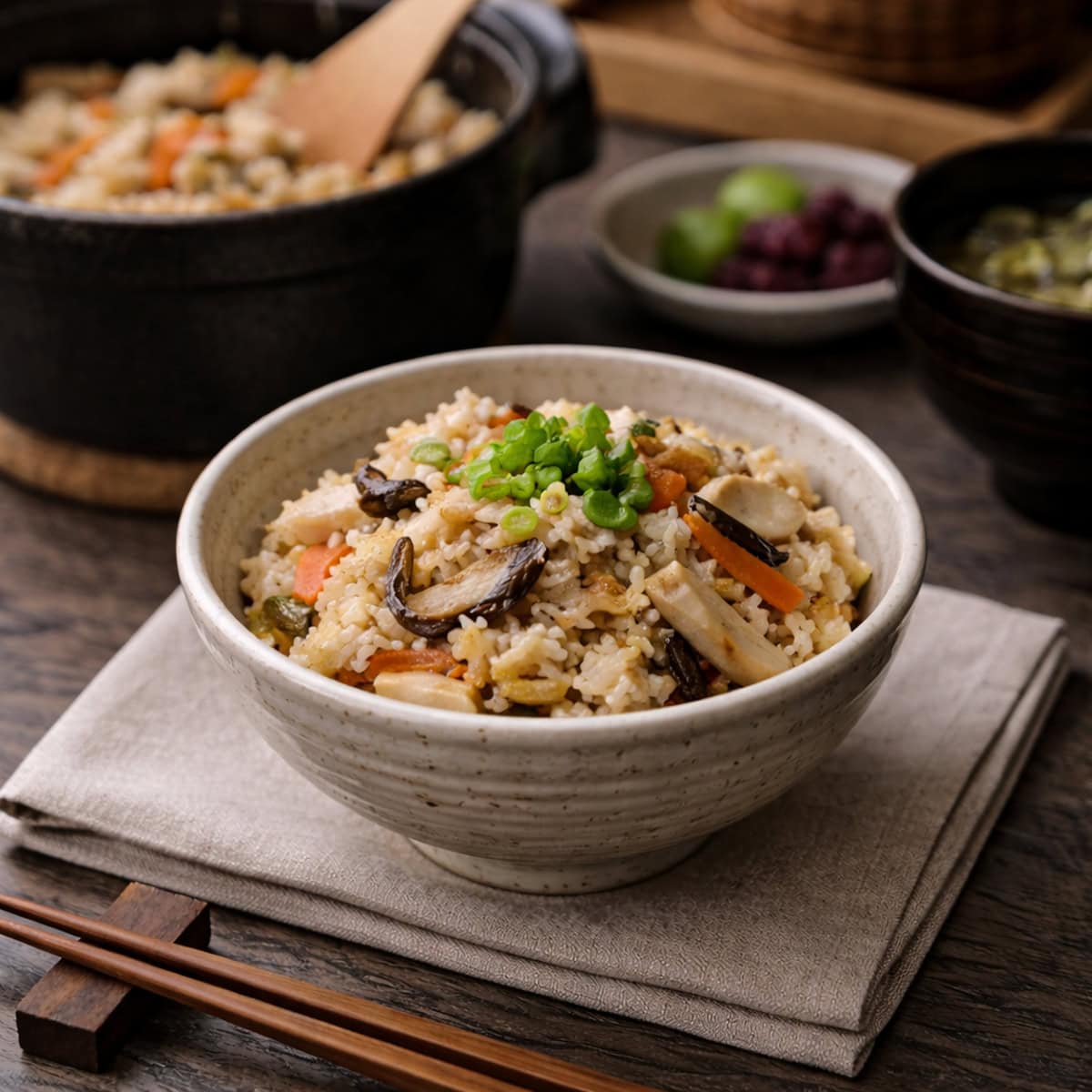
Takikomi gohan is rice cooked with broth and seasonal ingredients. It’s not meant to be rich or showy. It’s meant to quietly reflect what’s available right now.
The rice absorbs dashi rather than sauce. Vegetables, mushrooms, or bits of fish are folded in sparingly. Nothing dominates. The result is rice that tastes complete on its own but still works alongside soup and vegetables.
This dish shows how Japanese cooking uses rice as a canvas, not a centerpiece. Takikomi gohan changes through the year—root vegetables in winter, lighter flavors in spring—making it a record of the season rather than a fixed recipe.
It’s nourishment that adapts instead of demands.
Simply Glazed Teriyaki Salmon — Balance, Not Sweetness
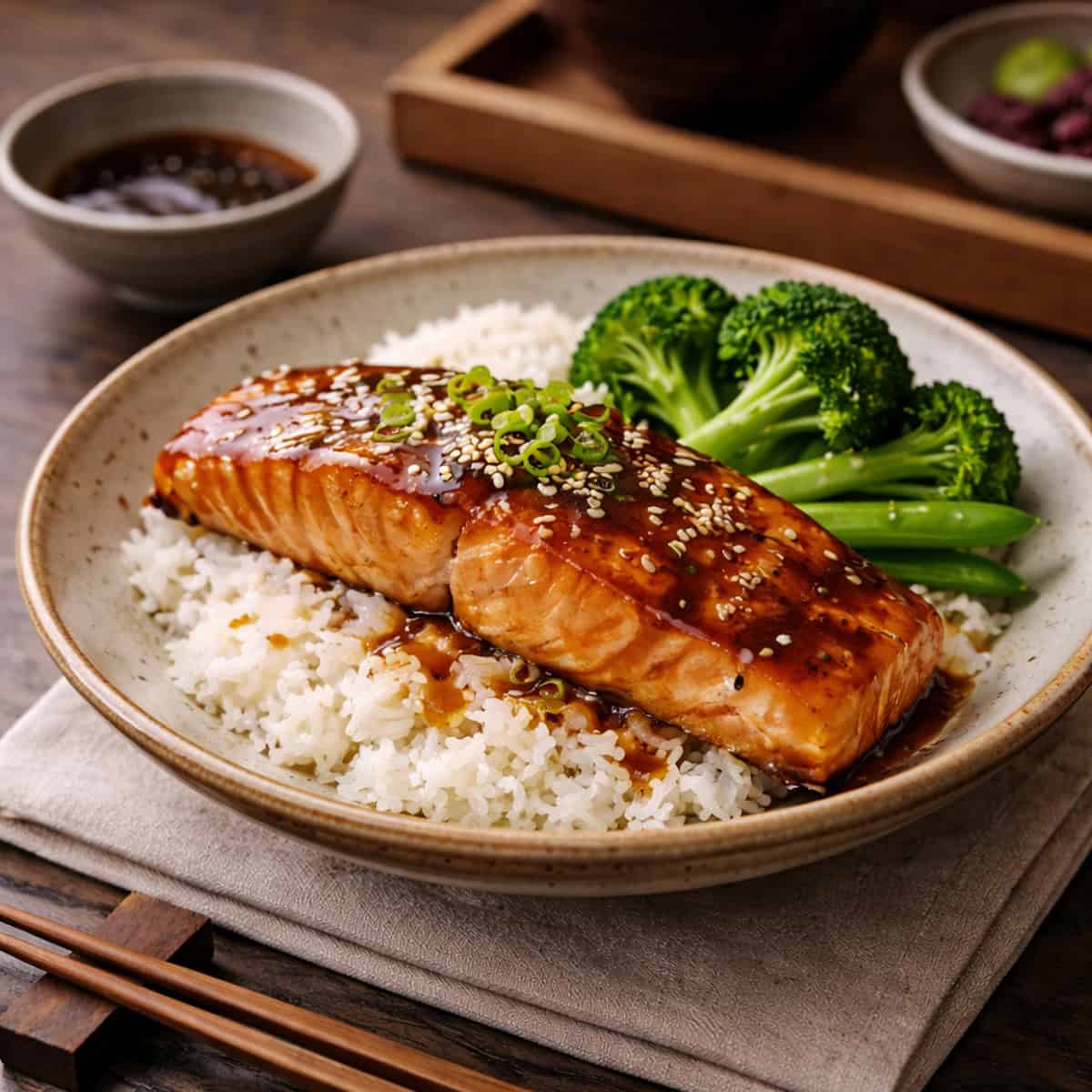
Outside Japan, teriyaki often means sugar-heavy sauces and sticky glazes. At home, it’s far more restrained.
Traditional teriyaki relies on soy, mirin, and sake—ingredients that create shine and balance, not syrupy weight. The glaze is applied lightly and cooked just long enough to coat the fish, not bury it.
Salmon provides richness on its own. The glaze exists to sharpen and define that richness, not mask it. Served with rice and vegetables, the dish feels satisfying without excess.
This is a perfect example of Japanese moderation: strong ingredients, gently handled.
Simmered Vegetables (Nimono) — Quiet, Grounding, Essential
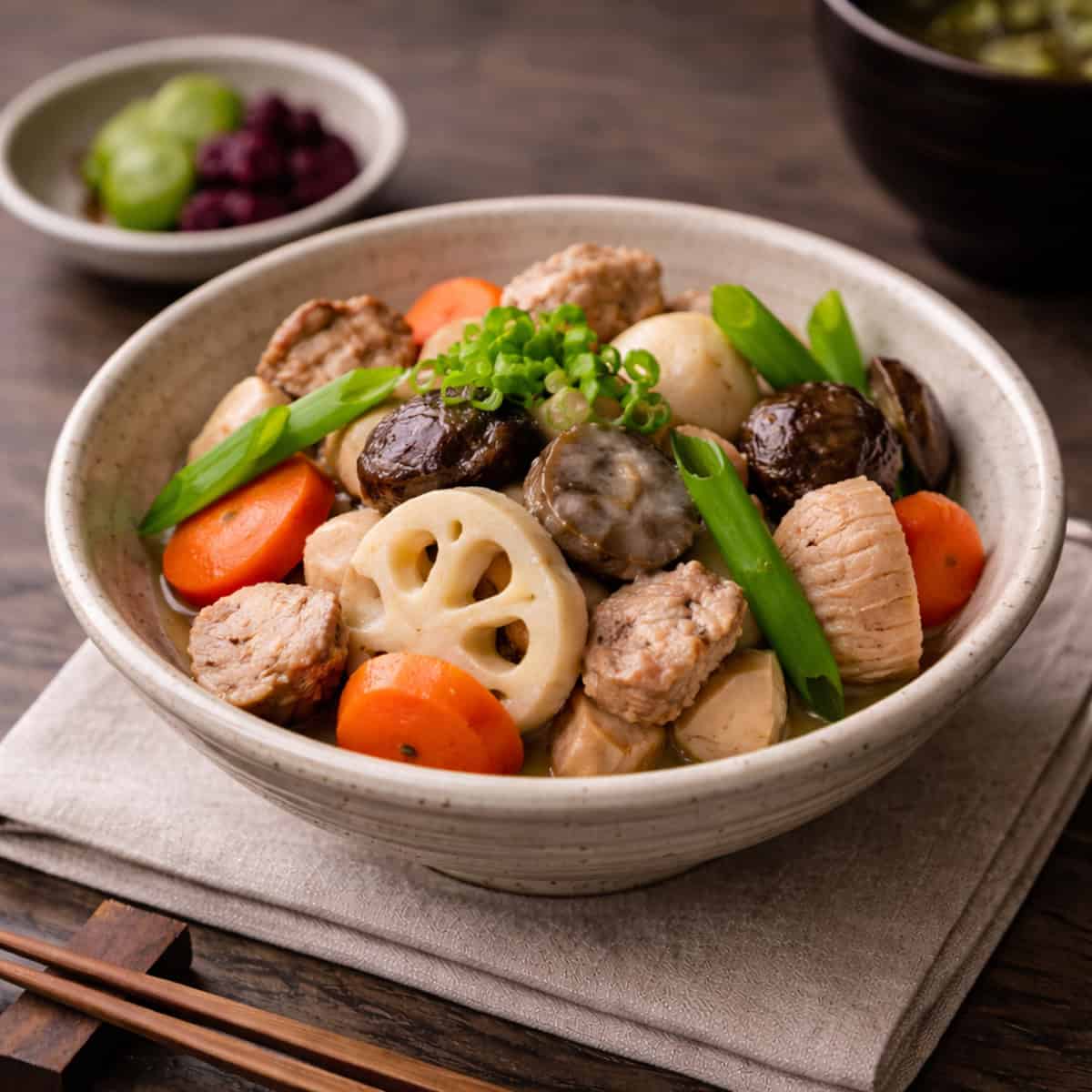
Nimono refers to vegetables gently simmered in seasoned broth. It’s one of the least flashy categories of Japanese cooking—and one of the most important.
Root vegetables, squash, greens, or tofu are cooked slowly until tender. Seasoning is light. The goal is softness, warmth, and digestibility. These dishes are especially common in winter, when the body benefits from cooked foods that don’t challenge digestion.
Nimono teaches patience. Vegetables aren’t rushed or crisped for drama. They’re allowed to soften, to absorb flavor gradually, and to support the meal without demanding attention.
This is food that cares more about how you feel afterward than how it looks on the table.
Grilled Fish with Salt — Technique Over Seasoning
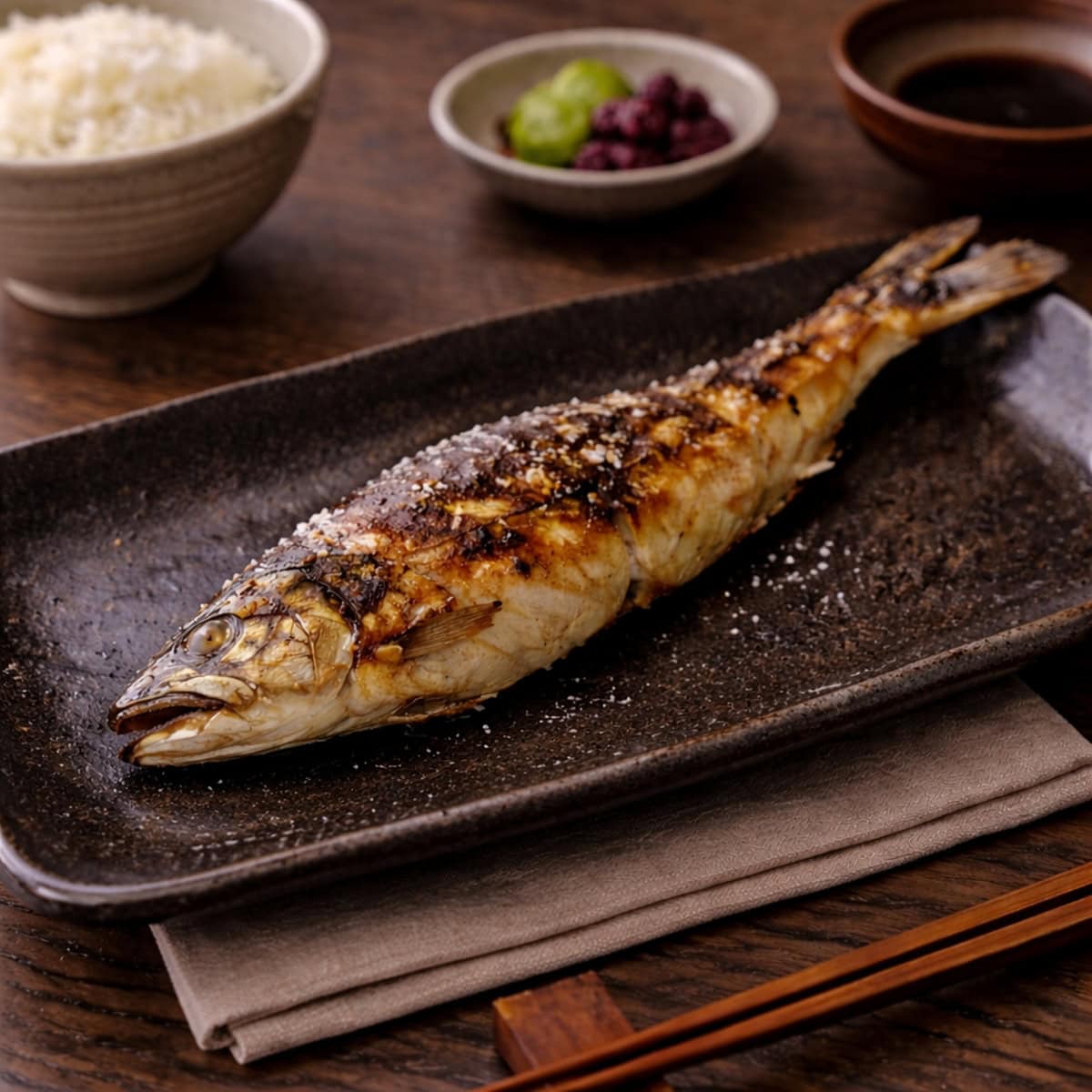
Grilled fish seasoned only with salt may be the purest expression of Japanese cooking philosophy.
The fish is fresh. The cut is intentional. The salt is applied sparingly. Grilling is controlled to crisp the skin and protect the flesh. There are no sauces to hide behind.
This dish depends entirely on restraint and skill. When done well, it needs nothing else—just rice, vegetables, and perhaps a squeeze of citrus.
Grilled fish with salt reminds us that Japanese cuisine isn’t about layering flavors endlessly. It’s about knowing when to stop.
Why These Dishes Matter Together
Miso soup, rice, fish, and vegetables aren’t separate ideas. They form a daily system.
Together, they:
- warm the body
- support digestion
- keep portions moderate
- allow meals to repeat without fatigue
These dishes define Japanese cooking not because they are impressive, but because they are sustainable. They are food built for living well over time.
Beyond the Table: Place and Context
Kyoto, Tokyo, Kanazawa, and Tsukiji shape ingredient-driven, seasonal cooking traditions.

Comments
No Comments