
A Chef’s Guide to the Seder Table — Tradition, Technique, and a Menu That Tells the Story
Passover is a meal that remembers.
Every dish on the table carries something with it—urgency, restraint, survival. The food is simple by design, but it asks more of the cook than most holiday meals ever will. Passover doesn’t want to be improved. It wants to be understood.
What Passover Is (From a Kitchen Perspective)
Passover marks the Exodus—a story built on urgency and restraint.
That restraint is still there in the food. No leavened bread. No rising dough. Just flour and water, baked before it has time to become anything else. So the cooking shifts.
You lean on eggs for structure, stock for depth, and time to do the work you can’t rush.
It’s a quieter kind of cooking—but it demands more attention, not less.
How the Seder Actually Flows
The Seder isn’t a series of courses—it’s a progression.
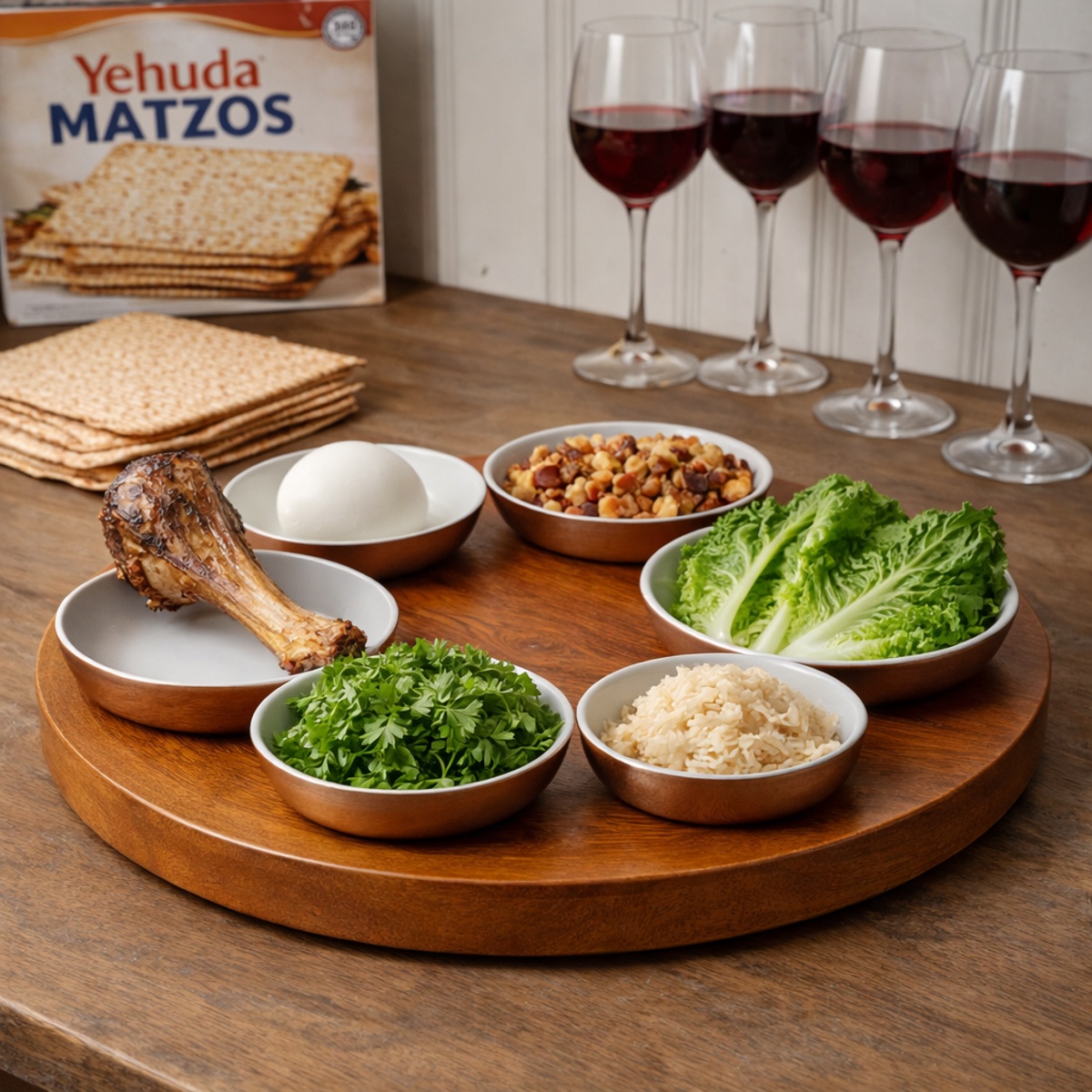
Small bites to wake the palate. "The Sader Plate"
A clear soup that settles everything down.
Then the long-cooked dishes arrive, deeper and richer.
By the time dessert hits the table, the meal has already done its work.
Don't rush it, pace it right, and it will carry you.
The Seder Plate (Understand It Before You Cook)
This isn’t decoration—it’s the opening move:
- Charoset → sweet, textured contrast
- Maror (horseradish) → sharp, nasal heat
- Karpas (parsley + salt water) → fresh + saline
- Zeroa (shank bone) → visual anchor, not eaten
- Beitzah (egg) → richness, soft protein
It wakes up the palate and sets expectation.
Suggested Passover Menu (Built for Execution, Not Show)
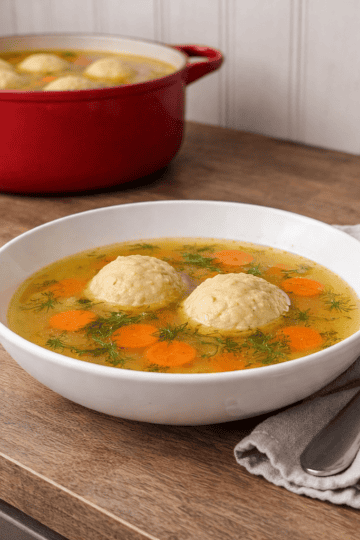
- Matzo Ball Soup (Clear Chicken Broth, Light Dumplings)
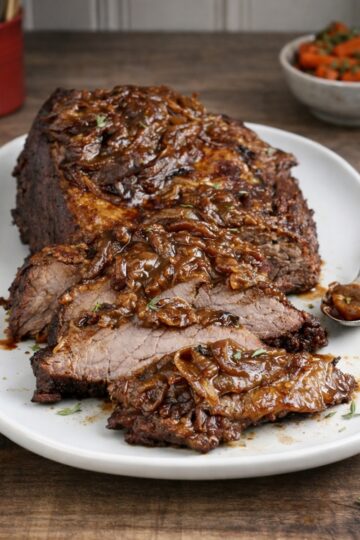
A clean broth does more than start the meal—it steadies it. - Braised Beef Brisket with Onions and Carrots
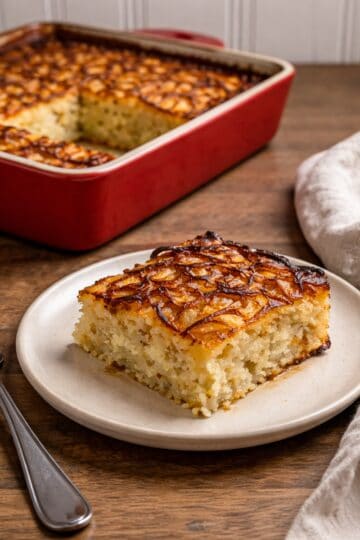
This is the center of the table—slow, patient cooking that rewards you the next day. - Potato Kugel (Crisp Top, Airy Center)
The contrast is the point. Crisp edges, soft interior—nothing in between. - Roasted Carrots with Honey and Dill
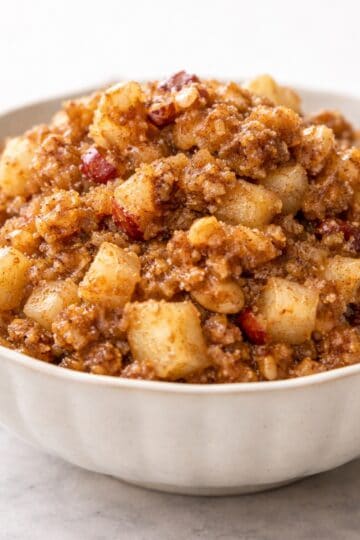
A little sweetness keeps the plate from feeling too heavy. - Apple-Walnut Charoset
Fresh, bright, slightly coarse. It should feel alive on the plate. - Flourless Chocolate Cake
Dense, clean, and just enough to finish the meal without overwhelming it.
Ingredient Intelligence
Matzo (Matzah)
Matzo is often treated like a poor substitute for bread, which is exactly the wrong way to think about it.
It’s flour and water, baked before it has time to rise—before it has time to become anything else. That’s the point. It’s flat, dry, brittle. It doesn’t stretch, it doesn’t hold, and it doesn’t forgive.
The moment liquid hits it, it starts to soften. Push it too far and it collapses completely.
But once you stop expecting it to behave like bread, it becomes useful. It absorbs, it binds, it disappears into a dish when handled correctly.
Matzo isn’t lacking something—it’s asking you to adjust.
Matzo Meal
Take that same matzo and grind it down, and now you’ve got structure—just not the kind most people are used to.
Matzo meal doesn’t behave like flour and it doesn’t behave like breadcrumbs. It drinks in liquid quickly, almost aggressively. Give it too much, and everything tightens. Too little, and things fall apart.
There’s a moment where it comes together—where it binds without becoming dense—and that moment is easy to miss if you’re rushing.
Handled with a little patience, it gives you exactly what you need. Handled carelessly, it shows up in the final dish every time.
Charoset
Charoset is one of the few places on the table where things feel bright.
Apples, nuts, wine—simple ingredients, but they carry more weight than you’d expect. The apples start to brown almost immediately once they’re cut. The texture shifts as it sits. The sweetness changes depending on what you use.
It shouldn’t be smooth. It shouldn’t be overly worked. There’s something important about keeping it a little rough, a little uneven.
It cuts through the richness of the meal without trying too hard. And if you get the balance right, it’s the one thing people keep coming back to between bites.
Maror (Horseradish)
Horseradish doesn’t hit the way people expect.
It’s not the slow burn of chili—it’s sharp, immediate, and it disappears almost as quickly as it arrives. It goes straight to the sinuses, clears everything out, and resets your palate whether you’re ready or not.
Freshly grated, it’s clean and direct. Let it sit too long, and it softens. Buy it prepared, and it’s often been rounded out—vinegar, sugar, a little less edge.
It’s not there to be pleasant. It’s there to interrupt.
Brisket (Beef)
Brisket asks for time, and it doesn’t negotiate.
At first, it’s tough, almost stubborn. All connective tissue and resistance. But give it low heat and enough patience, and it starts to change. The collagen breaks down, the fibers relax, and what was once rigid becomes tender without falling apart.
It’s one of those cuts that improves as it rests. Cook it, cool it, come back to it the next day—and suddenly it slices clean, holds its shape, and tastes deeper.
It rewards restraint. Rush it, and it reminds you why you shouldn’t have.
Eggs
Without flour, eggs carry more than their share of responsibility.
They bind things together, they give lift where there shouldn’t be any, and they add richness that fills in the gaps left by everything else that’s missing.
But they’re sensitive.
Work them too hard and everything tightens. Leave them under-mixed and nothing quite holds. There’s a balance—subtle, but noticeable when you get it right.
Handled gently, they lighten the dish. Handled poorly, they weigh it down.
Potatoes
Potatoes do quiet work.
Grate them, and they release starch almost immediately. Let them sit, and they start to discolor. Handle them too much, and they turn gluey. Handle them just enough, and they hold everything together.
They’re not there for flavor as much as they are for structure—for giving body where flour normally would.
It’s easy to overlook them. It’s even easier to mishandle them.
But when they’re right, the whole dish feels grounded.
Chicken Stock
A good stock doesn’t announce itself—but you notice when it’s missing.
It should be clear, clean, and deep without being heavy. That only happens if you keep the heat under control. Let it boil, and it clouds. Rush it, and it stays flat.
Time does the work here. Slow extraction, gentle heat, careful skimming.
And the fat—leave enough for flavor, remove enough for clarity.
If the stock is right, everything built on top of it feels complete. If it’s not, nothing quite comes together.
Hosting Strategy (Execution Wins Here)
- Brisket → cook day before
- Charoset → make same day
- Soup → hot, clear, ready
- Kugel → bake or reheat for crust
What You Take From This
Passover cooking isn’t about restriction—it’s about attention.
You’re working with fewer tools, fewer shortcuts, fewer places to hide. Which means every decision matters a little more.
Get it right, and the meal doesn’t feel heavy or forced.
It feels grounded. Intentional. Complete.
And that’s the point.
Comments
No Comments