(Yue Cuisine)
Cantonese cuisine is defined by freshness, balance, and precise technique, built to highlight the natural flavor of ingredients rather than mask them. In Guangzhou, dishes like char siu and roast duck establish the region’s reputation for controlled roasting and glaze work, while Hong Kong is known globally for dim sum and refined seafood preparations that emphasize timing and texture. Along the Pearl River Delta, steamed fish and quick stir-fries reflect a cooking style that values clarity and restraint. Together, these centers define Cantonese food as polished, ingredient-driven, and technique-forward, where execution matters more than spice.
Key Ingredients in Cantonese Cuisine
Cantonese cuisine is defined by fresh seafood, pork, and poultry, supported by light soy sauce, oyster sauce, and rice wine. Aromatics such as ginger, scallions, and garlic are used sparingly to enhance rather than mask natural flavors. Ingredients are chosen for freshness and quality, with seasoning kept restrained to preserve clarity and balance.
Key Techniques in Cantonese Cooking
Cantonese cooking rewards control—especially with heat, moisture, and timing.
- Steaming
Ingredients are cooked gently to preserve texture, moisture, and natural sweetness.
You know it from: steamed whole fish with ginger and scallions - Roasting
Meats are air-dried, glazed, and roasted to achieve crisp skin and balanced sweetness.
You know it from: char siu and Cantonese roast duck - Sautéing
Proteins and vegetables are cooked quickly over high heat to maintain color and bite without heavy seasoning.
You know it from: stir-fried shrimp with snow peas - Stocks, Broths & Soups
Clear, long-simmered broths are used to build depth without overpowering the main ingredient.
You know it from: double-boiled herbal soups - Braising & Gentle Cooking
Proteins are cooked carefully in light sauces to add flavor while keeping structure intact.
You know it from: soy-braised chicken
Featured Cantonese Chinese Recipes
-
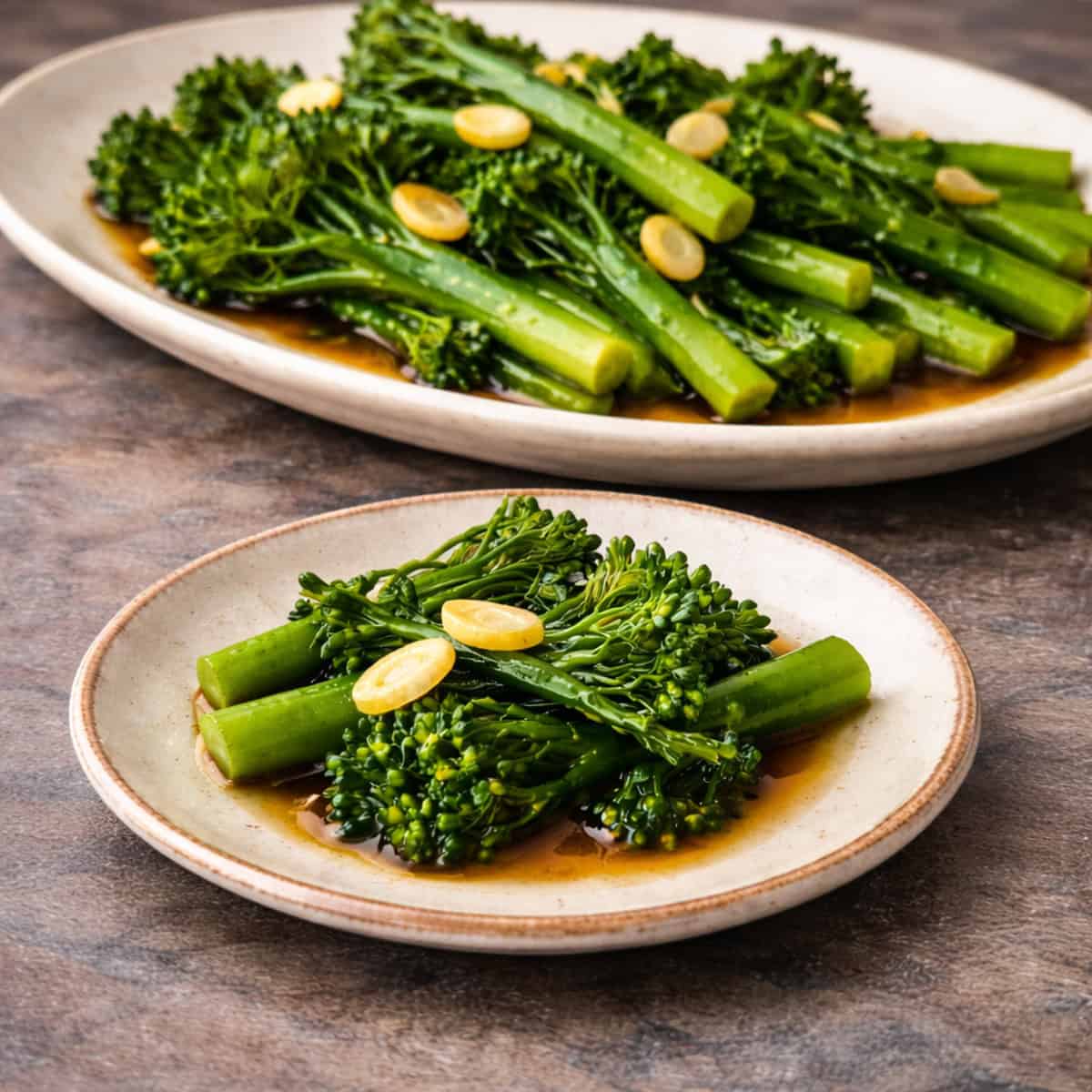
Chinese Greens with Garlic | Gai Lan or Yu Choy

Chinese greens with garlic are everyday Chinese cooking: blanched, finished with oil, and served hot to keep the rest of the table in balance. Gai lan (芥兰) and yu choy […]
-
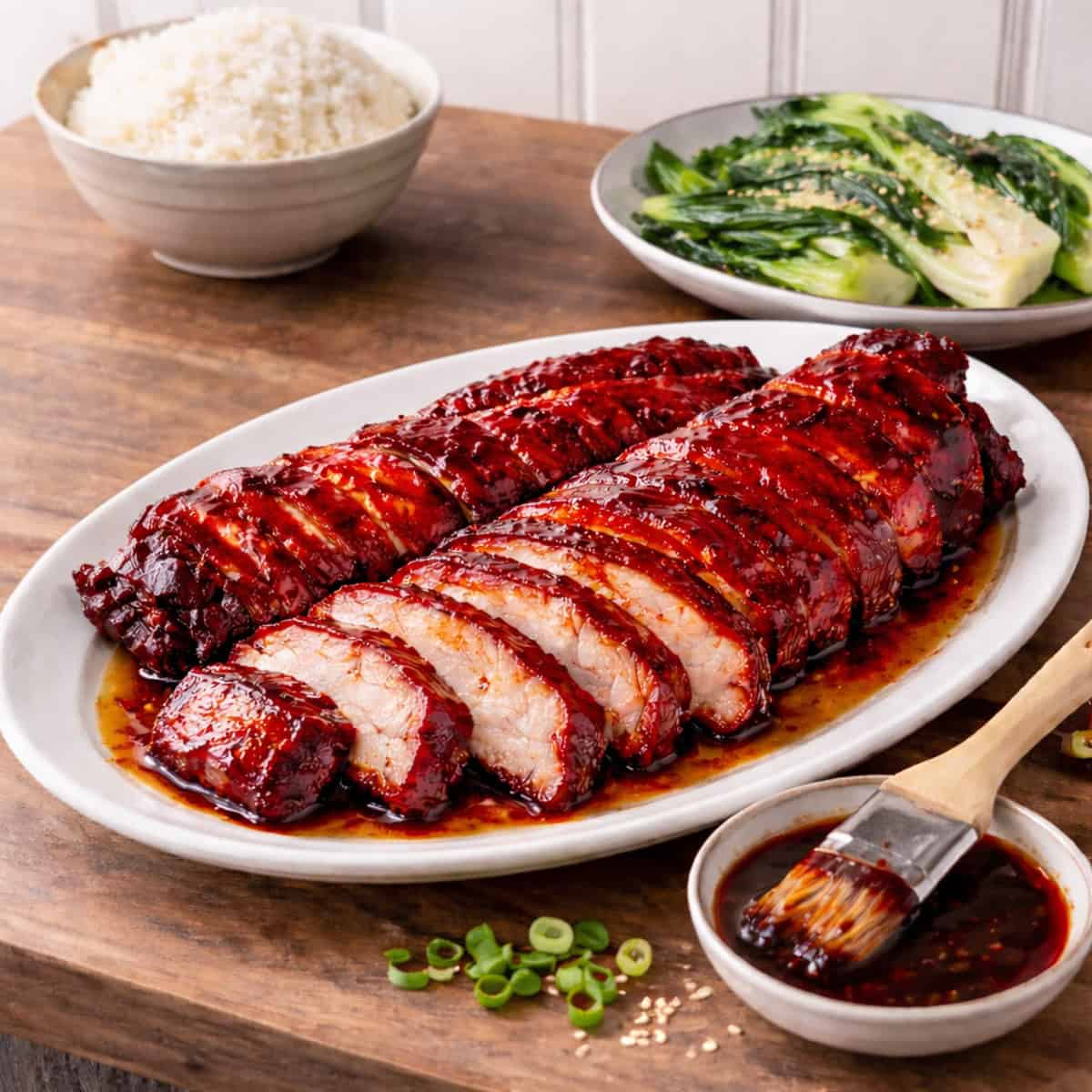
Char Siu(叉烧)
Char siu is the smell that makes you stop walking. Sweet smoke drifting out of a Chinatown window. Pork hanging in lacquered strips, edges darkened just enough to flirt with […]
-
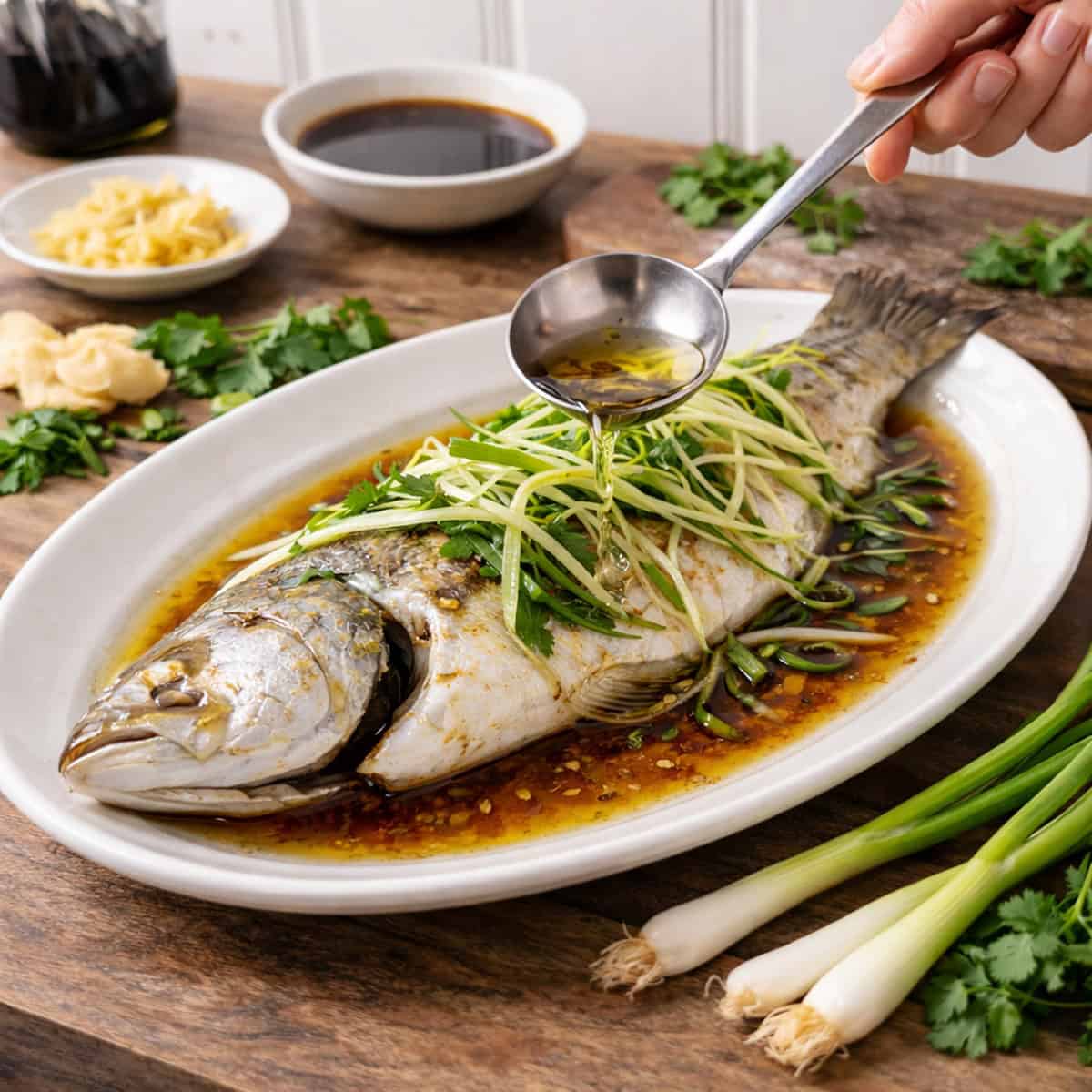
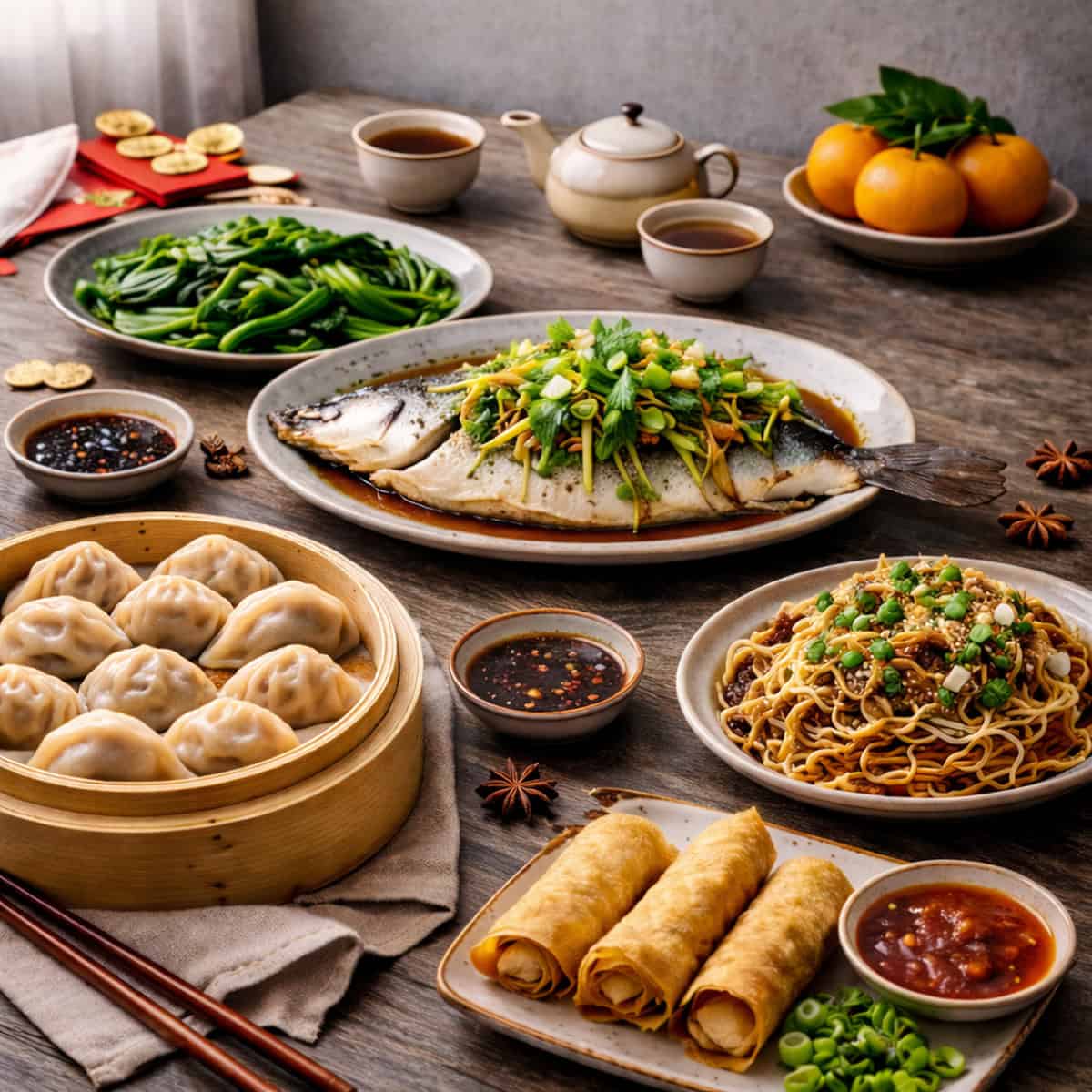
Steamed Whole Fish(清蒸全鱼)
There’s a moment, just before a steamed whole fish hits the table, when the lid comes off and the room smells like ginger and clean heat. Not sauce. Not oil. […]
-
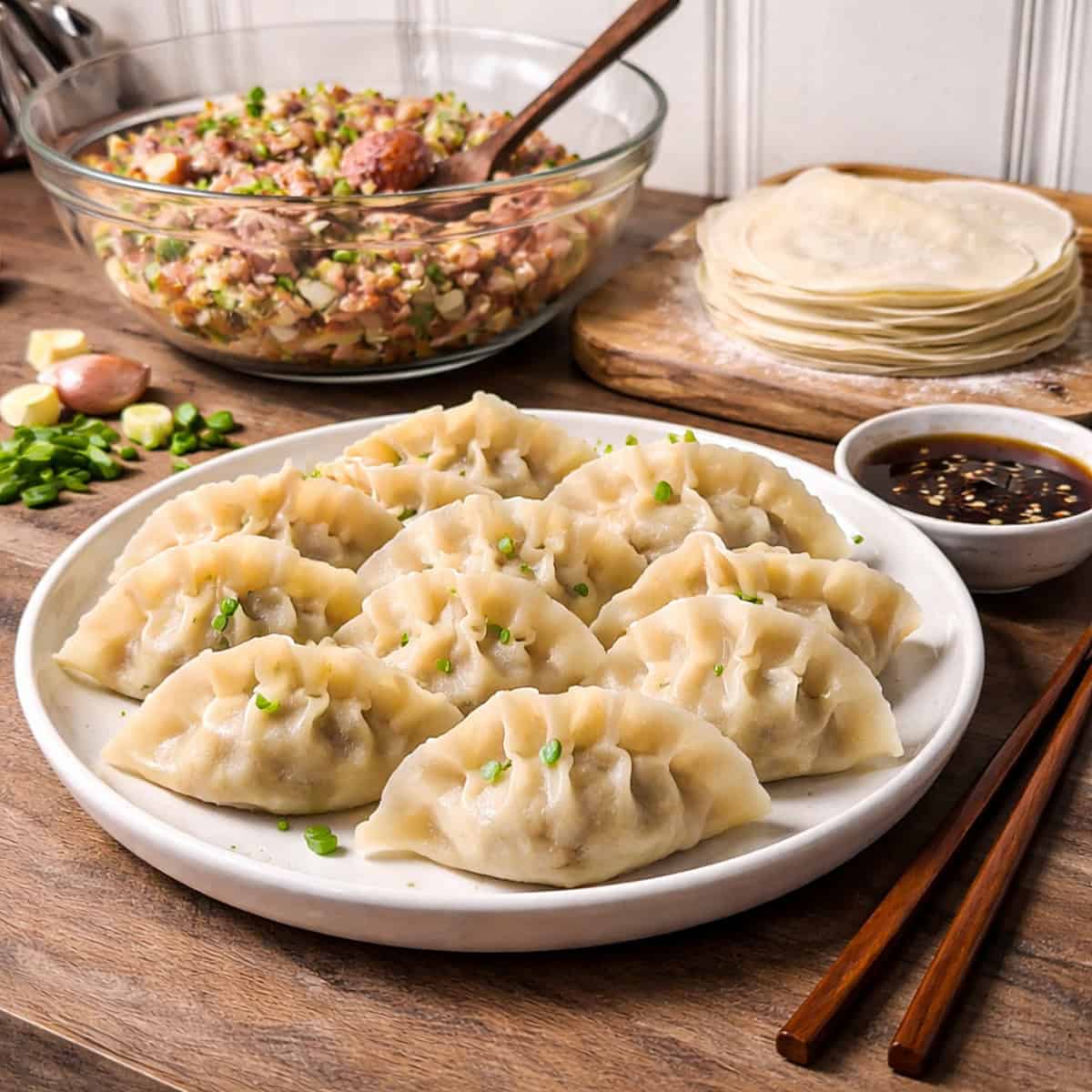
Jiaozi Dumplings(饺子)
Jiaozi are not party food. They’re not appetizers. They’re dinner — the kind of dinner that involves a table, a rhythm, and usually more hands than one. In northern China, […]
-
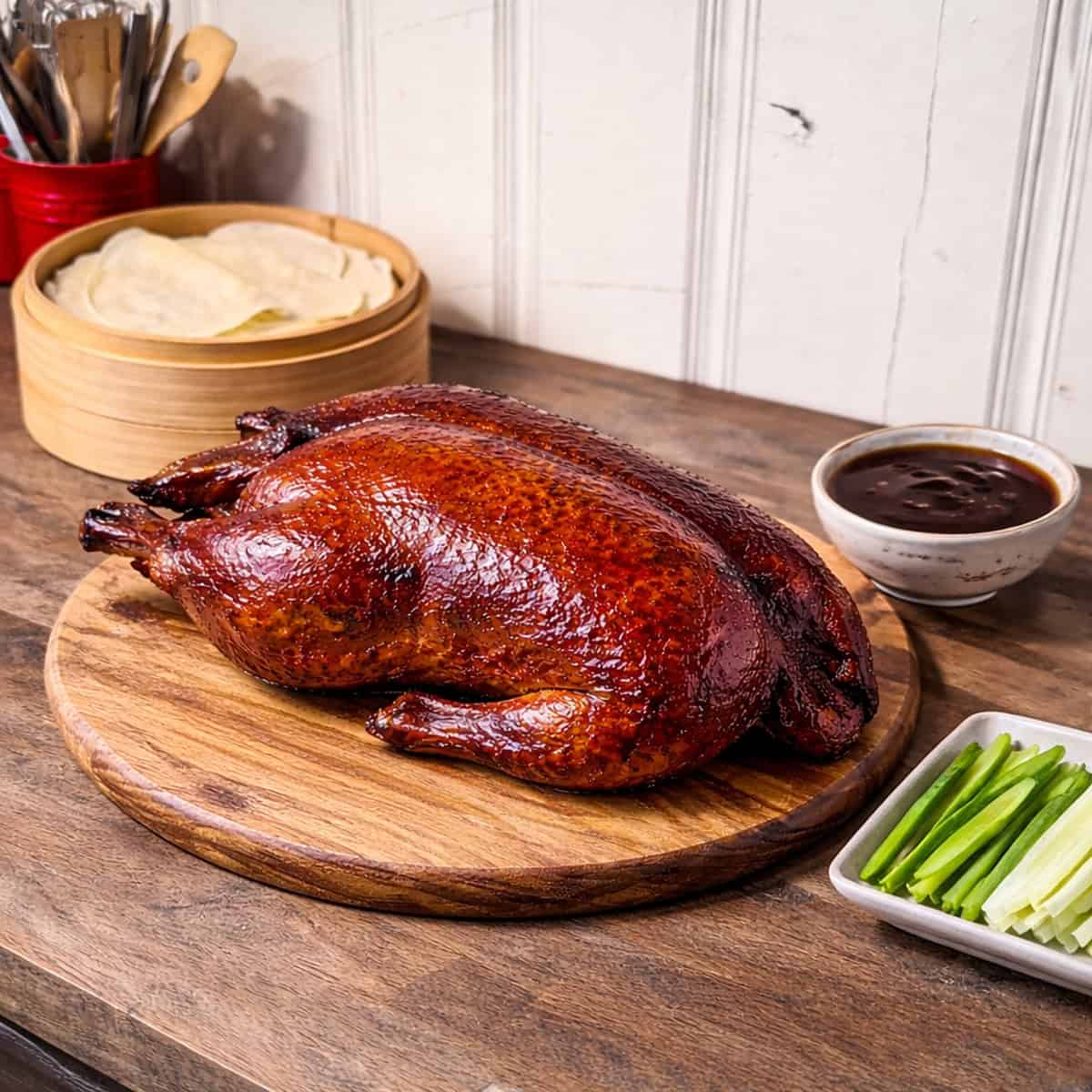
Peking Duck(北京烤鸭)
The first time you eat proper Peking Duck, you don’t think about flavor. You think about sound. The skin cracks when it’s cut. Not crunches — cracks. The room goes […]
-
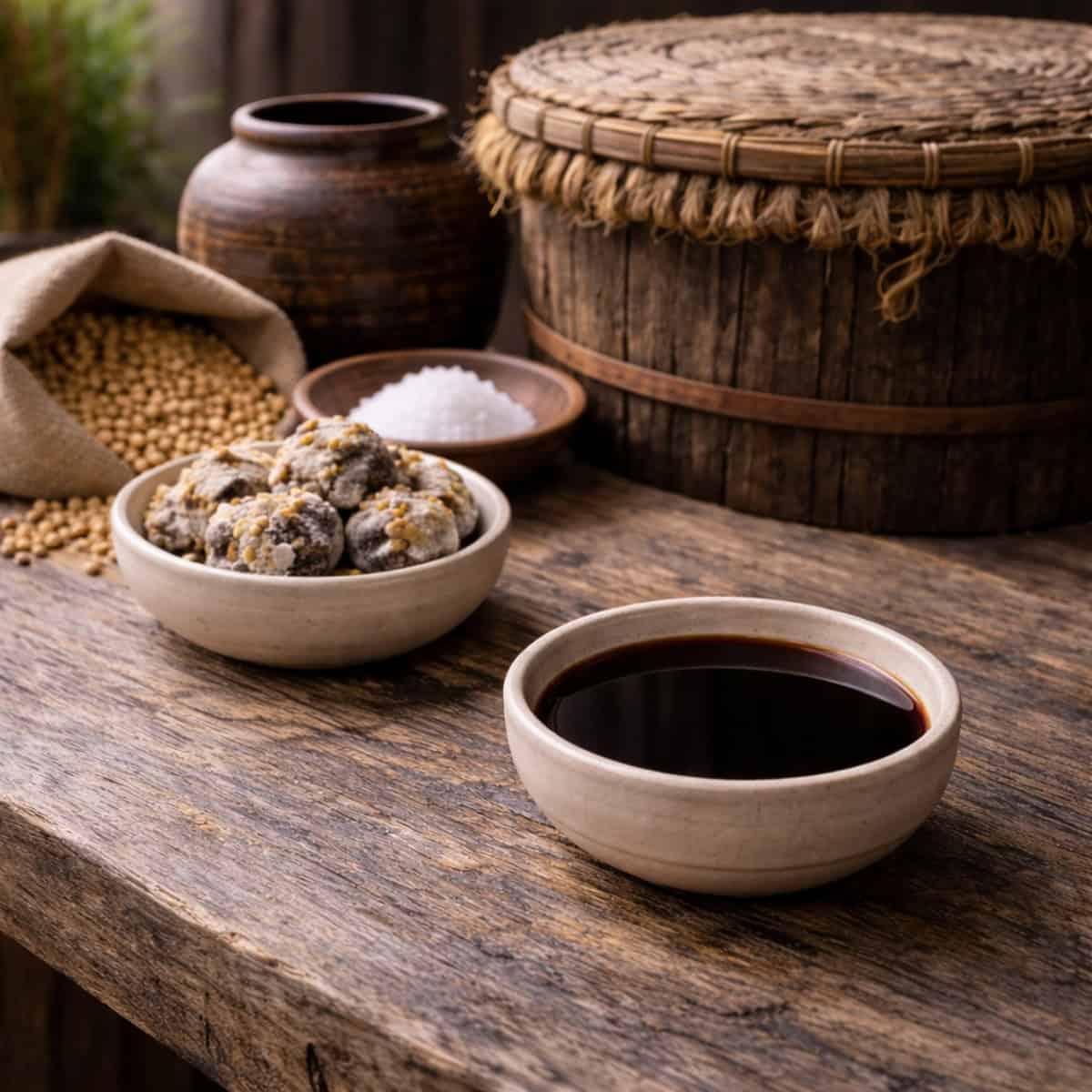
Soy Sauce: The Quiet Power Broker of the Pantry
Soy sauce is not a condiment. It’s a process. A liquid archive of microbes, time, salt, and human patience. It looks simple—dark, salty, obedient—but it carries more regional identity than […]
-
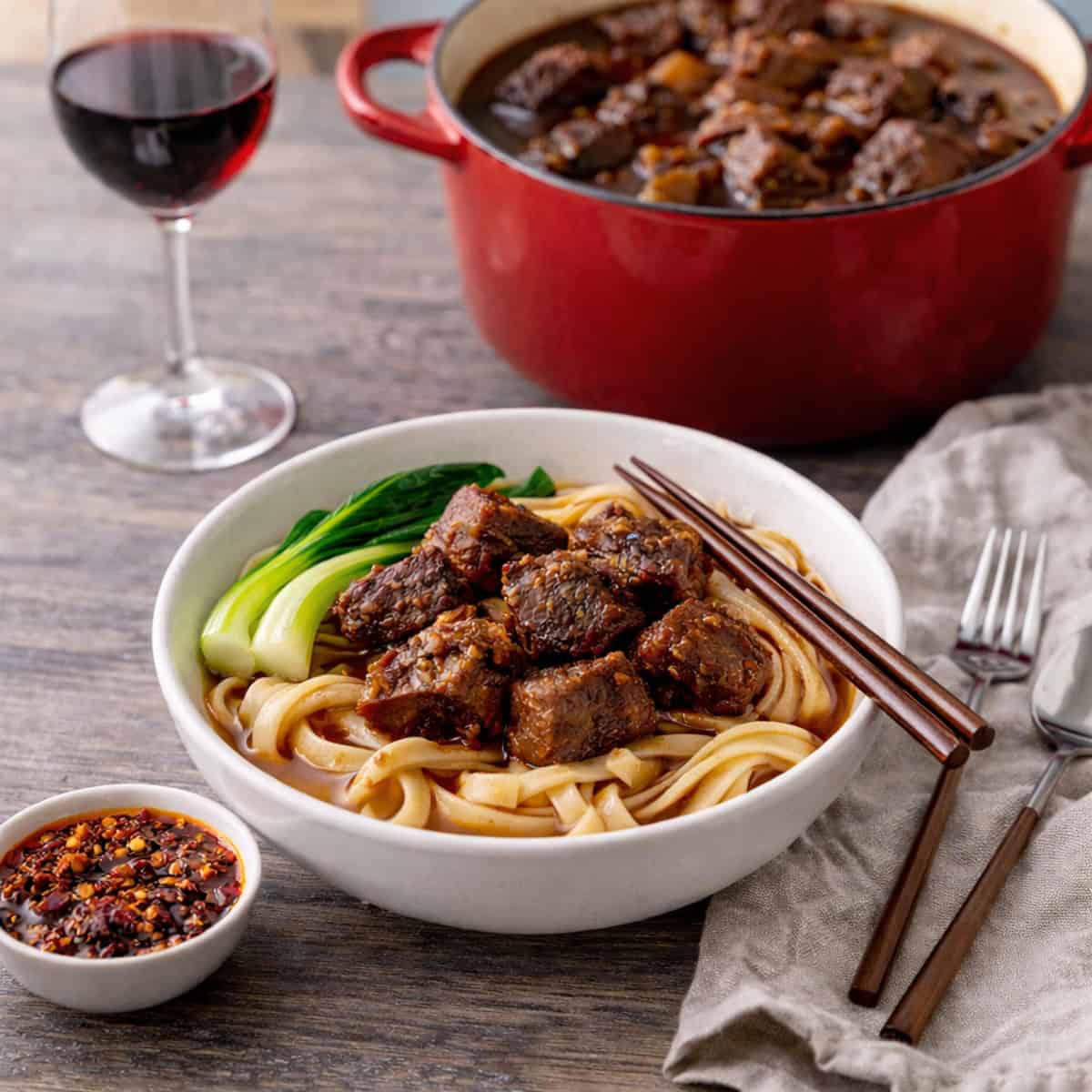
Braised Red Beef Noodles (Hóng Shāo Niú Ròu Miàn)
红烧牛肉面 This is not fast food. It’s not weeknight food. It’s the kind of bowl you commit to because the payoff is worth the wait. Braised red beef noodles are […]
-
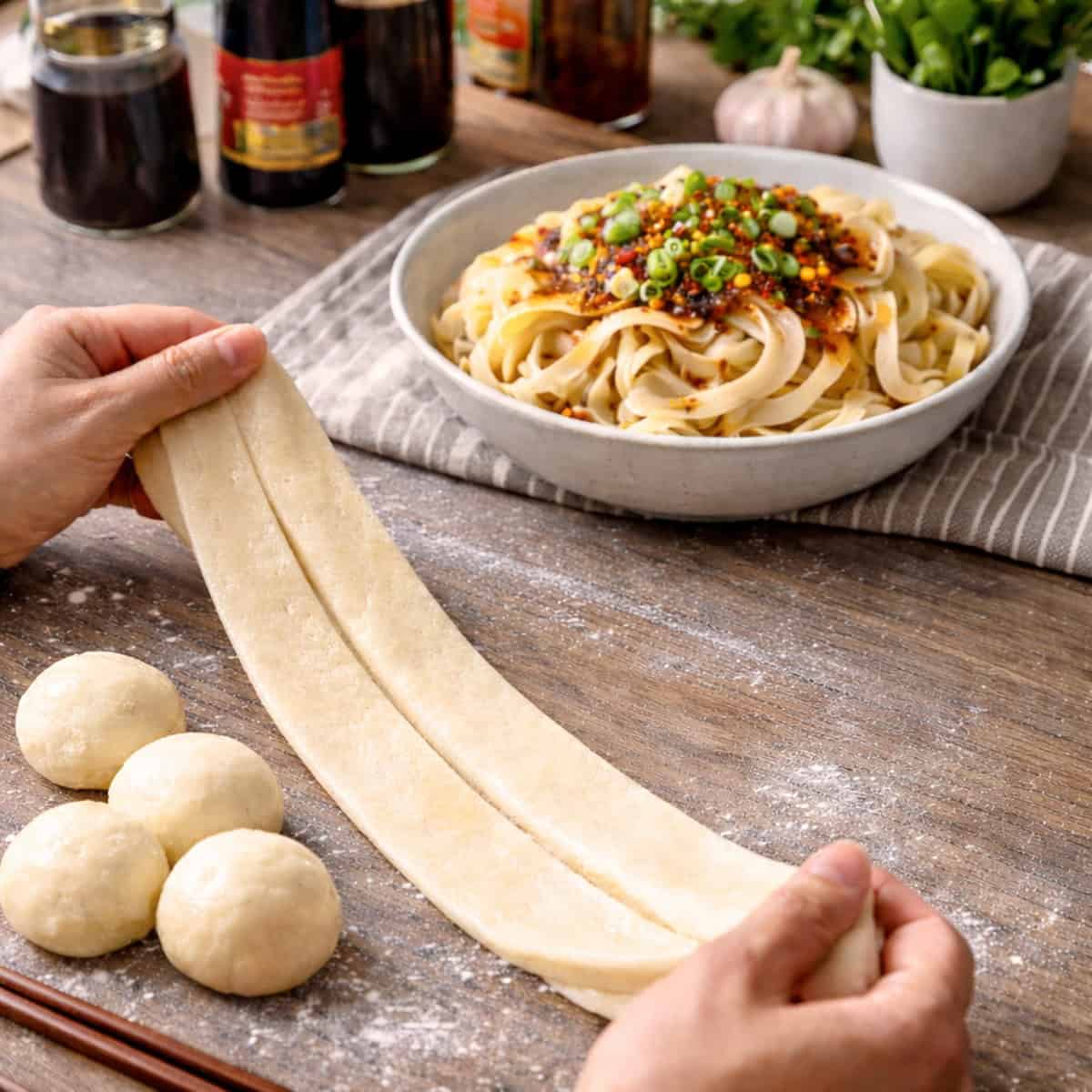
Long Life Noodles (Biáng Biáng Miàn)
长寿面) These noodles arrive wide, long, and unapologetic, demanding attention and a little respect from the person eating them. Xi’an-style long noodles are wheat and muscle and heat—slapped into shape […]
-
Chinese Lunar New Year | Spring Festival
Chinese Lunar New Year is centered around food that’s meant to be shared.Certain dishes—dumplings, long noodles, whole fish—are cooked not for show, but because they’ve long been part of welcoming […]
-
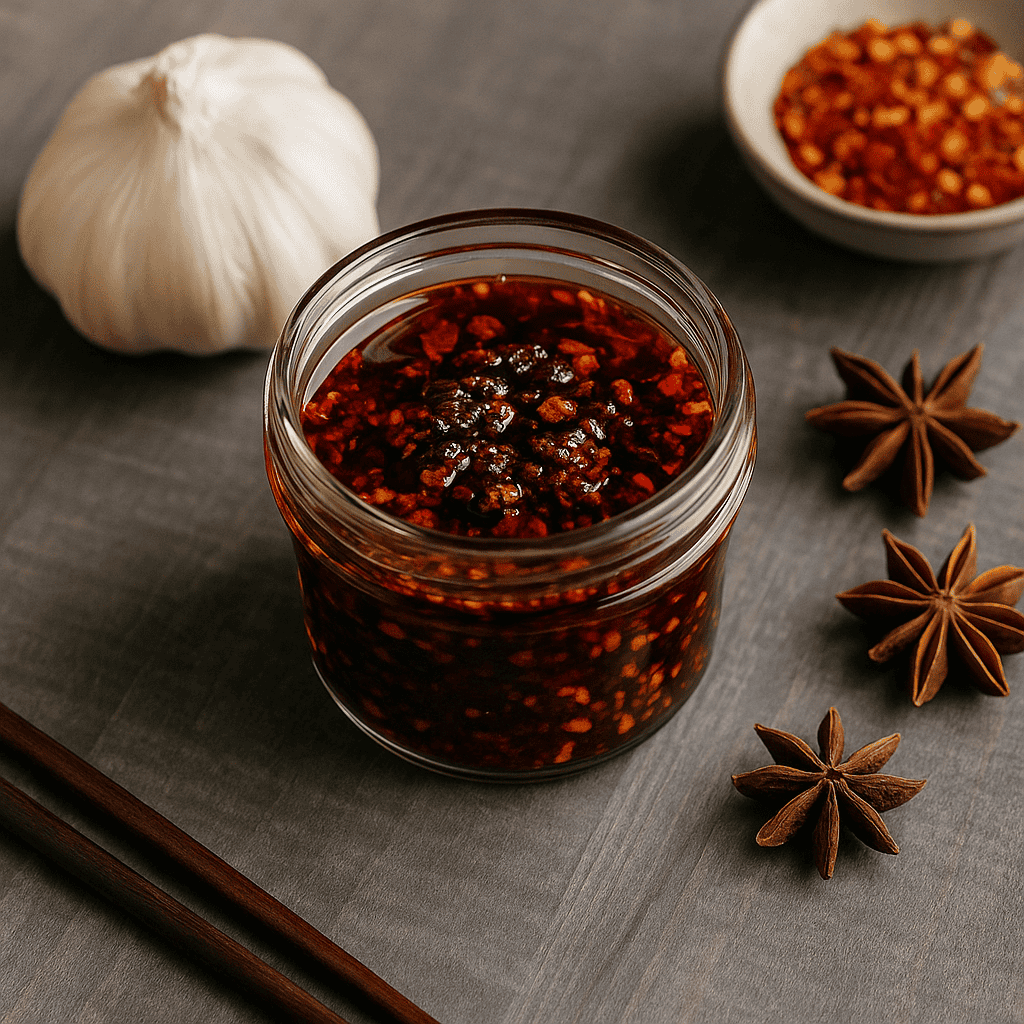
Garlic Chili Crunch Oil

This isn’t condiment-as-accessory. This is the heartbeat of Sichuan food. Garlic chili crunch oil doesn’t sit politely on the table waiting for attention. It demands it. A drizzle turns plain […]