Sardinian cuisine is shaped by pastoral life, hard wheat, and preservation-driven cooking, with traditions that differ sharply from mainland Italy. In Cagliari, dishes like fregola con arselle highlight toasted grains and coastal shellfish, while Nuoro represents the island’s interior with porceddu—slow-roasted suckling pig seasoned simply and cooked patiently. Across the island, breads like pane carasau and cheeses like pecorino sardo anchor everyday meals. Together, these centers define Sardinian food as direct, rustic, and technique-driven—built for longevity, not embellishment.
Key Ingredients in Sardinian Cuisine
Sardinian cuisine is built around sheep’s milk cheeses, particularly pecorino, alongside durum wheat, barley, and flatbreads. Lamb, goat, and pork are common proteins, supported by legumes, herbs, and olive oil used with restraint. Ingredients emphasize preservation, durability, and nourishment rooted in pastoral life.
Key Techniques in Sardinian Cooking
Sardinian cooking values durability, clarity, and time.
- Bread & Dough
Hard wheat doughs are rolled thin and baked crisp to create breads that store well and carry meals.
You know it from: pane carasau - Roasting
Meats are roasted slowly over steady heat to render fat and develop deep flavor without sauces.
You know it from: porceddu - Rice & Grains
Grains are toasted before cooking to add nutty depth and structure to simple preparations.
You know it from: fregola con arselle - Curing & Preservation
Milk and meat are preserved through aging and drying to form the backbone of the island’s cooking.
You know it from: pecorino sardo–based dishes
-
Pane di San Giuseppe — St. Joseph's Bread
The Bread That Doesn’t Need Sugar to Matter Some breads are built to impress. This one was built to survive. Across Sicily, In southern Italy—this bread appears on the table […]
-
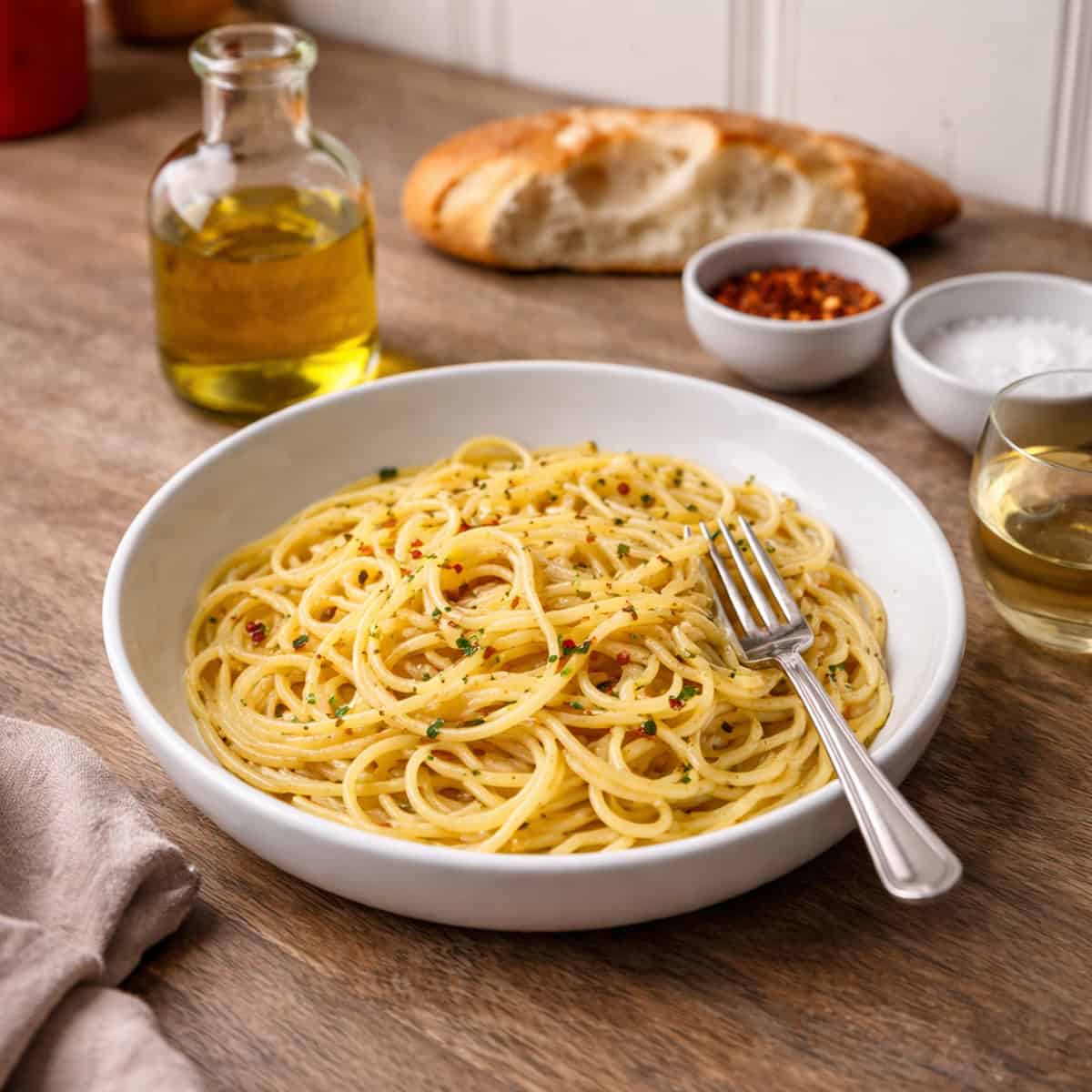
Authentic Spaghetti Aglio e Olio | Italian Garlic & Olive Oil Pasta

Spaghetti aglio e olio is what you cook when the pantry looks bare but dinner still matters. Olive oil, garlic, dried chili, and pasta — nothing decorative, nothing hidden, nothing […]
-
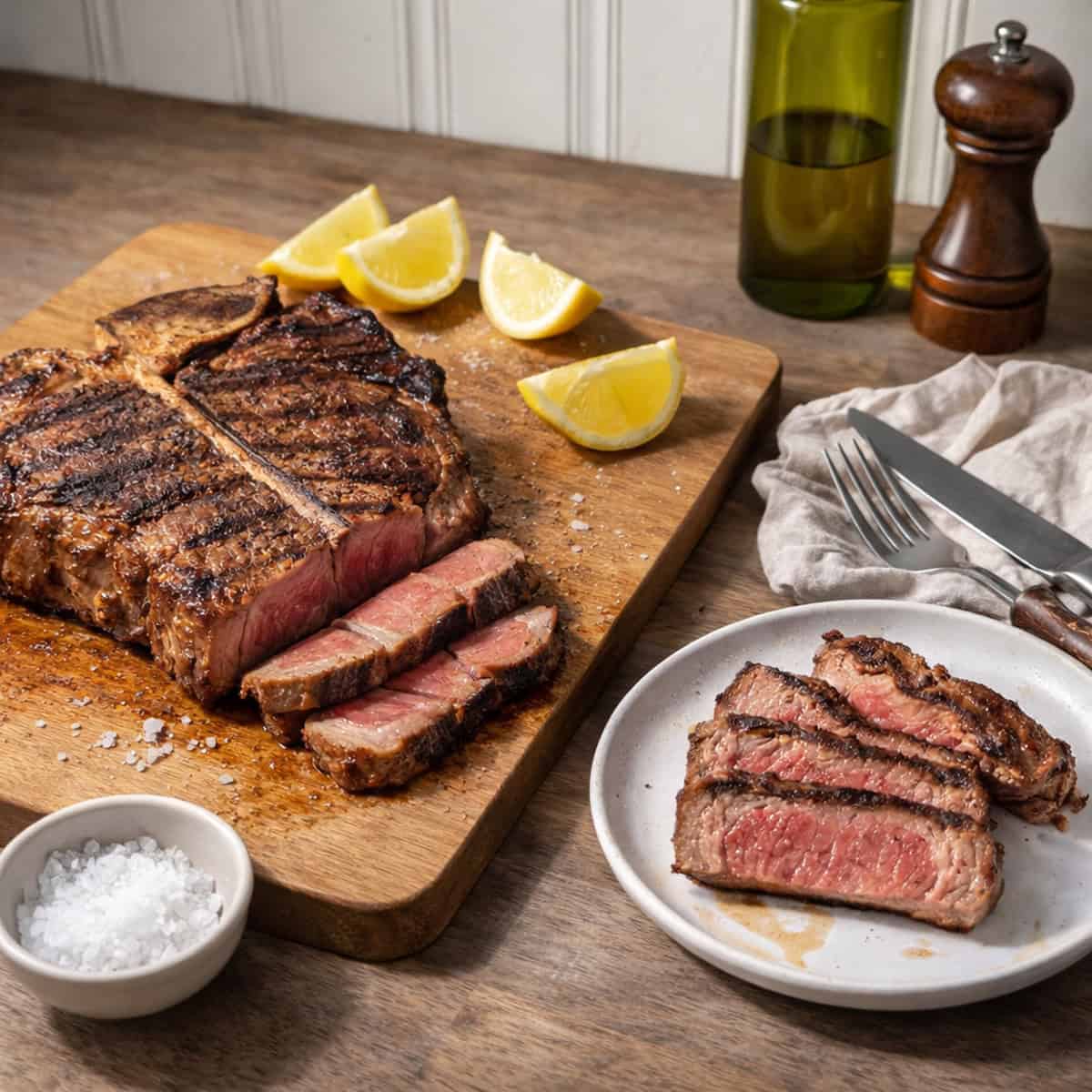
Bistecca alla Fiorentina
Bistecca alla Fiorentina isn’t about seasoning, sauces, or clever technique. It’s about a massive cut of beef, fierce heat, and knowing when to stop interfering. Why This Dish Matters In […]
-
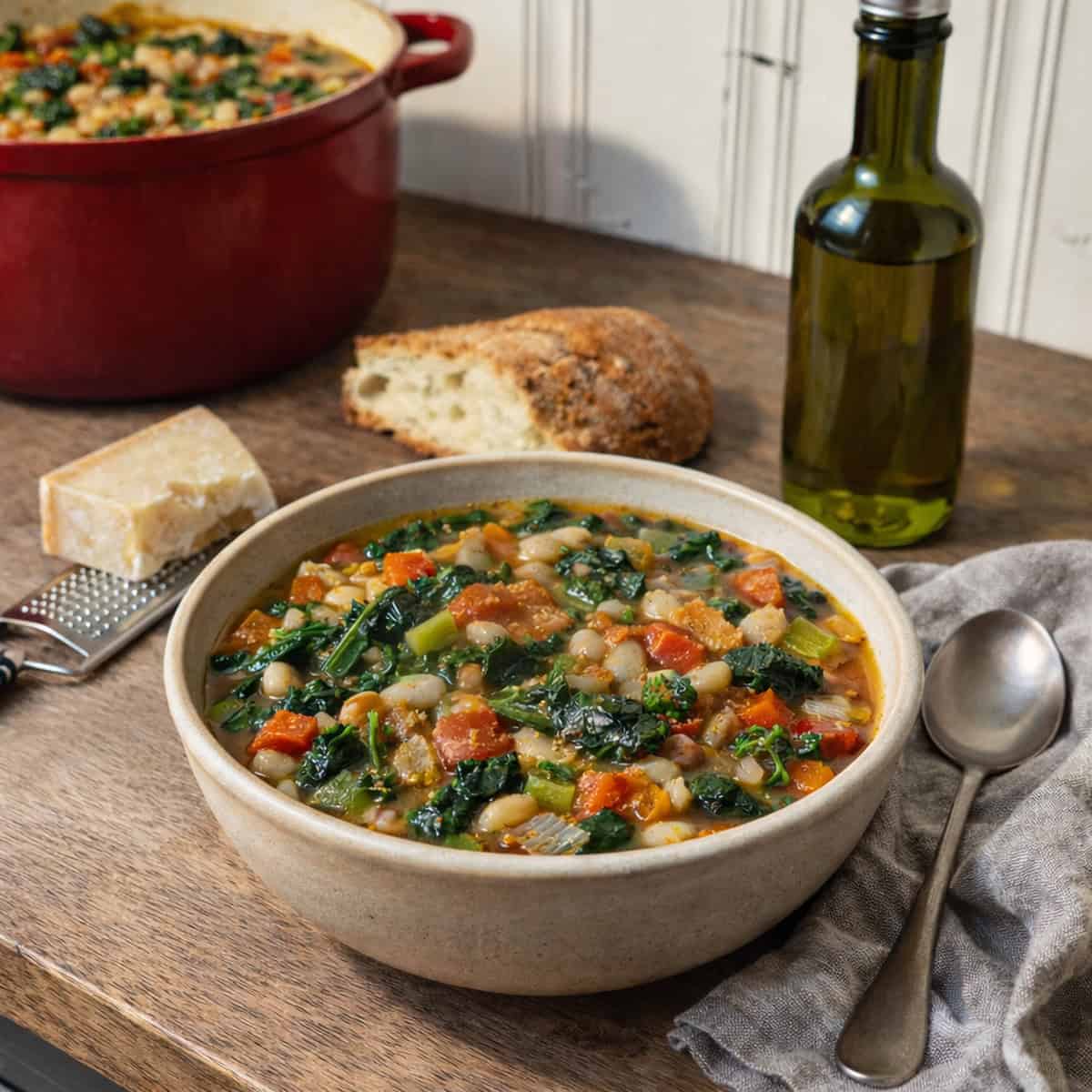
Ribollita (Tuscan Bread and Vegetable Soup)
Ribollita is not a soup you “invent.” It’s a soup you inherit. Born out of necessity in Tuscany, ribollita is what happens when yesterday’s bread, yesterday’s beans, and whatever vegetables […]
-
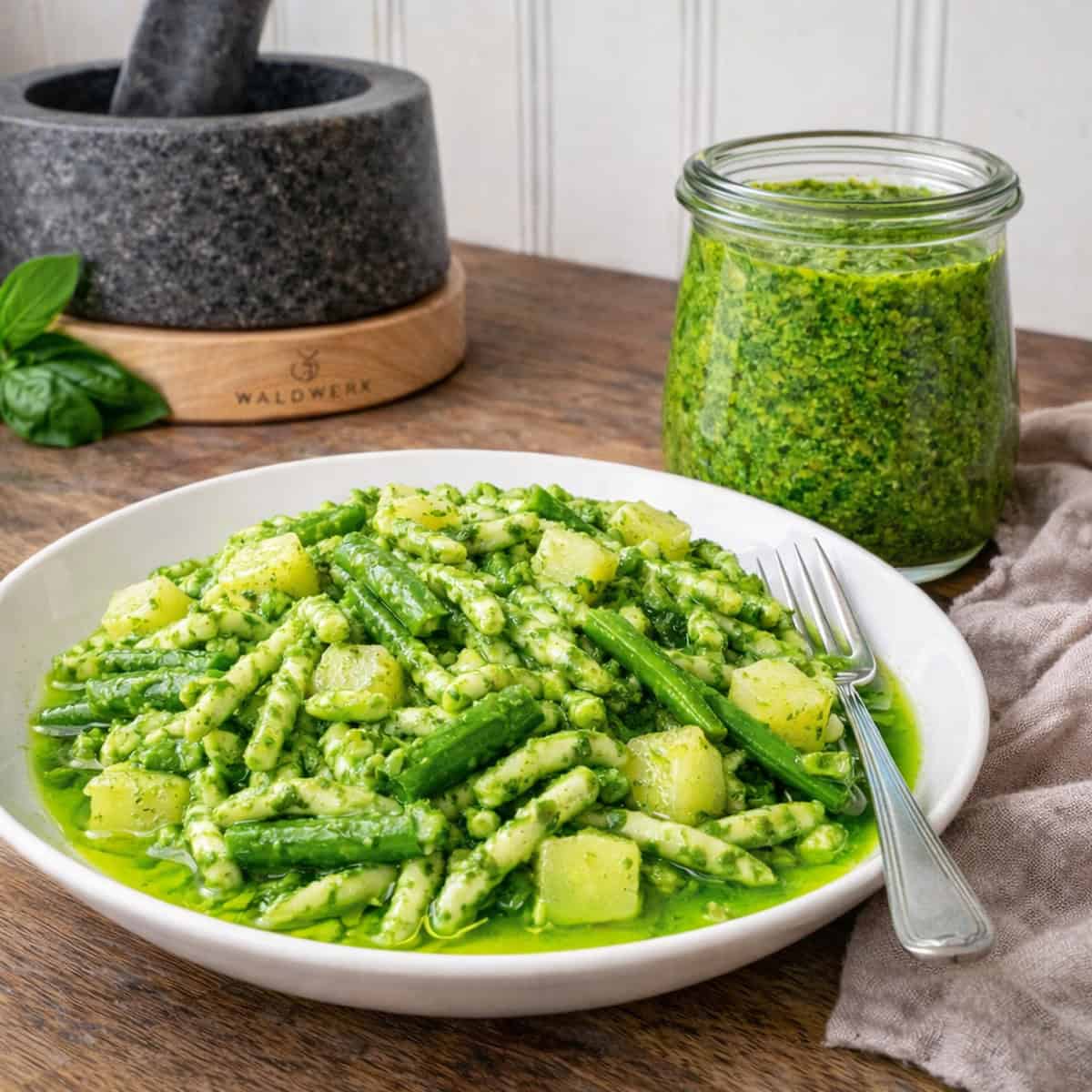
Pesto Genovese (The Real Thing)
Pesto Genovese doesn’t need fixing, It doesn’t need lemon, cream, spinach, walnuts, or clever substitutions meant to make it louder or greener or more “interesting.” It exists because basil grows […]
-
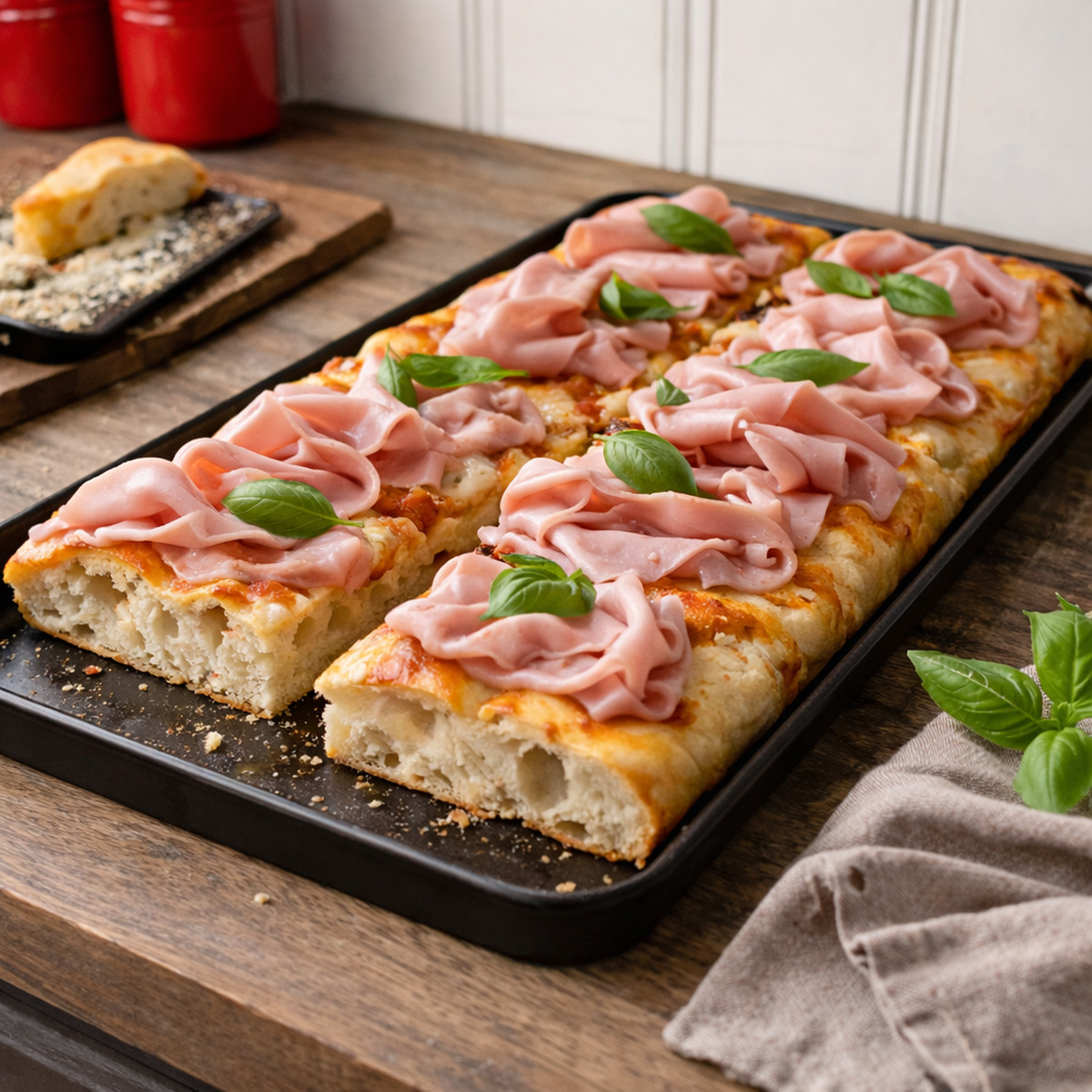
Roman Pizza an Oven bake alternitive to a pizza oven
(Pizza in Teglia Romana) Roman pizza doesn’t chase attention. It earns it. This is pizza built on dough — how it’s mixed, how it rests, how it’s handled, and how […]
-
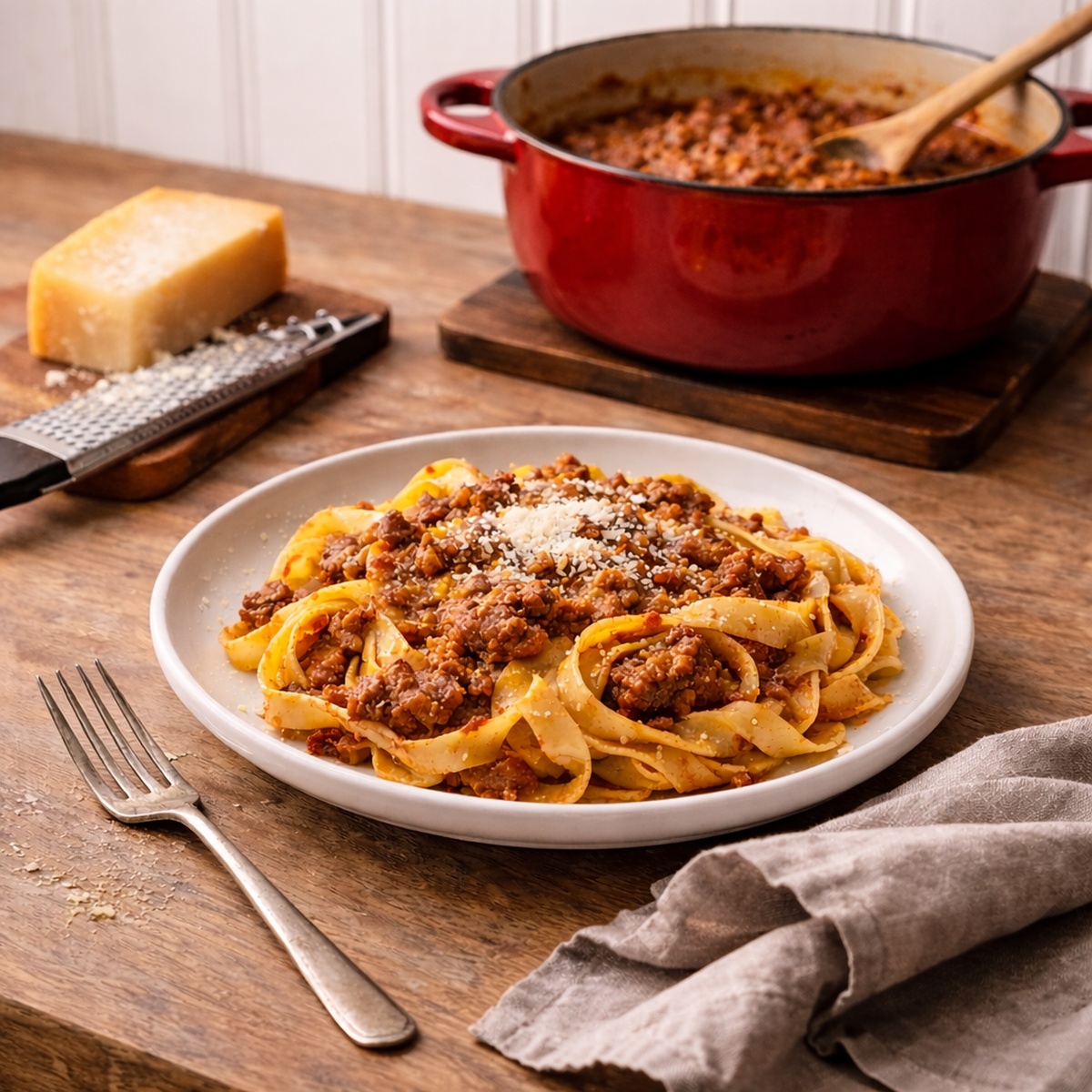
Bolognese (Ragù alla Bolognese)
A traditional ragu alla Bolognese, slow cooked with beef and pork until it settles in over time. There’s no big reveal, no glossy finish, no reason to Instagram it halfway […]
-
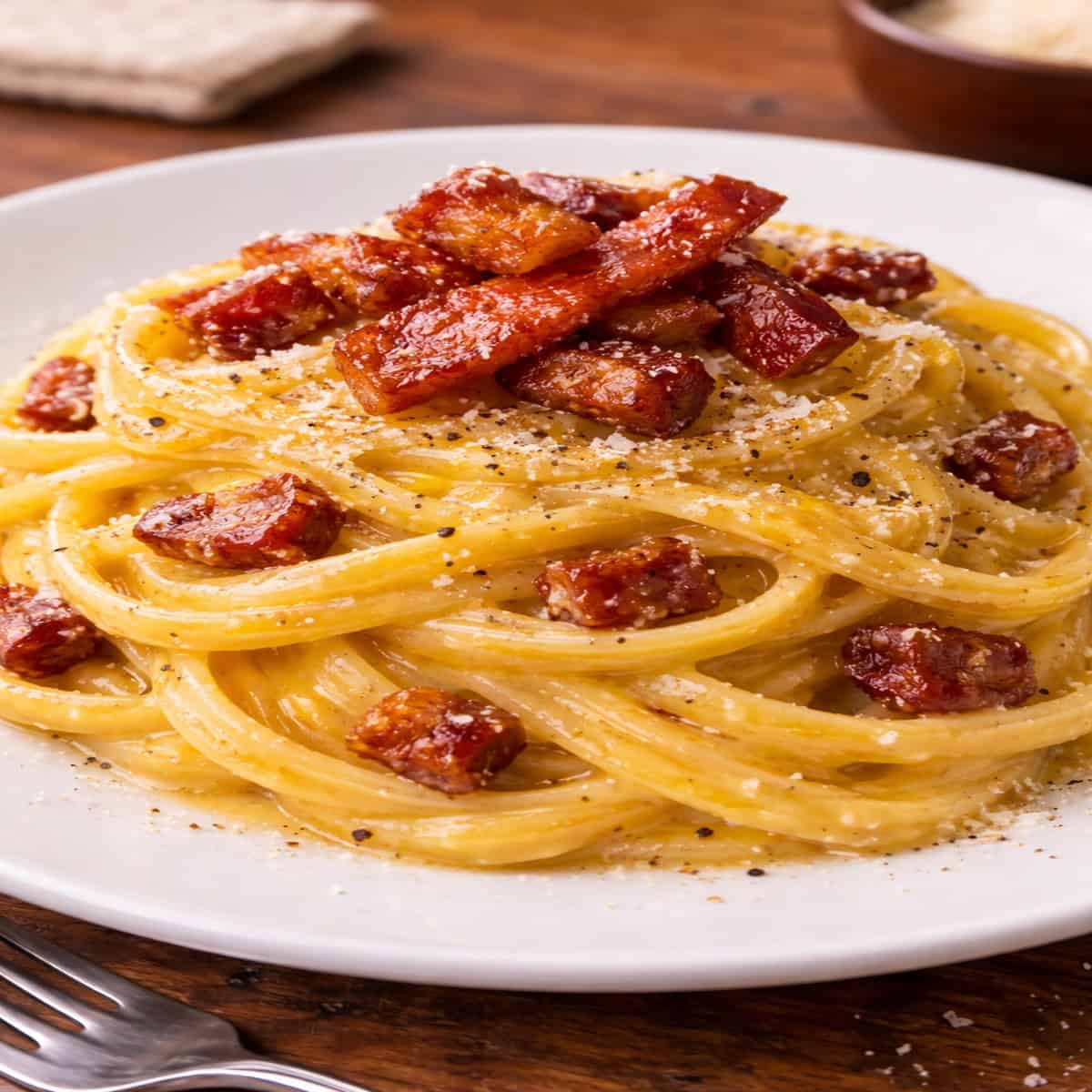
Carbonara with Fresh Pasta
Carbonara is a trust exercise. Trust in ingredients. Trust in timing. Trust that you don’t need cream, garlic, peas, or clever substitutions to make something deeply satisfying. When carbonara goes […]
-
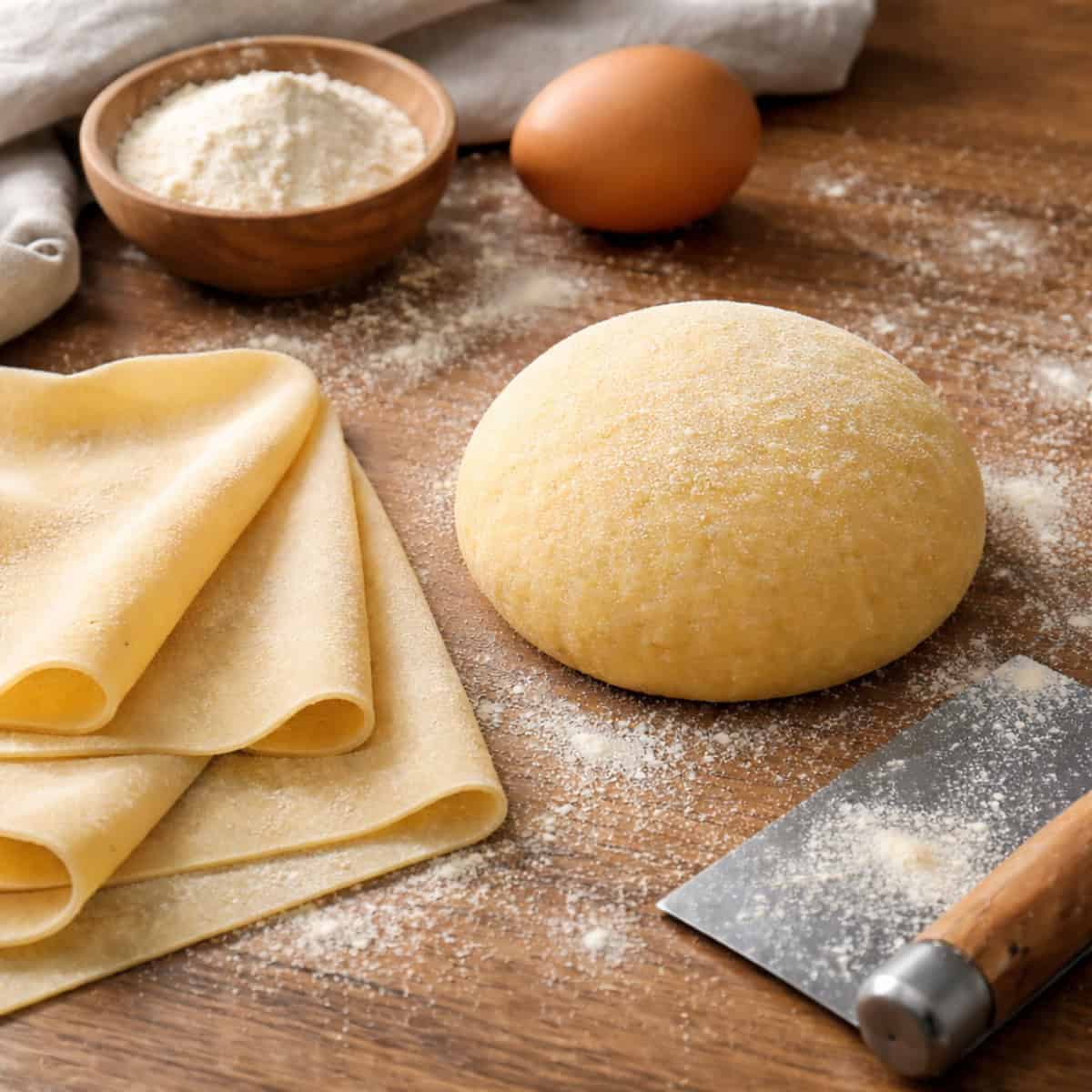
Basic Pasta Dough (By Hand or Food Processor)
Fresh pasta doesn’t ask for much. Flour, eggs, pressure, and time. What it does ask for is attention — especially at the beginning, when the dough tells you exactly what […]
-
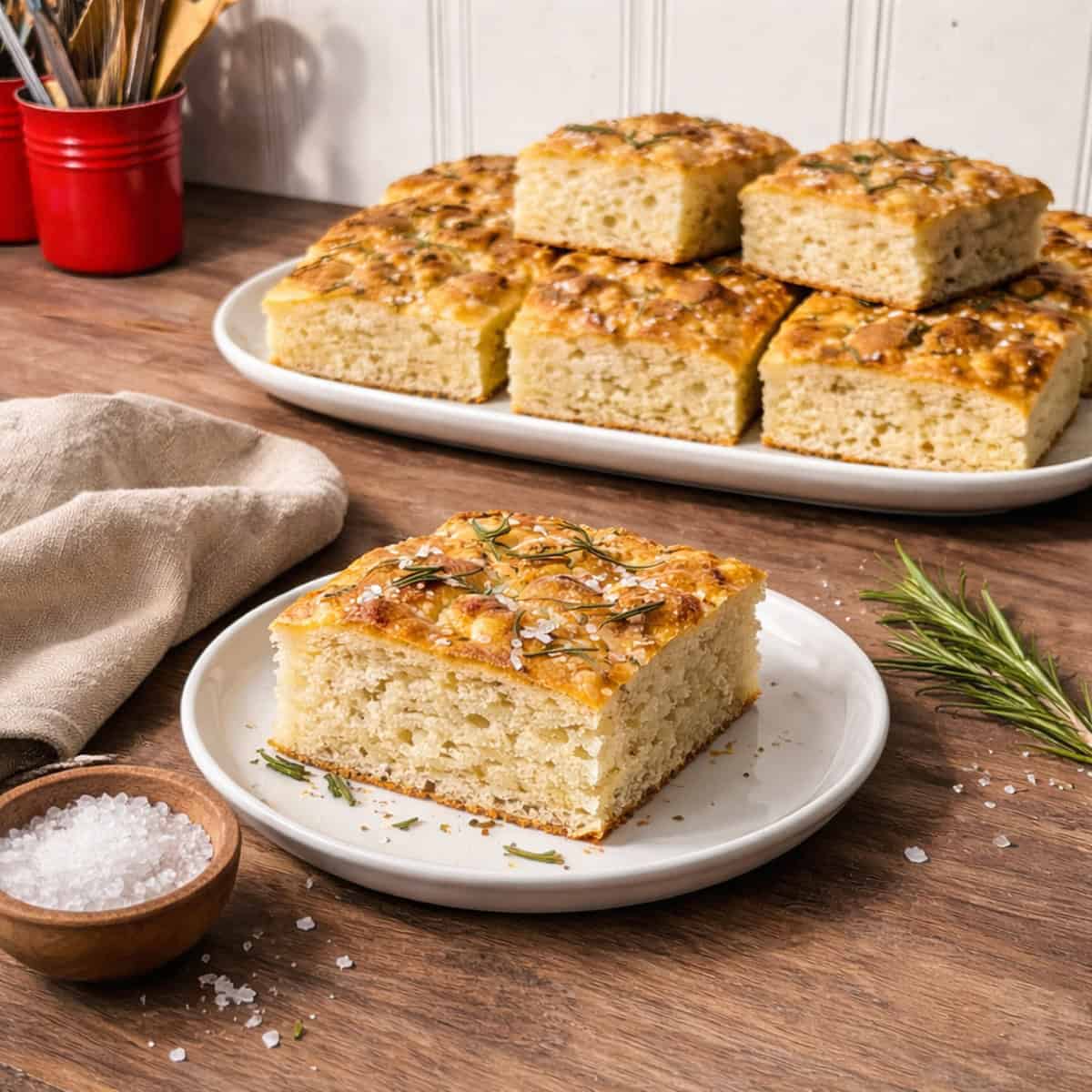
Focaccia (Same-Day Bake or Overnight Ferment)
Focaccia is forgiving, but it isn’t casual. It looks relaxed — olive oil, dimples, salt — but what gives it character happens long before the oven turns on. Fermentation, timing, […]
-
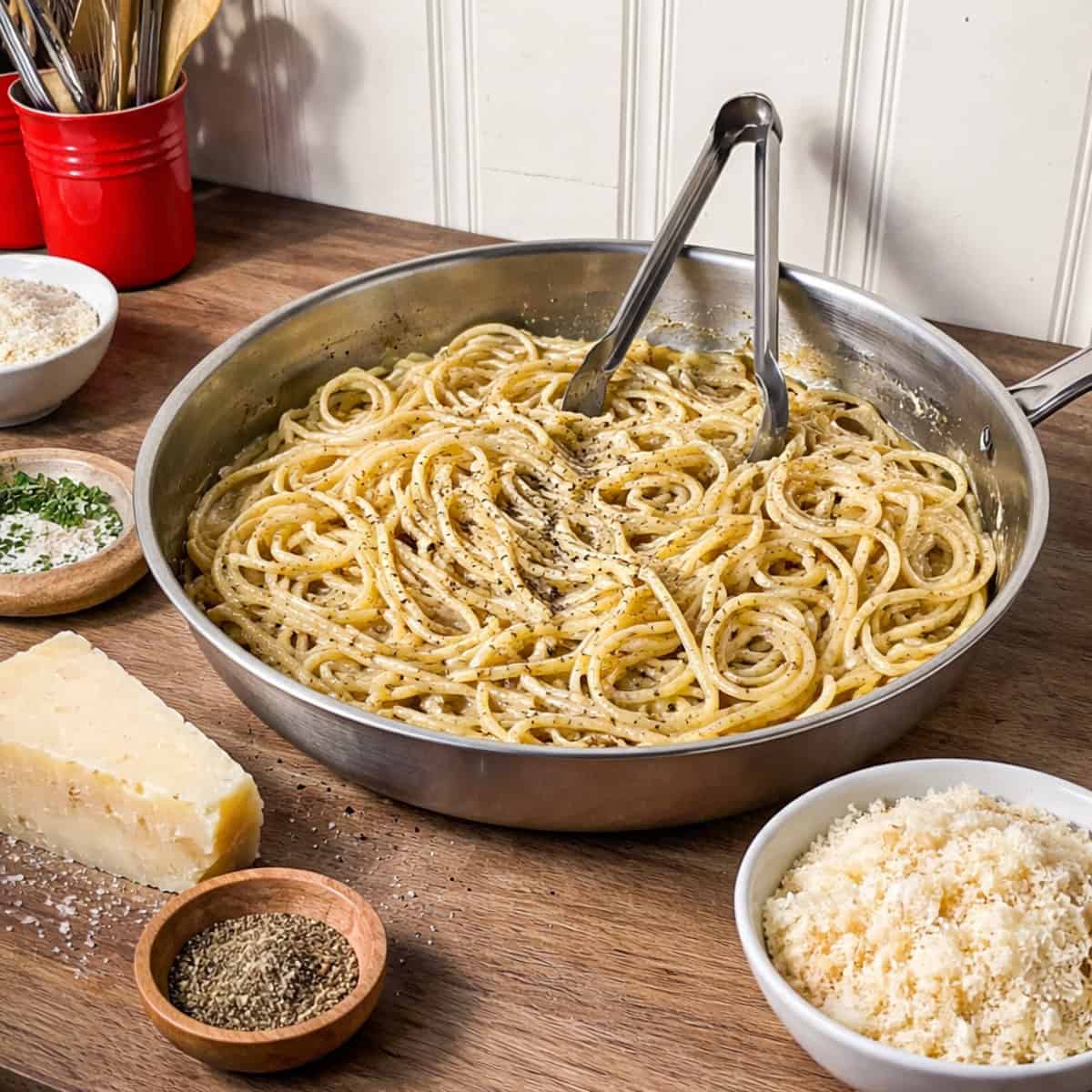
Cacio e Pepe (Roman Cheese & Pepper Pasta)
Cacio e Pepe is one of those dishes that looks simple enough to invite carelessness. Pasta, cheese, pepper — it reads like a shrug. And yet it’s one of the […]
-
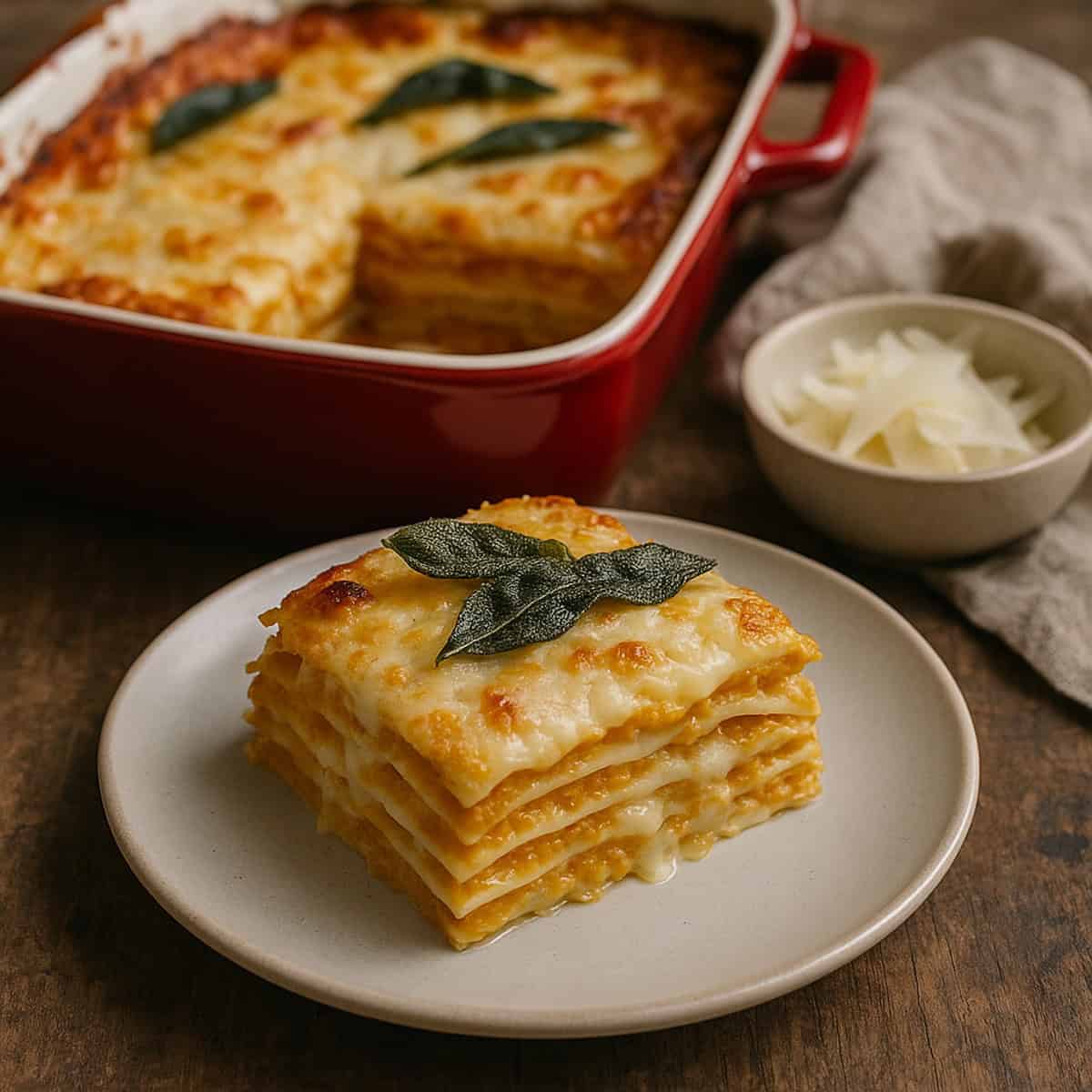
Butternut Squash Lasagna - Cozy Fall Favorite
You’ll Love This Butternut Squash Lasanga Recipe Butternut squash lasagna is a fall twist on classic Italian comfort food. Instead of a tomato-based sauce, this recipe uses roasted squash blended […]
-
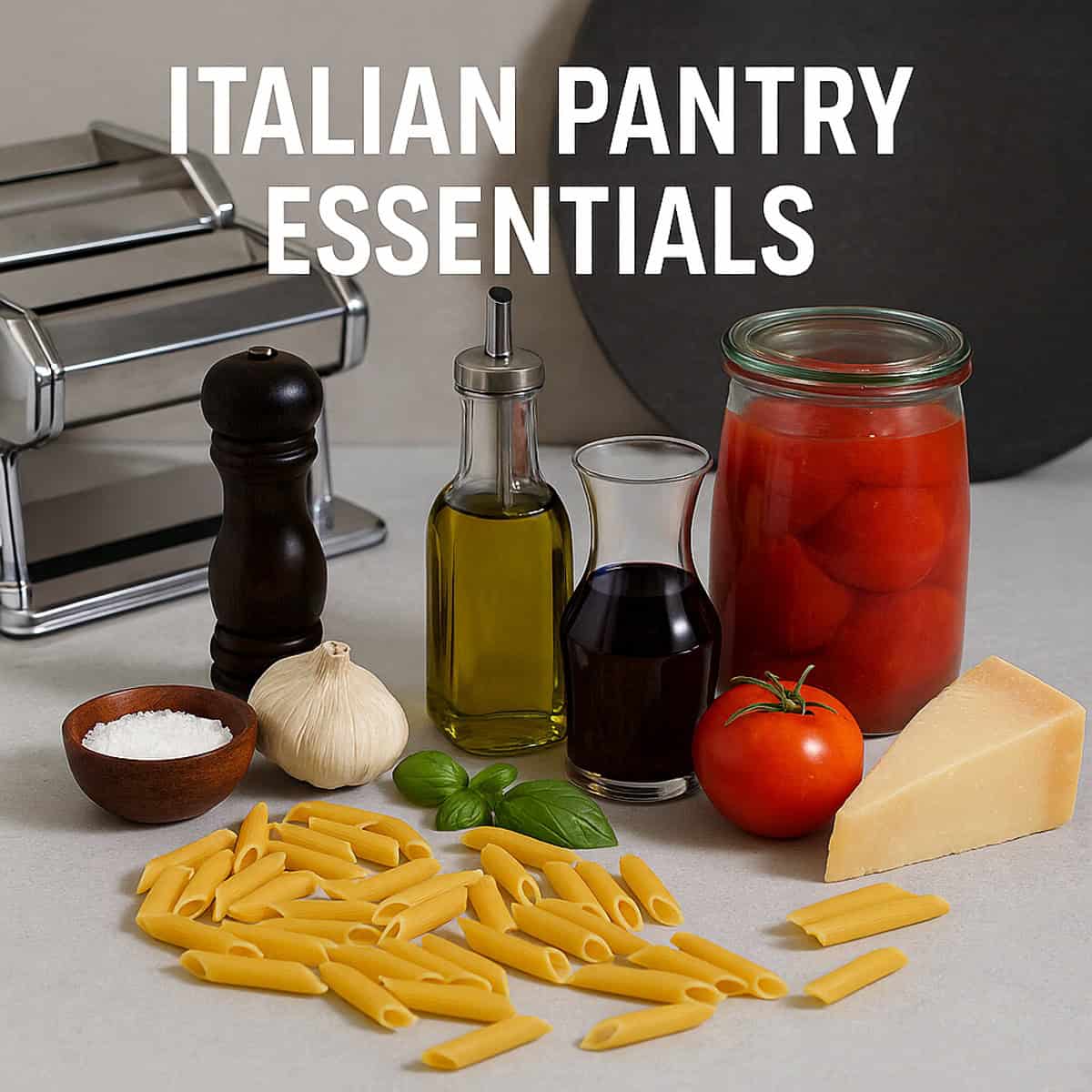
Italian Pantry Essentials | Ingredients & Tools for Authentic Italian Cooking
Building your Italian Pantry Italian cuisine is rustic yet refined, and it thrives on quality over quantity. A handful of pantry staples — good olive oil, canned and ripe tomatoes, […]
-
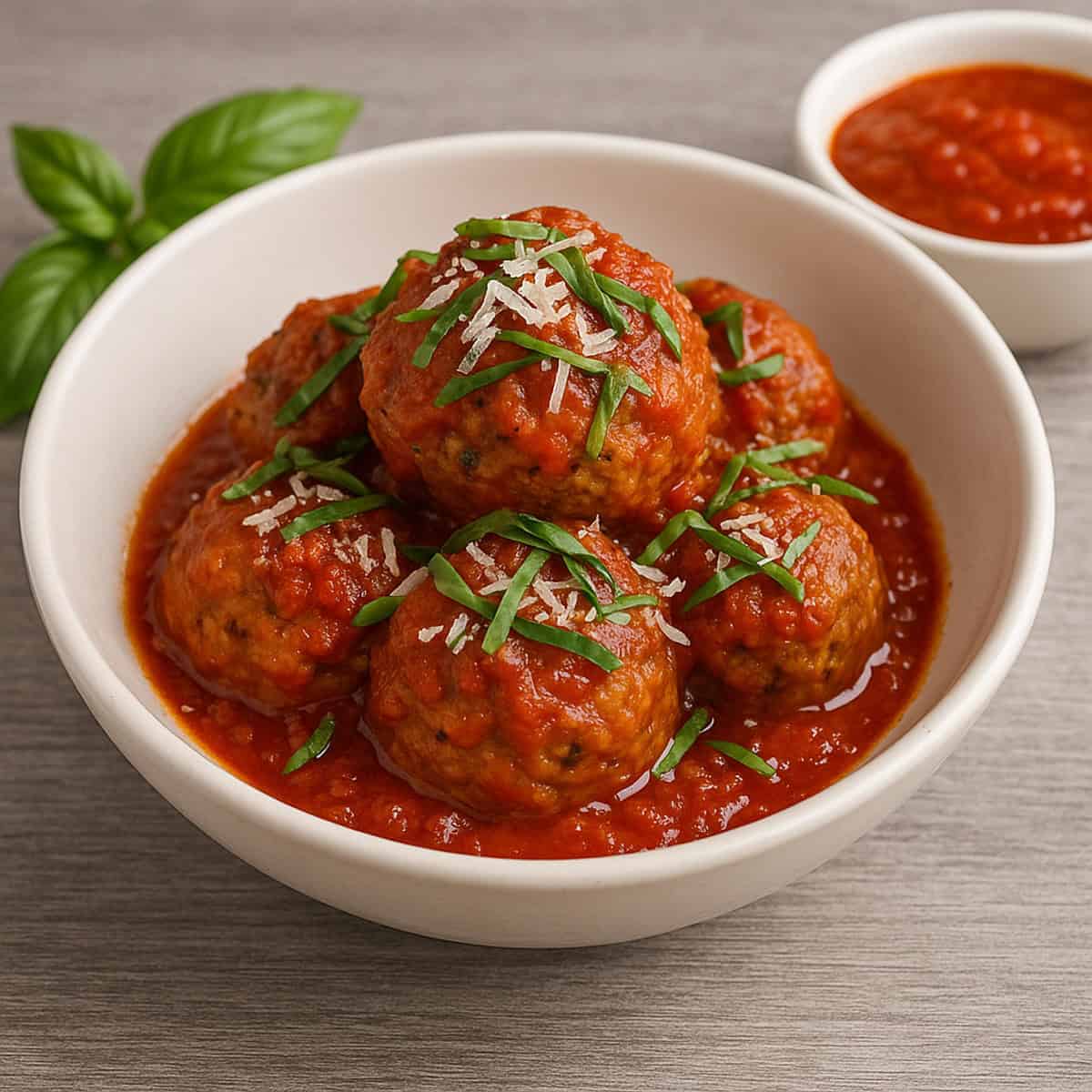
Nonna’s Secret Italian Meatballs with The Essential Italian Tomato Sauce (Sugo al Pomadoro)
What's the Secret to these Italian Meatballs? If there’s one recipe that brings family together, it’s Nonna’s Italian meatballs. Hand-rolled, simmered in rich tomato sauce, and served with love, this […]
-
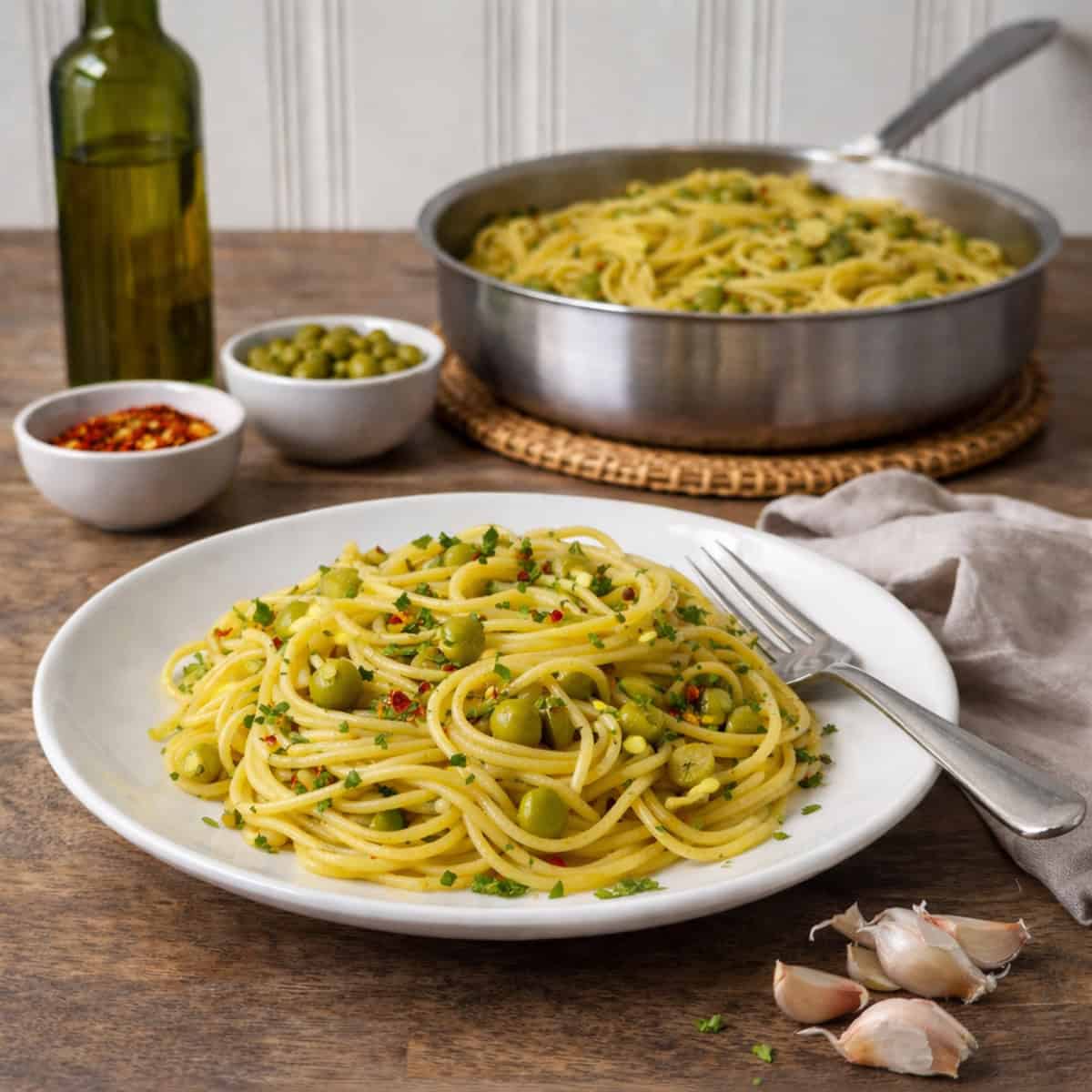
Spaghetti Aglio e Olio with Green Olives
Spaghetti Aglio e Olio with Green Olives Spaghetti aglio e olio is Roman cooking reduced to its essentials: pasta, olive oil, garlic, and restraint. A small addition of green olives […]