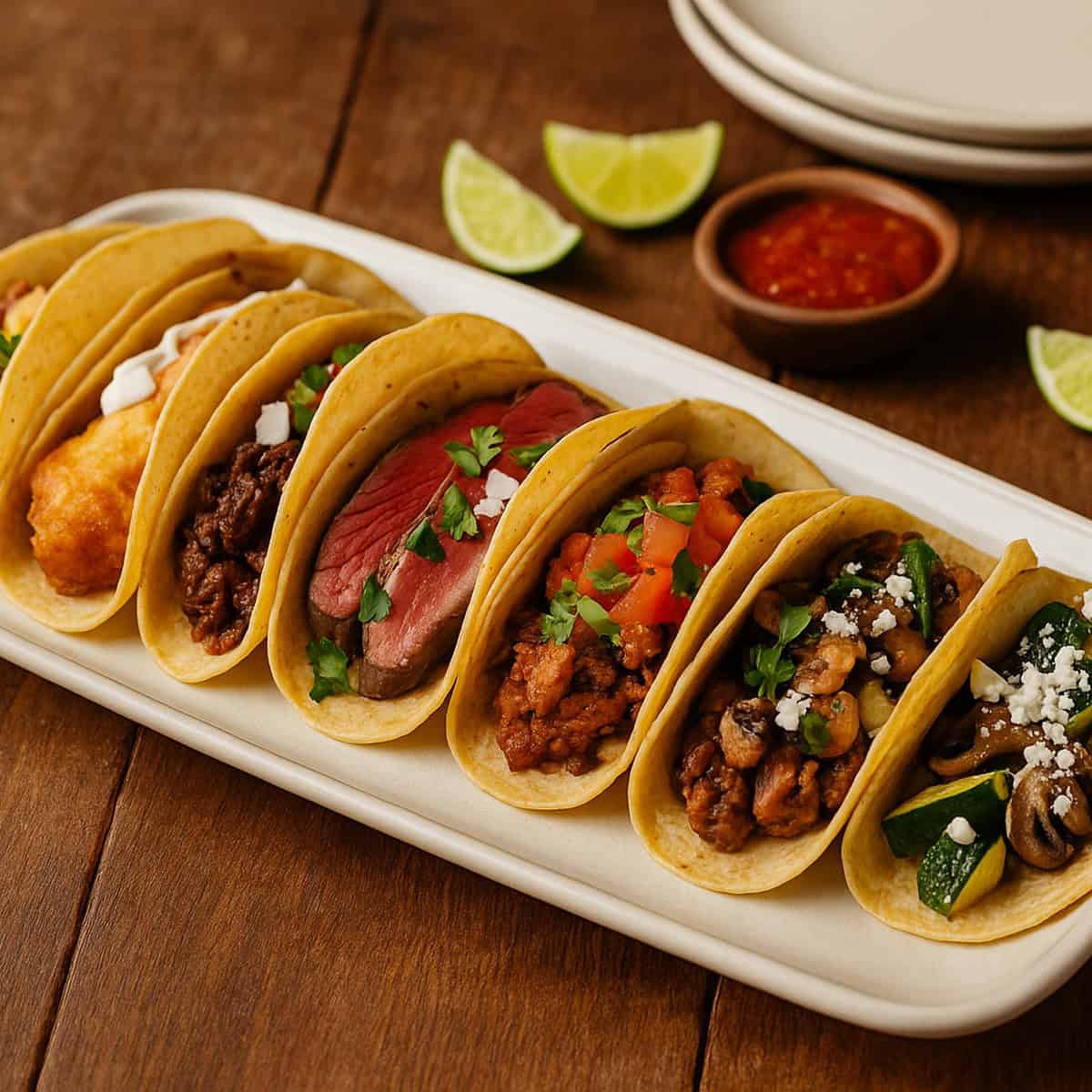
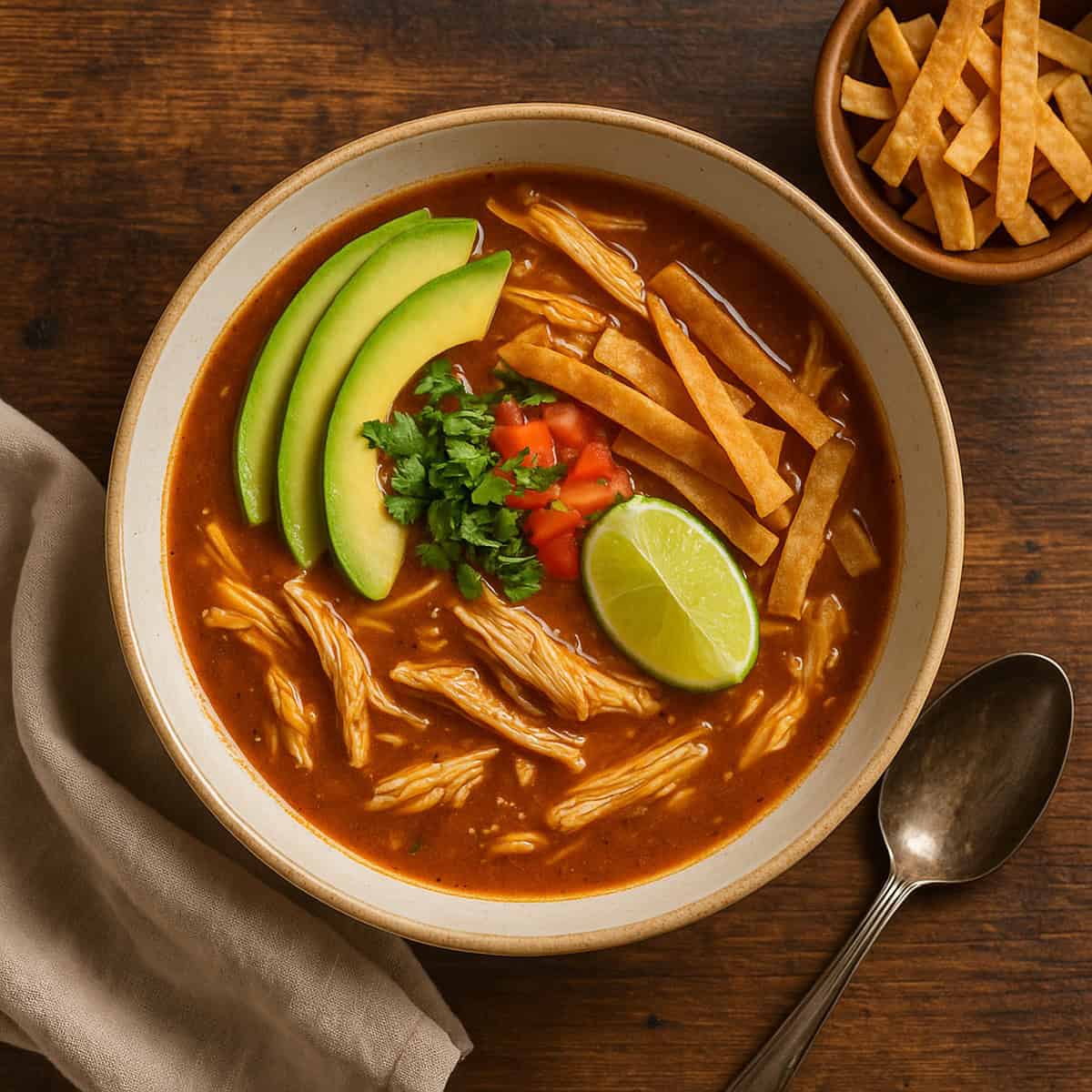
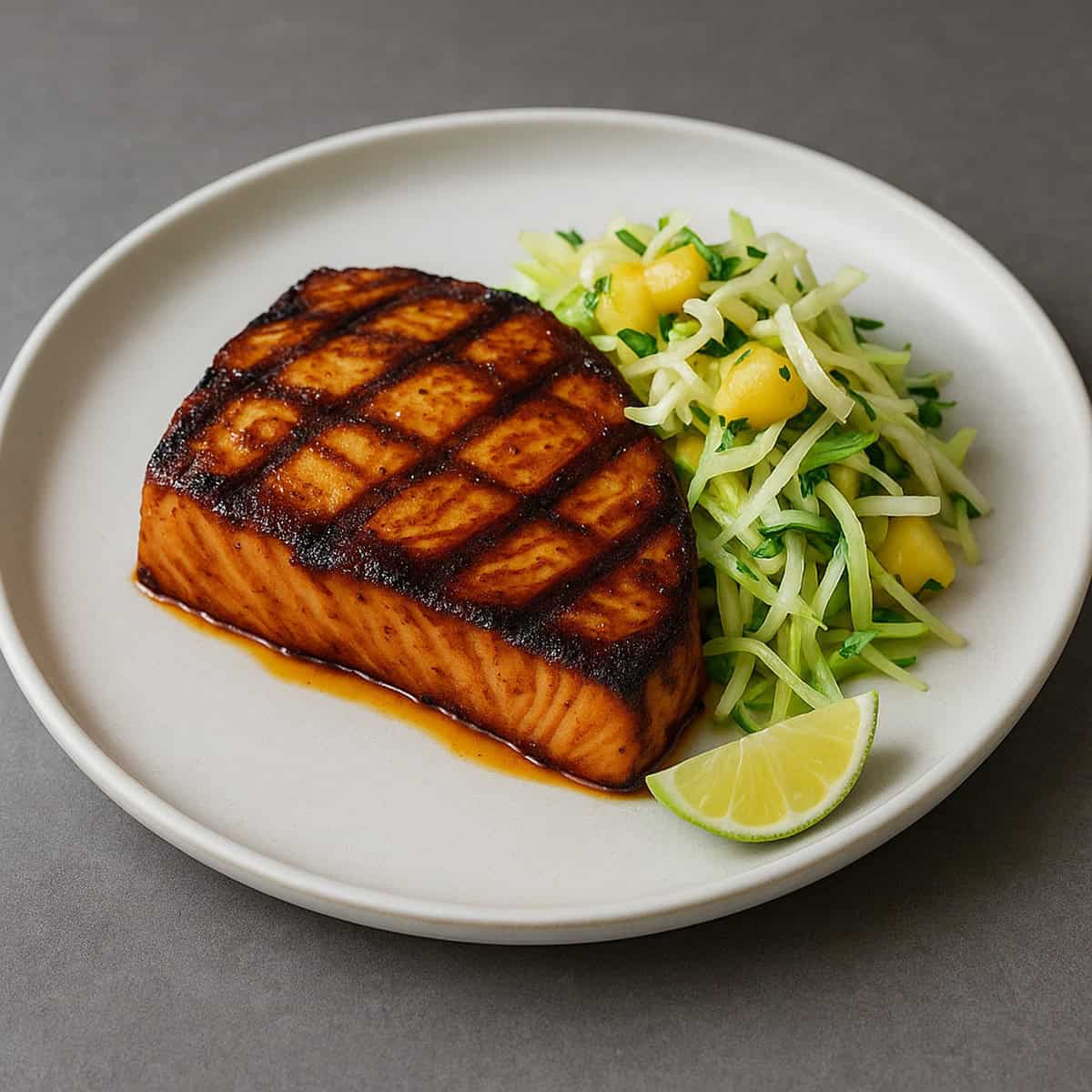
Mexican cooking is built on transformation. Corn is nixtamalized, chiles are dried and toasted, sauces are ground and layered, and flaovr develops through preparation rather than assembly. Heat and fire shape the process, but deapth comes from how ingredients are treated over time. Technique lives in repetition, not shortcuts.
-
Fish Tacos: Fried Baja Crunch Meets Grilled Coastal Smoke
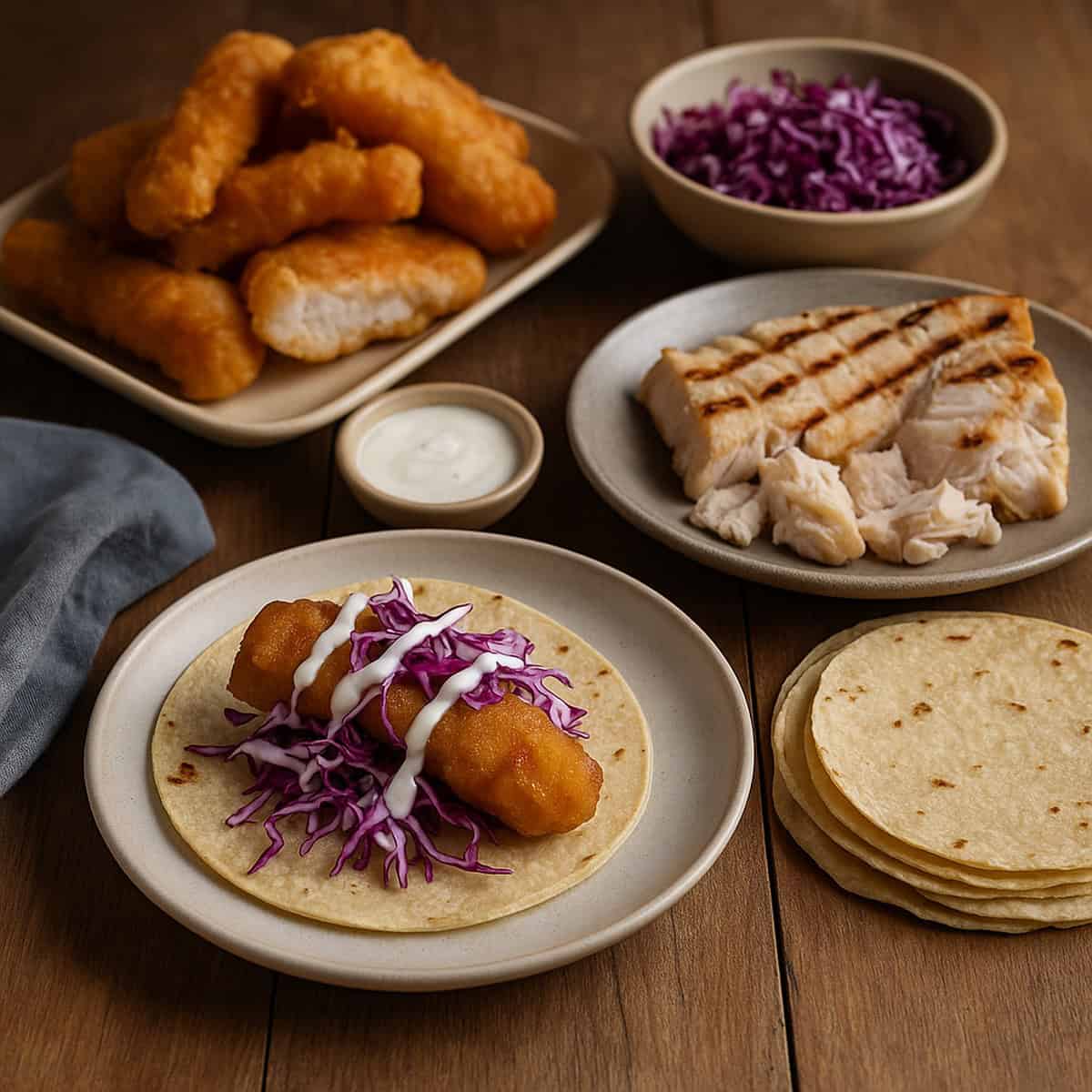
The Smell Fish tacos aren’t delicate little plates. They’re messy, dripping with crema, topped with cabbage that crunches with an audible crispness under your teeth. The fried version comes straight […]
-
Easy Carnitas: Mexico’s Juiciest, Crispiest Pork
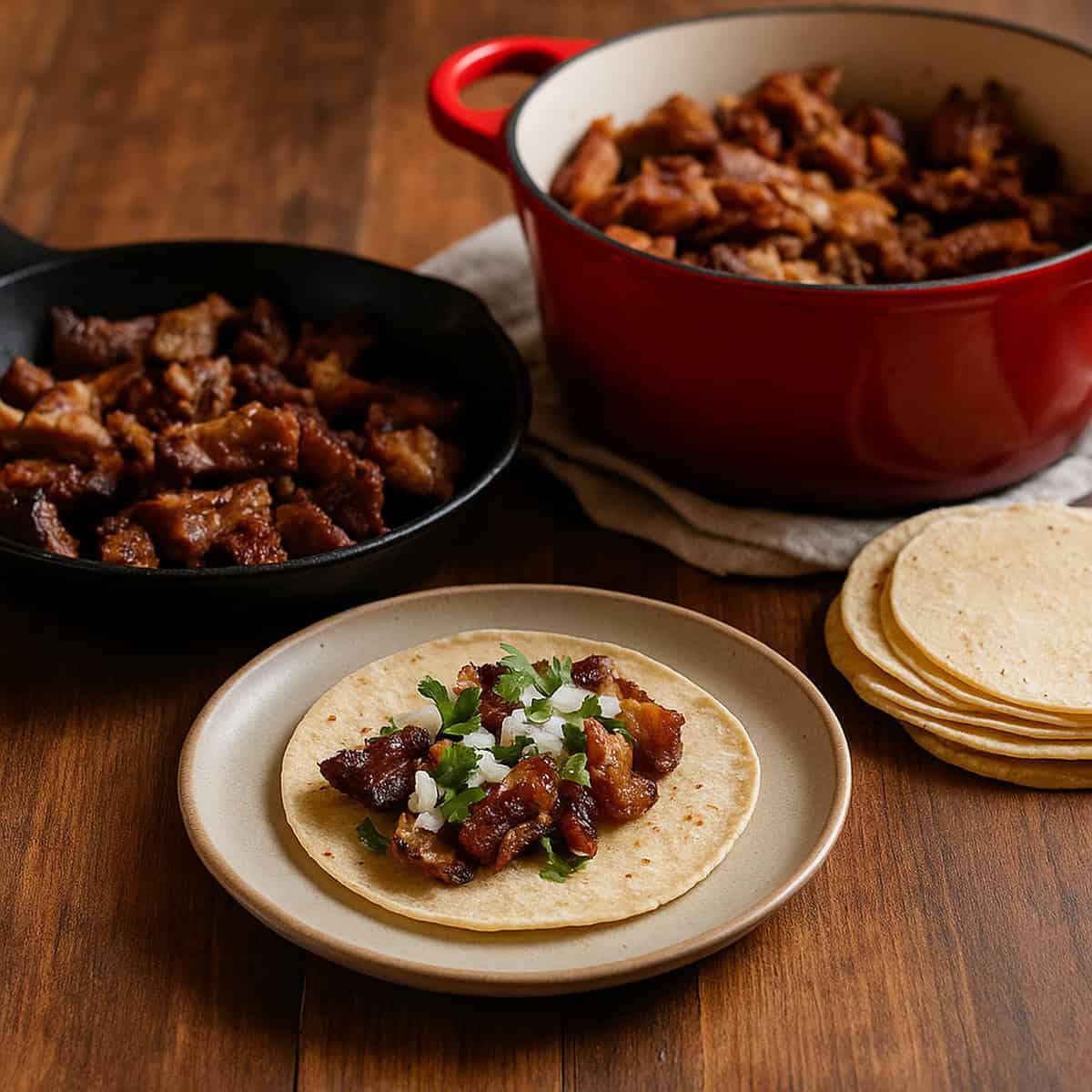
The Smell Carnitas aren’t delicate. They’re pork cooked in its own fat until the edges shatter with crispness and the inside melts into juicy strands. This is the street food […]
-
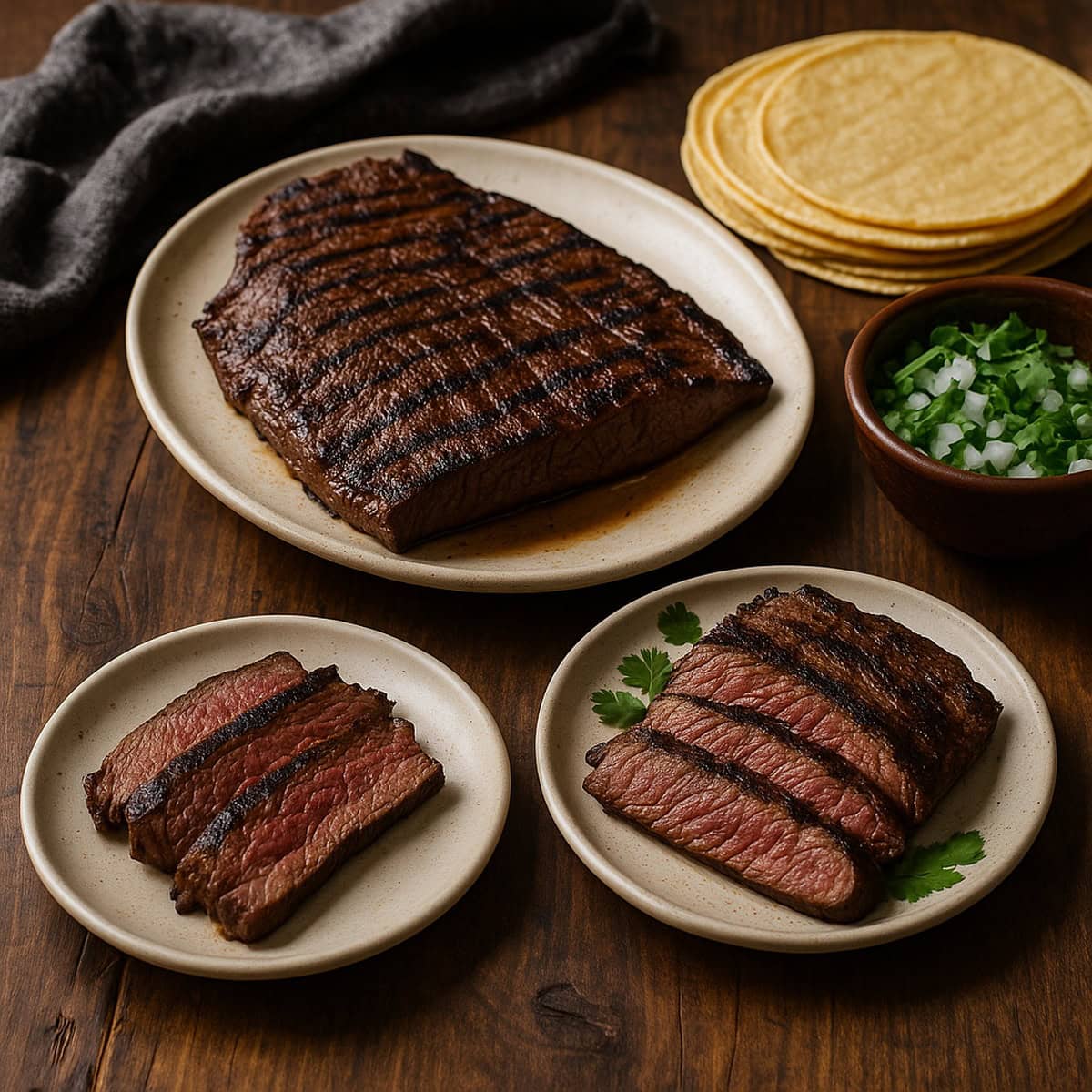
Carne Asada: Fire, Flavor, and the Joy of Grilling
The Smell There’s nothing discreet about carne asada. The smoke sticks to your clothes, the fat spits against the fire, and the smell lures half the neighborhood to your backyard. […]
-
Tacos: Stories Wrapped in a Tortilla
Each taco tells a story, the first bite is always a surprise. The tortilla feels warm in your hand, soft and pliable, yet strong enough to hold what’s inside. Then […]
-
Chicken Tortilla Soup: Spicy, Comforting & Ready in 30 Minutes
📌 What Is Chicken Tortilla Soup? Chicken tortilla soup is a Tex-Mex classic, featuring a savory tomato-chile broth, shredded chicken, and crispy tortilla strips. With bold spices and a customizable […]
-
Swordfish Al Pastor
Al Pastor is one of Mexico’s most beloved taco styles, inspired by Lebanese immigrants who brought spit-roasted shawarma to Mexico. Traditionally made with marinated pork layered on a trompo, the […]
Mexican cuisine does not descend from Europe. It survives Europe.
Long before borders, flags, or trade routes, Mexico had a complete food system built on corn, beans, squash, chilies, and fire. That system didn’t disappear after colonization—it absorbed new ingredients, adapted techniques, and kept going.
Mexican food isn’t a greatest-hits album. It’s regional, agricultural, ceremonial, and deeply practical. Every dish makes sense once you know where it comes from and why it exists.
This page is the framework.
Mexican cuisine is built on structure.
Not improvisation, not excess—structure refined over thousands of years. At its core are a few elemental pillars: corn, beans, chilies, herbs, and fire. From those foundations comes one of the most sophisticated cooking systems in the world, where technique matters more than novelty and repetition is a sign of mastery.
This is a cuisine shaped by Indigenous knowledge long before European contact. Nixtamalization, grinding, fermentation, and slow cooking were not discoveries—they were inheritances. Corn is treated not as a side dish, but as a living ingredient. Chilies are used for aroma, bitterness, sweetness, and heat. Sauces are built slowly, deliberately, and with purpose.
Mexican food is intentional.
The Canon: Dishes That Define the Cuisine
Mexican cuisine is anchored by foundational preparations that appear again and again, in countless regional forms:
Mole
Not a single sauce, but a category of sauces—complex, layered, and deeply regional. Built from chilies, nuts, seeds, spices, and sometimes chocolate, mole represents patience and balance at the highest level.
Tortillas (Corn and Wheat)
The backbone of daily eating. Proper tortillas begin with nixtamalized corn and are cooked fresh. Everything else is built around them.
Salsas
Fresh, cooked, roasted, or fermented—salsas are not condiments, but integral components of the meal. They define character and balance.
Tamales
Corn masa transformed through steam and ritual. Filled, wrapped, and shared, tamales are ceremonial food and everyday sustenance at once.
Pozole
A hominy-based stew rooted in pre-Hispanic cooking, enriched over time with meat, chilies, and garnishes that allow each diner to build their own balance.
Beans (Frijoles)
Never secondary. Beans are cooked simply, then refried, mashed, or served whole—providing structure, protein, and continuity.
Masa-Based Dishes
From tortillas and tlacoyos to gorditas and sopes, masa is endlessly reshaped through technique rather than novelty.
A Cuisine Rooted in Continuity
Mexican cooking carries an unbroken culinary lineage. Indigenous traditions form the backbone, while Spanish influences—livestock, dairy, certain fats—were absorbed and adapted rather than imposed wholesale.
Food here is daily, ceremonial, and regional all at once. Recipes are learned by repetition, not measurement. Flavor comes from process, not excess.
Regional Identity and Expression
Mexico’s regions speak distinct culinary languages:
Oaxaca is defined by moles, chilies, and grinding traditions.
The central highlands emphasize corn, beans, sauces, and stews.
The Yucatán leans toward citrus, achiote, and pit cooking.
Northern Mexico favors fire, grilling, and wheat tortillas shaped by ranching culture.
Coastal regions bring seafood, freshness, and sharper acidity.
Each region cooks differently, but all share respect for ingredient and method.
Technique Over Assembly
Mexican cuisine is often misunderstood as ingredient-heavy. In reality, it is technique-driven.
Chilies are toasted with intention. Sauces are layered in stages. Masa is hydrated and rested properly. Timing determines texture and flavor. When done correctly, even the most complex dishes feel grounded and coherent.
This is food that rewards patience and punishes shortcuts.
The Foundations of Mexican Cooking
At the center of Mexican cuisine is corn—not as a side dish, but as culture. Through nixtamalization, corn becomes masa, unlocking nutrition, structure, and flavor. From there, everything expands outward.
Across regions, a few truths repeat:
- Corn and masa in countless forms
- Beans as daily sustenance
- Chilies used for flavor, not just heat
- Grinding, roasting, and slow cooking
- Meals designed to feed many, often communally
Mexican cuisine is about process, not shortcuts. Time matters. Fire matters. Hands matter.
Mexico’s Major Regional Cuisines
Mexico is best understood through its regions, not its national dishes. Each region represents a distinct culinary tradition, shaped by climate, Indigenous heritage, and local agriculture.
Central Mexico
Identifying cuisines: Central Mexican, Nahua-influenced cuisines (Mexico City, Puebla, Tlaxcala)
Central Mexico forms the backbone of everyday Mexican cooking. This region is defined by masa-based cuisine—corn tortillas, tamales, beans, chilies, and sauces prepared for daily life rather than spectacle.
Puebla contributes some of Mexico’s most complex ceremonial dishes and sauces, while Mexico City reflects market-driven cooking built on repetition and refinement. This is the core grammar of Mexican food: practical, layered, and deeply rooted in home kitchens.
Oaxaca
Identifying cuisines: Oaxacan, Zapotec, Mixtec
Oaxaca is one of Mexico’s most culturally and culinarily distinct regions. Its cuisines are defined by deeply layered sauces, especially regional moles, alongside an extraordinary diversity of chilies and corn varieties.
Oaxacan cooking values ritual and process—grinding, roasting, fermenting, and building flavor over time. Corn appears in multiple forms, often paired with complex sauces and aromatic ingredients. This is cuisine as ceremony, not convenience.
The Gulf Coast
Identifying cuisines: Veracruzano, Afro-Caribbean–influenced Mexican cuisines
Gulf Coast cuisine reflects tropical climate and cultural mixing. Seafood, fresh herbs, chilies, and acidity dominate, often combined with ingredients introduced through trade and migration.
Flavors are lighter, brighter, and more aromatic than inland traditions, balancing richness with freshness. Gulf cuisine shows how Mexican food adapts when humidity, fruit, and the sea take the lead.
The Yucatán Peninsula
Identifying cuisines: Yucatecan, Maya
Yucatán cuisine stands apart due to its strong Mayan foundation and historical isolation. Corn, citrus, annatto, smoke, and slow cooking define the region.
Flavors are bold but clean, built through marination and controlled heat rather than heavy sauces. This cuisine operates on sharp contrasts—sour, smoky, savory—and reflects a food system that evolved independently from central Mexican traditions.
Northern Mexico
Identifying cuisines: Norteño, Ranchero
Northern Mexican cuisine reflects arid landscapes, ranching culture, and open-fire cooking. Wheat tortillas appear alongside corn, and grilling plays a larger role than saucing.
This region emphasizes meat, simplicity, and direct flavor—food designed to fuel long days and wide territories. Northern cuisine shows how Mexican cooking adapts when water is scarce and cattle are central.
The Pacific Coast
Identifying cuisines: Pacifico, coastal regional cuisines (Sinaloa, Nayarit, Baja)
Pacific Mexican cuisine is driven by seafood and immediacy. Grilling, curing, and quick cooking dominate, often paired with citrus, chilies, and fresh herbs.
This is Mexican food at its most agile—responsive to the day’s catch and designed to be eaten fresh. The Pacific coast highlights how Mexican cuisine shifts when the ocean becomes the pantry.
Why Mexican Cuisine Stands Alone
Mexican cuisine is one of the world’s great foundational food systems. Its influence stretches across the Americas, shaping Central American cooking and informing much of what later became Southwestern and borderland food.
Understanding Mexican cuisine explains:
- Why corn matters globally
- How chilies became flavor, not gimmick
- Why street food can be as serious as fine dining
This is not fusion. This is continuity.
Where to Go Next
This pillar establishes Mexican cuisine as a standalone system, not a subset of North America. From here, deeper pages explore:
- Regional Mexican cuisines in detail
- Corn, masa, and nixtamalization
- Sauces and moles
- Street food vs. home cooking
- Pantry essentials and traditional tools
Every page links back here—because everything in Mexican cooking starts with understanding the structure.