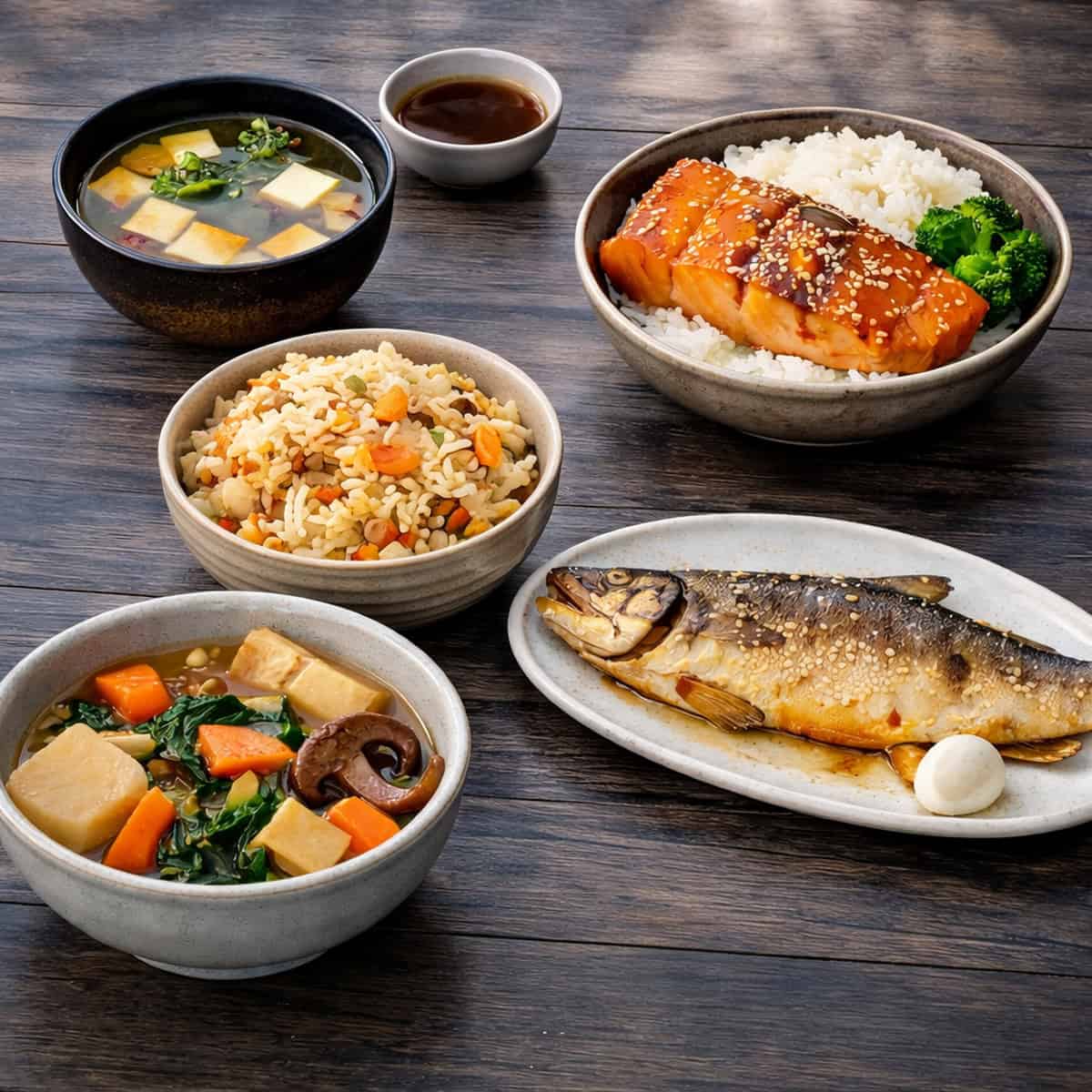
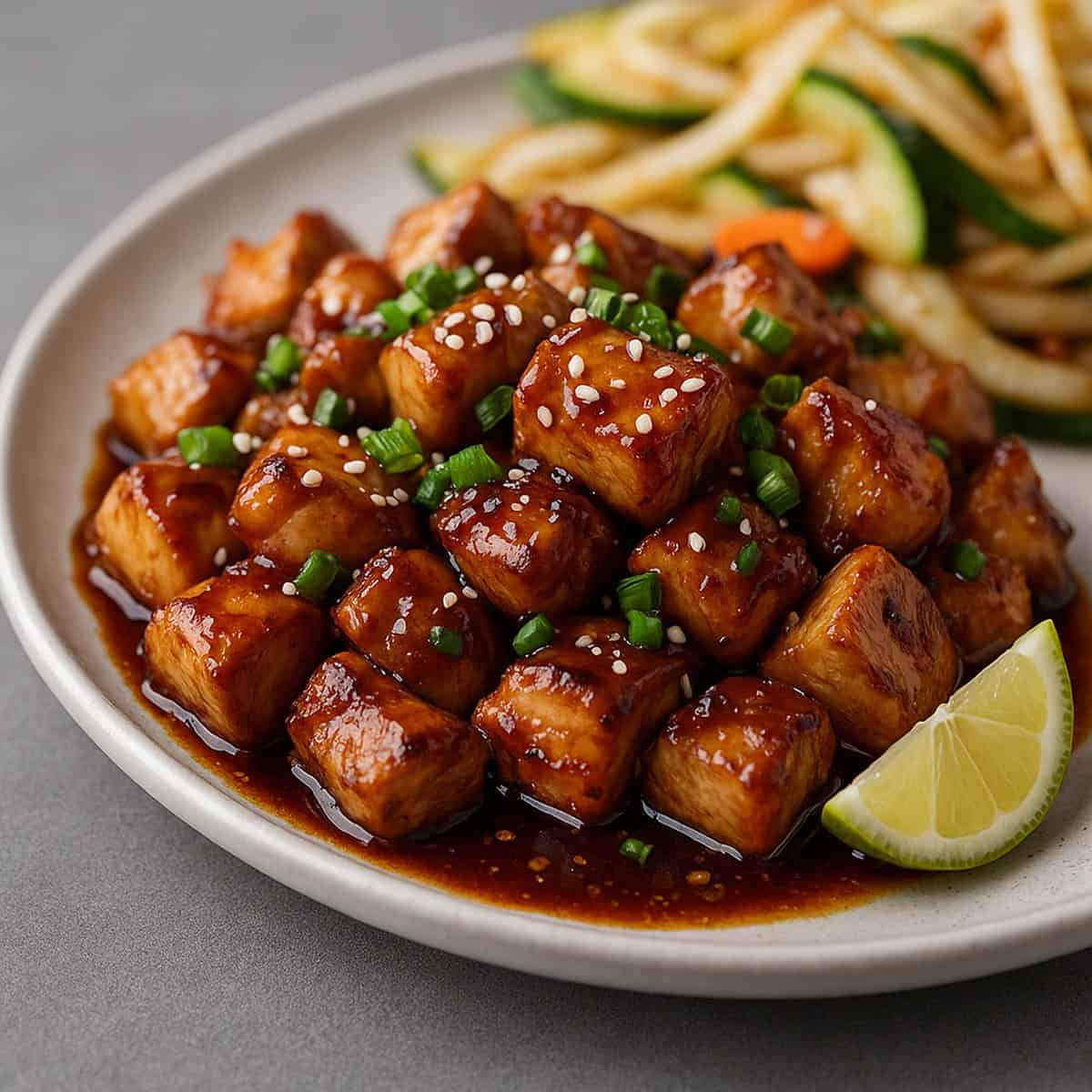
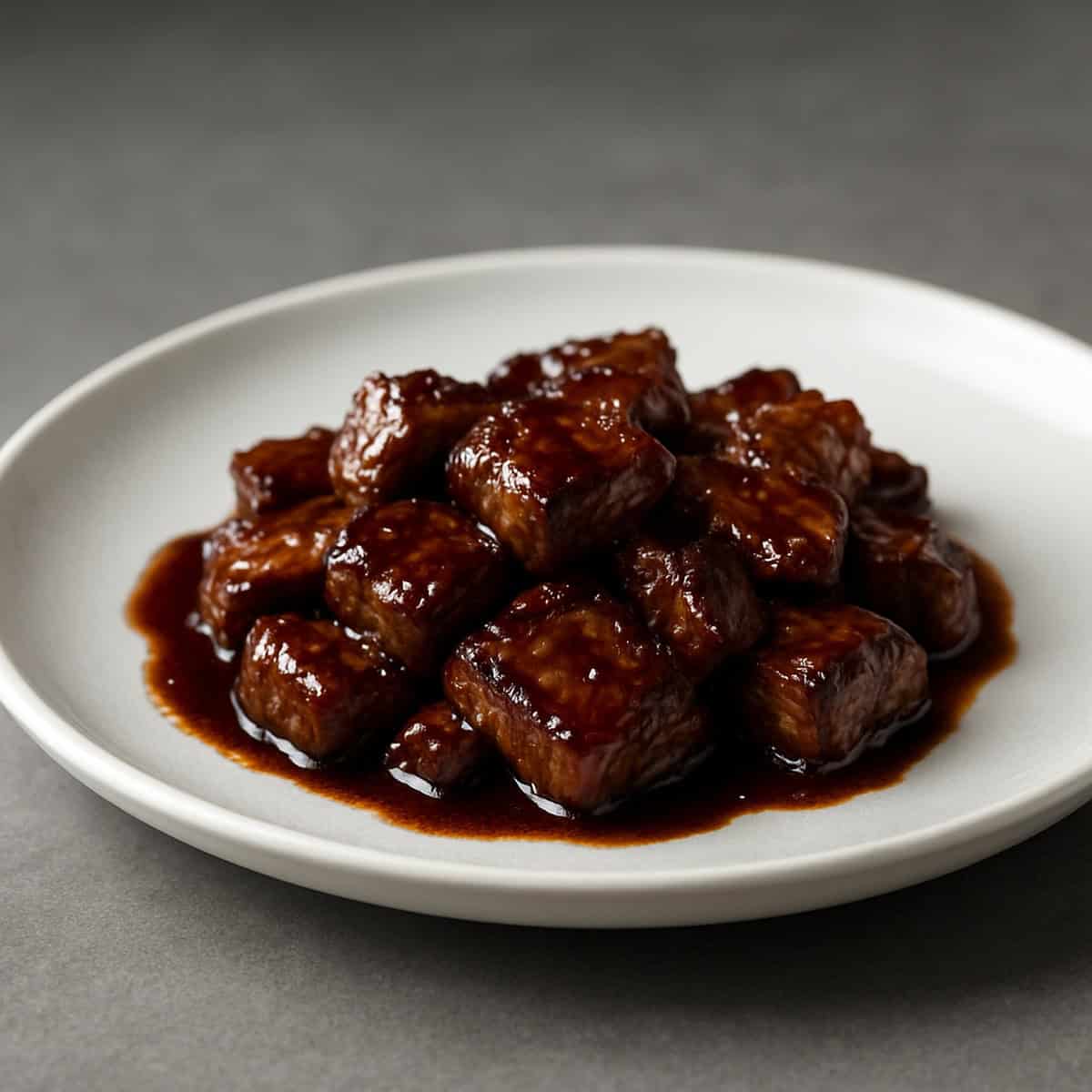
Japanese cooking is built on structure and precision. Techniques are repeated until they become instinct, and small details are treated as decisive rather than decorative. Ingredients are not layered for complexity; they are handled within established forms, where precision is visible and mistakes are exposed. Mastery comes from refinement and repetition, pursued over time.
-
Soy Sauce: The Quiet Power Broker of the Pantry
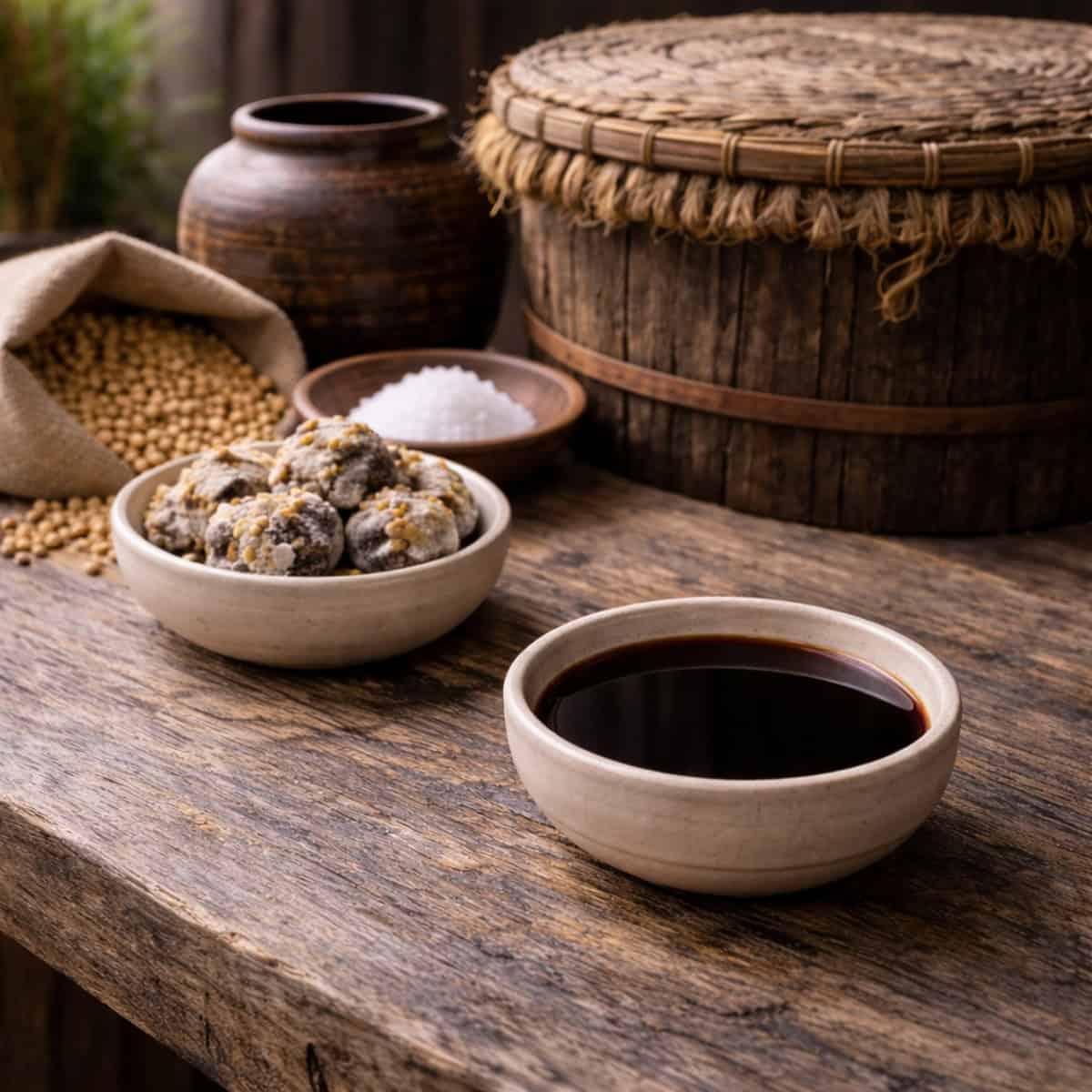
Soy sauce is not a condiment. It’s a process. A liquid archive of microbes, time, salt, and human patience. It looks simple—dark, salty, obedient—but it carries more regional identity than […]
-
Sushi Basics: A Practical Guide to Understanding Japanese Sushi
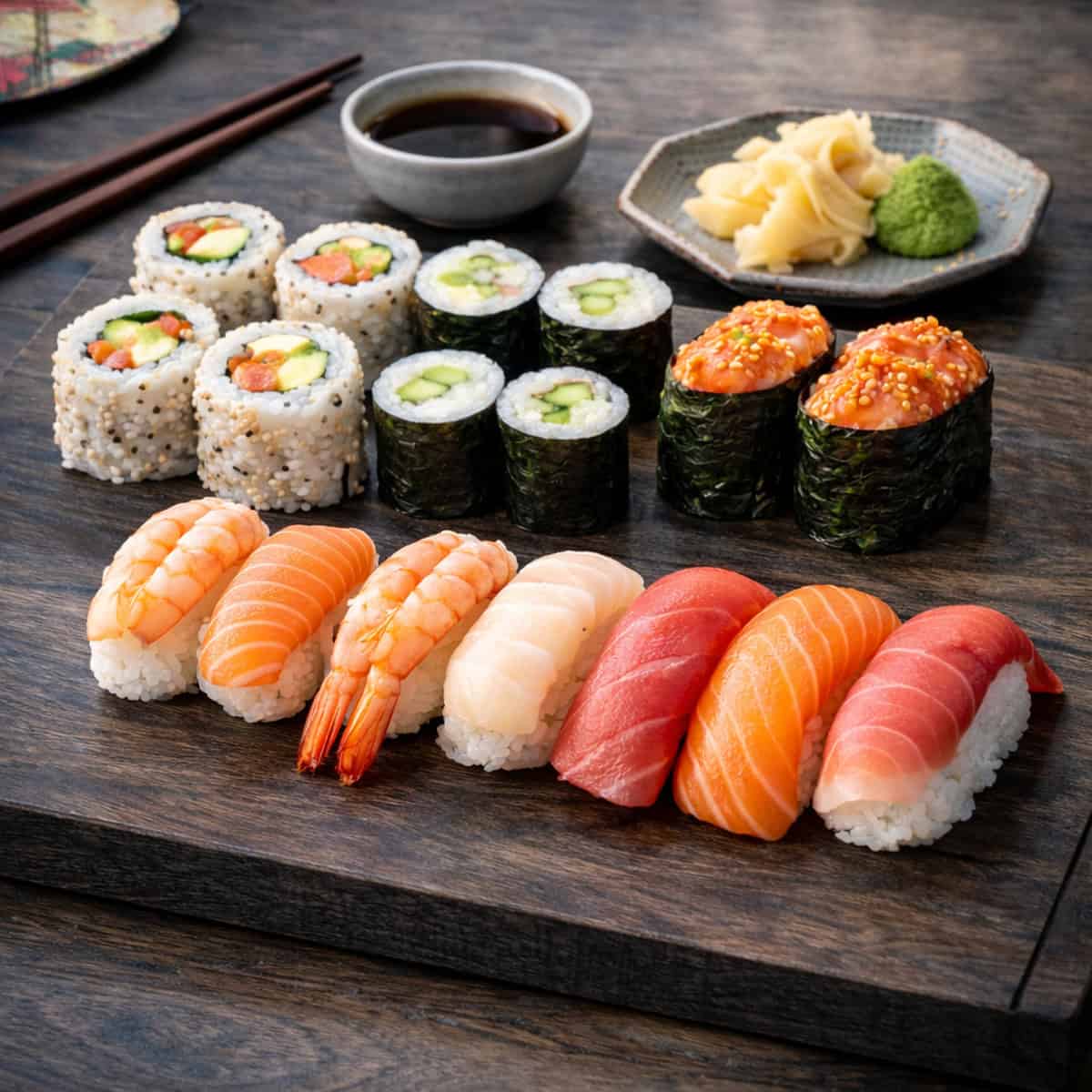
What Sushi Really Is (and Isn’t) Let’s clear the fog first. Sushi is not raw fish. Sushi is seasoned rice. Always has been. Always will be. The word sushi refers […]
-
Core Dishes That Define Japanese Cuisine

Miso Soup — Daily, Not Decorative Miso soup isn’t a starter in Japan. It’s a constant. Breakfast, lunch, or dinner, it shows up because it works with the body, not […]
-
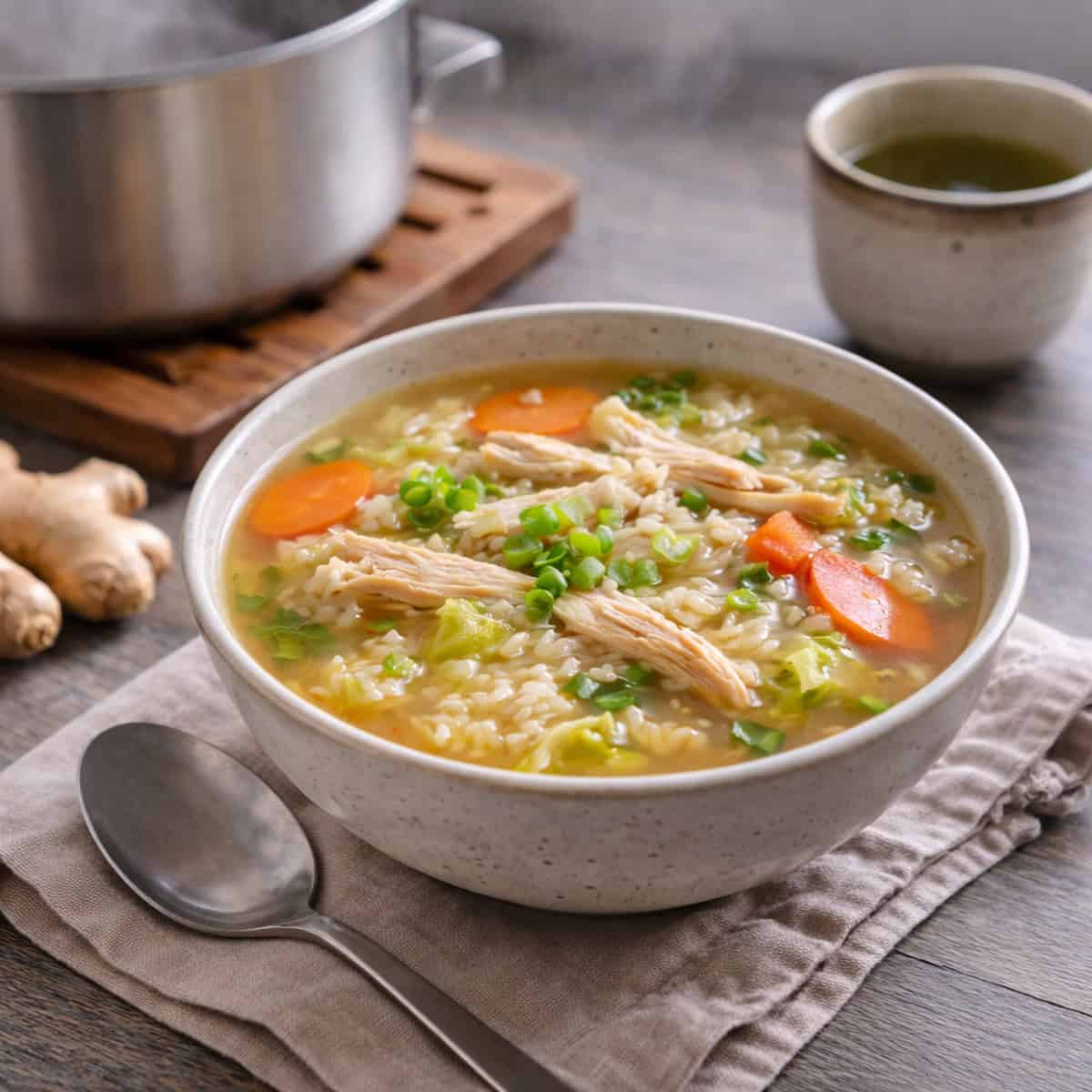
Chicken and Rice Miso Soup Gentle Comfort with Japanese Roots
Steam lifts from the bowl, carrying ginger and warm broth. The rice settles at the bottom, the chicken shreds easily, and the miso hums quietly in the background — savory, […]
-
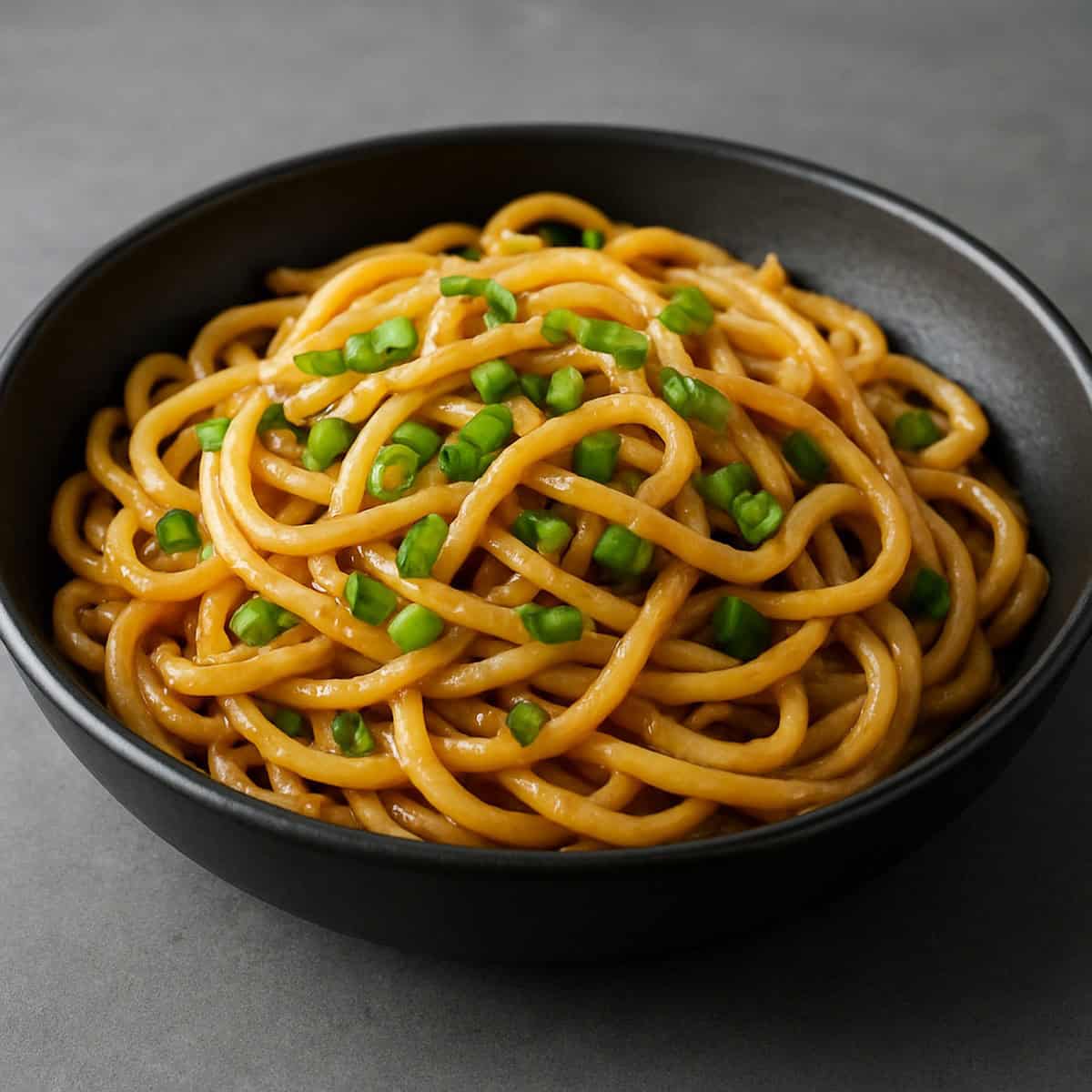
Hibachi Style Garlic Noodles
These Hibachi-Style Garlic Noodles are buttery, savory, and packed with umami flavor—just like your favorite Japanese steakhouse side. Made with simple pantry staples and ready in under 20 minutes, they’re […]
-
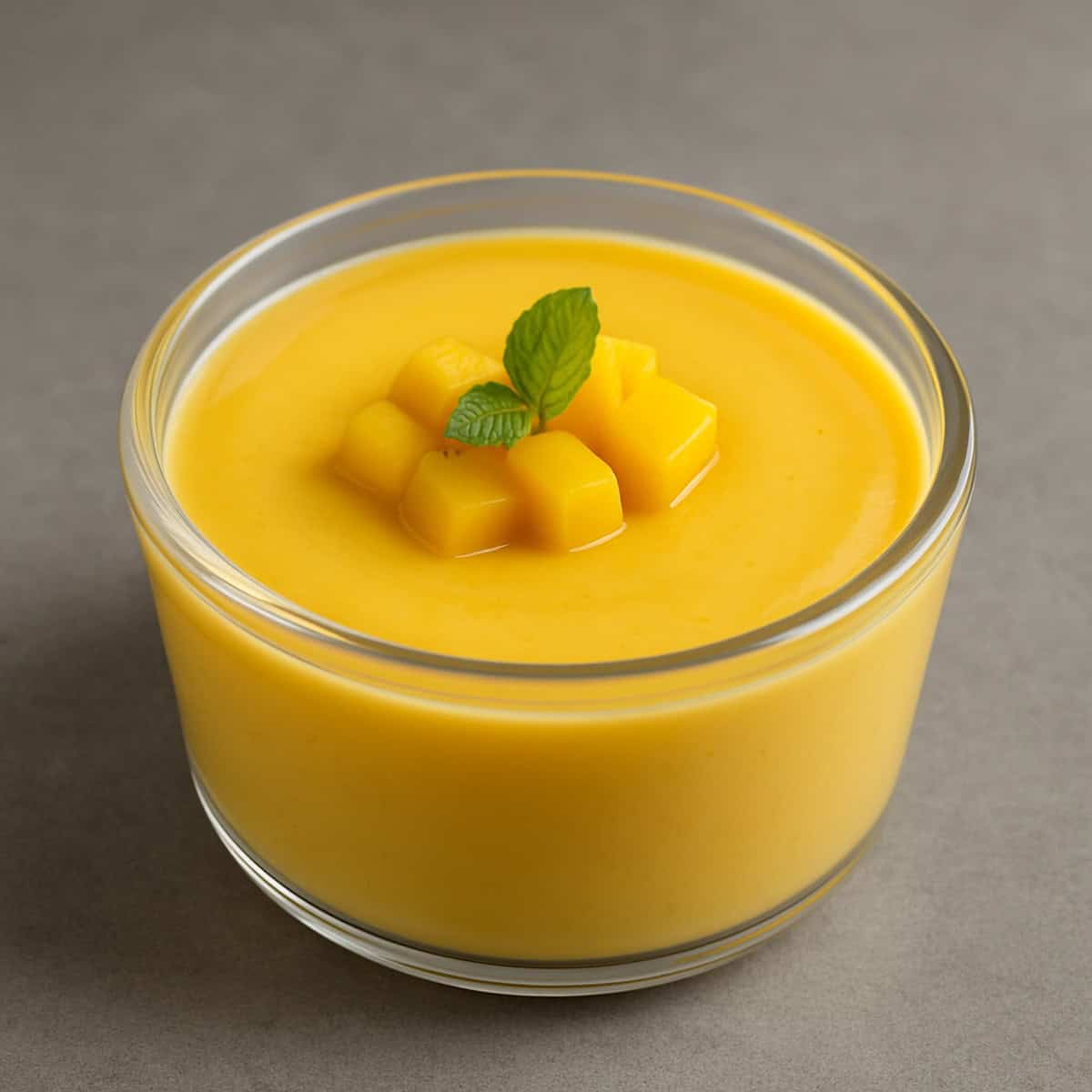
Hibachi Style Mango Pudding
-
Hibachi-Style Chicken (Japanese Steakhouse at Home)
Make restaurant-style hibachi chicken at home with tender chicken, garlic butter, and soy glaze. Quick, flavorful, and perfect for weeknight dinners.
-
Hibachi Style Beef (Better than takeout!)
Skip the takeout! This Hibachi Style Beef brings the sizzle right to your cooktop. If you’ve ever watched a hibachi chef work the grill like a magician, you know the […]