
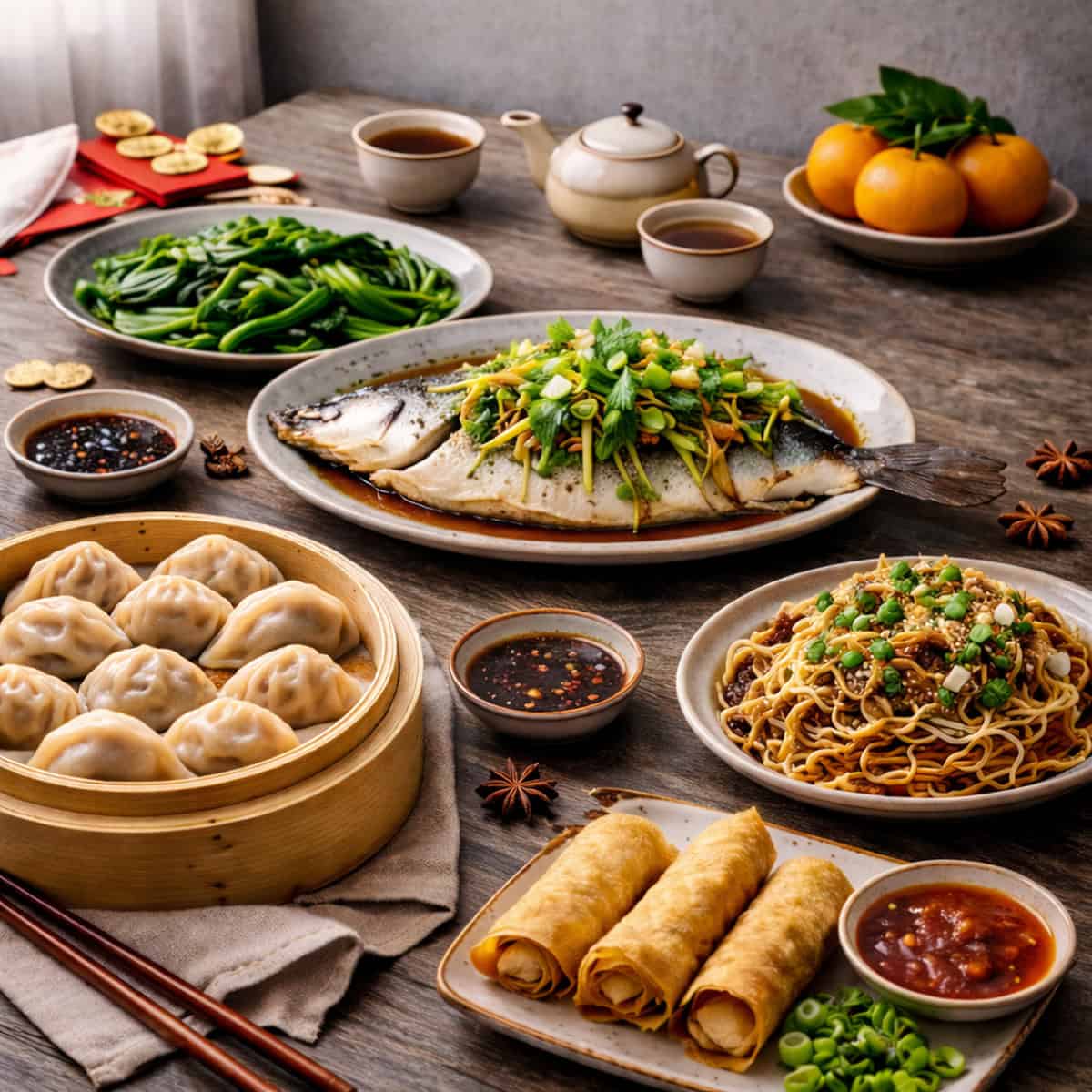
Chinese Lunar New Year is centered around food that’s meant to be shared.
Certain dishes—dumplings, long noodles, whole fish—are cooked not for show, but because they’ve long been part of welcoming the year ahead. This guide focuses on the foods most often served and how to cook them simply and well at home.
What Is Chinese Lunar New Year?
Chinese Lunar New Year—often called Spring Festival—marks the start of the lunar calendar. It's celebrated with family gatherings and mealsdesigned to symbolize luck, properity, and renewal. Many traditional dishes are chosen for what they represent. Some sound like words for wealth or abundance. Others symbolize longevity, unity, or good fortune.
Traditions vary widely across China, but these dishes appear frequently in many households.
Traditional Chinese Lunar New Year Foods and Their Meanings
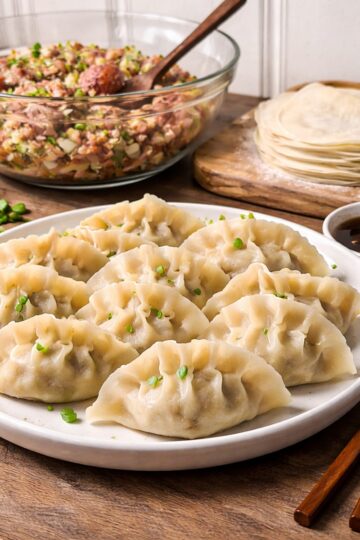
Dumplings (Jiaozi) — Wealth
- Shaped like ancient gold ingots, dumplings symbolize prosperity and financial luck. Families often gather to make them together, reinforcing unity and abundance.
- How to serve: Pork and chive, shrimp, or vegetable
- Passport Kitchen approach: A dumpling-making dinner with two fillings
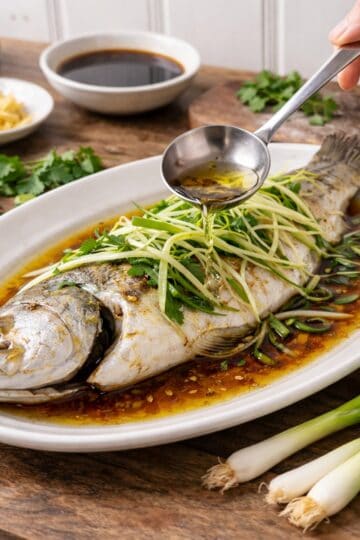
Whole Fish — Abundance
- The Chinese word for fish (yu) sounds like “surplus.” Fish is traditionally served whole to represent completeness and prosperity.
- How to serve: Steamed with ginger, scallions, and soy
- Tradition note: The fish is often left partially uneaten to symbolize abundance carrying into the new year.
Long Noodles — Longevity
- Length matters. Long noodles represent a long life and should not be cut.
- How to serve: Stir-fried or in broth
- Rule: No scissors at the table
Spring Rolls — Wealth
- Their golden color resembles gold bars, making them a popular Lunar New Year dish.
- How to serve: Crispy, filled with vegetables or pork
- Modern option: Baked spring rolls for lighter menus
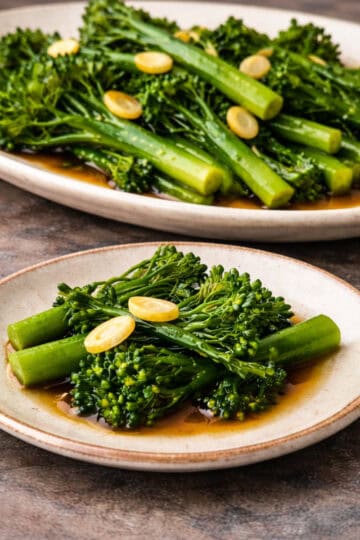
Chinese greens — Growth, vitality, renewal
- Bok Choy, Gai Lan (Chinese broccoli), Choy Sum
- How they’re served: Quickly stir-fried with garlic, or blanched and dressed with oyster sauce
- Why they matter: Green vegetables symbolize new life and a fresh start
Sweet Rice Balls (Tang Yuan) — Family Unity
- Served during the Lantern Festival, these round dumplings symbolize togetherness and harmony.
Color and Symbolism at the Table
- Red: Luck, joy, protection
- Gold: Wealth and prosperity
- Avoid: White and black, traditionally associated with mourning
Hosting Tips for Chinese Lunar New Year
- Clean your home before the holiday—cleaning during New Year is believed to sweep away good luck.
- Serve food family-style.
- Leave a small amount of food uneaten to symbolize abundance.
- Gift mandarins, tea, or sweets when visiting others.
Passport Kitchen Note
Chinese Lunar New Year cooking isn’t about mastering every tradition. It’s about choosing a few meaningful dishes and letting them anchor the table. Food that carries intention always tastes better.
Comments
No Comments