
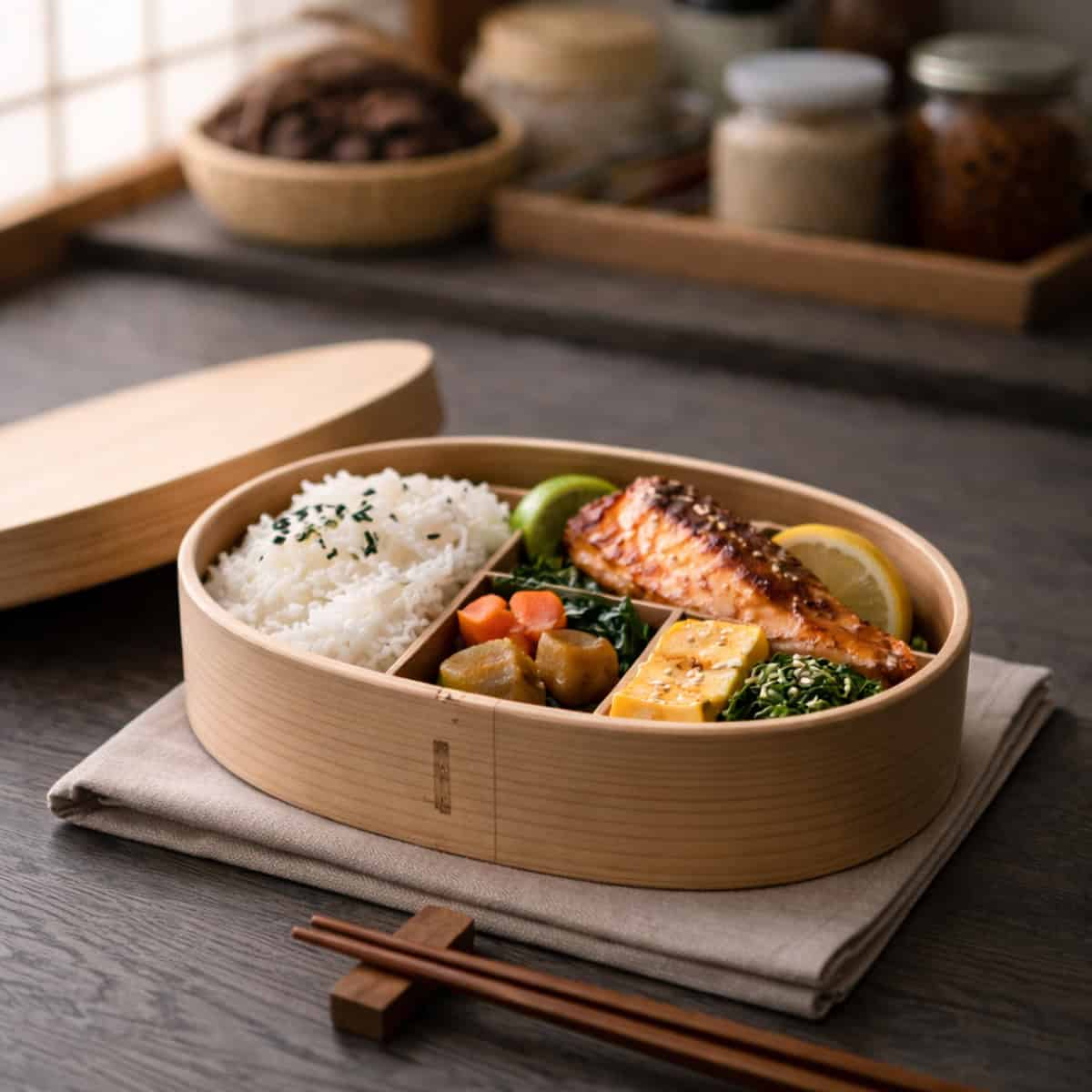
Japan’s food culture is built on repetition, restraint, and seasonality. Meals are designed to be eaten day after day, adjusted slightly for the season, and structured to nourish without excess. This is food meant to support daily life, not disrupt it.
The Big Idea — Restraint as a Form of Care
Japanese cooking values what is left out as much as what is included. Flavors are clean, portions are modest, and meals end before the body feels burdened. This restraint is not deprivation, but design.
What Japanese Cuisine Gets Right About Eating Well
Meals are structured, not improvised. Soup opens the meal, vegetables are consistent, rice anchors without overwhelming, and protein is present but modest. Health emerges as a side effect of habit.
Why Rice Is Eaten Daily
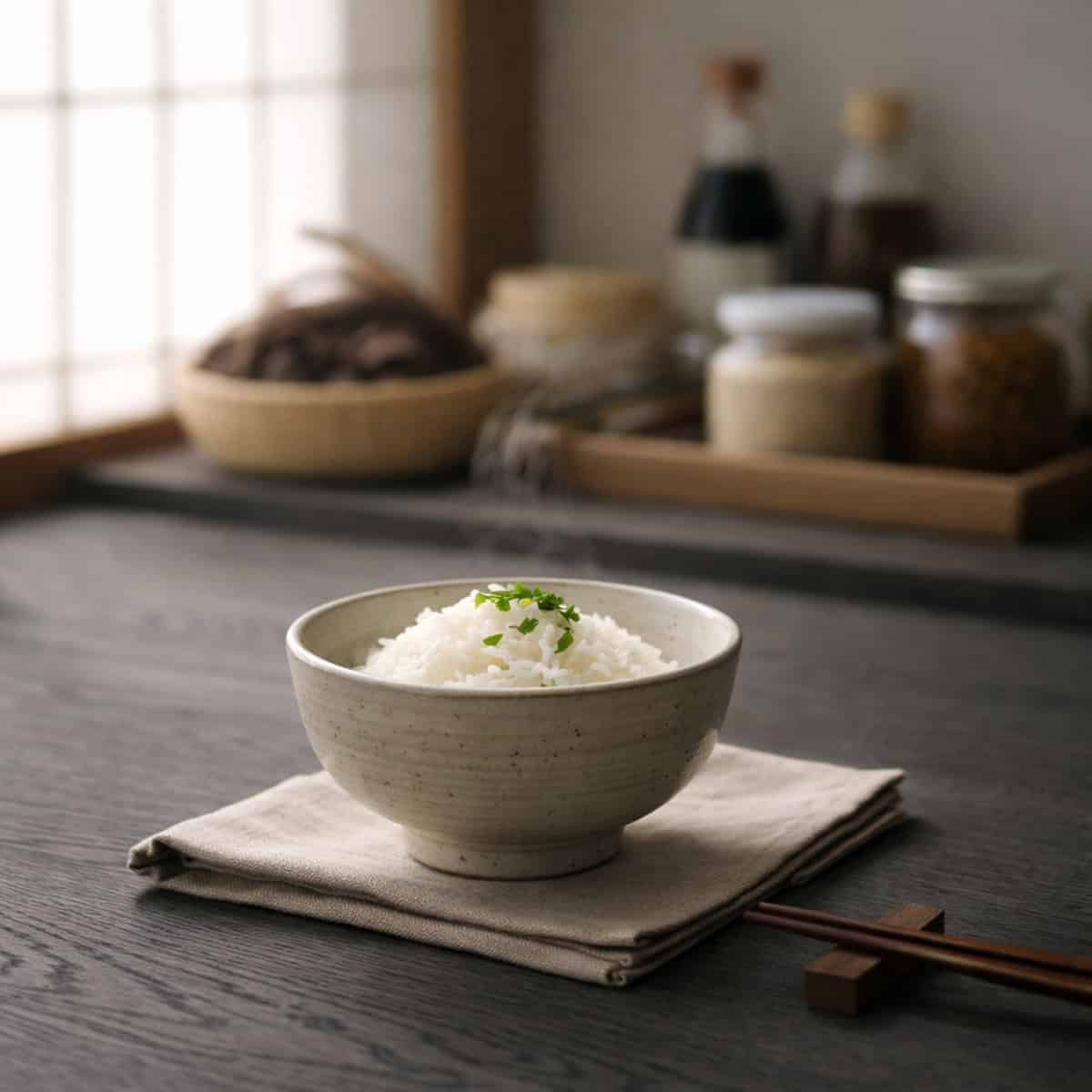
Rice in Japan is not treated as a carbohydrate to manage or avoid. It is treated as an anchor. Steamed rice appears daily because it balances everything else on the table.
Japanese short- and medium-grain rice is mildly sweet, tender, and neutral. It absorbs salty broths, softens fermented flavors, and keeps stronger ingredients from overwhelming the palate. Because rice is plain, it allows side dishes to stay small and proteins to remain modest.
Eating rice daily also establishes rhythm. The bowl is small. Portions are steady. There’s no escalation. Over time, rice teaches the body what “enough” feels like—without counting, measuring, or restriction.
Why Spice Is Restrained
Japanese cooking doesn’t avoid spice because it lacks boldness. It avoids spice because it prioritizes clarity.
Instead of heat, Japanese cuisine builds flavor through ingredients that support digestion and longevity: miso for depth, dashi for savoriness, soy for salinity, ginger for warmth. These flavors linger gently instead of aggressively.
Strong chili heat would overpower delicate fish, seasonal vegetables, and fermented ingredients. More importantly, it would disrupt repetition. Japanese food is meant to be eaten daily. Anything that overstimulates the body eventually becomes tiring. Restraint here is not conservatism—it’s sustainability.
Why Seasonal Eating Matters
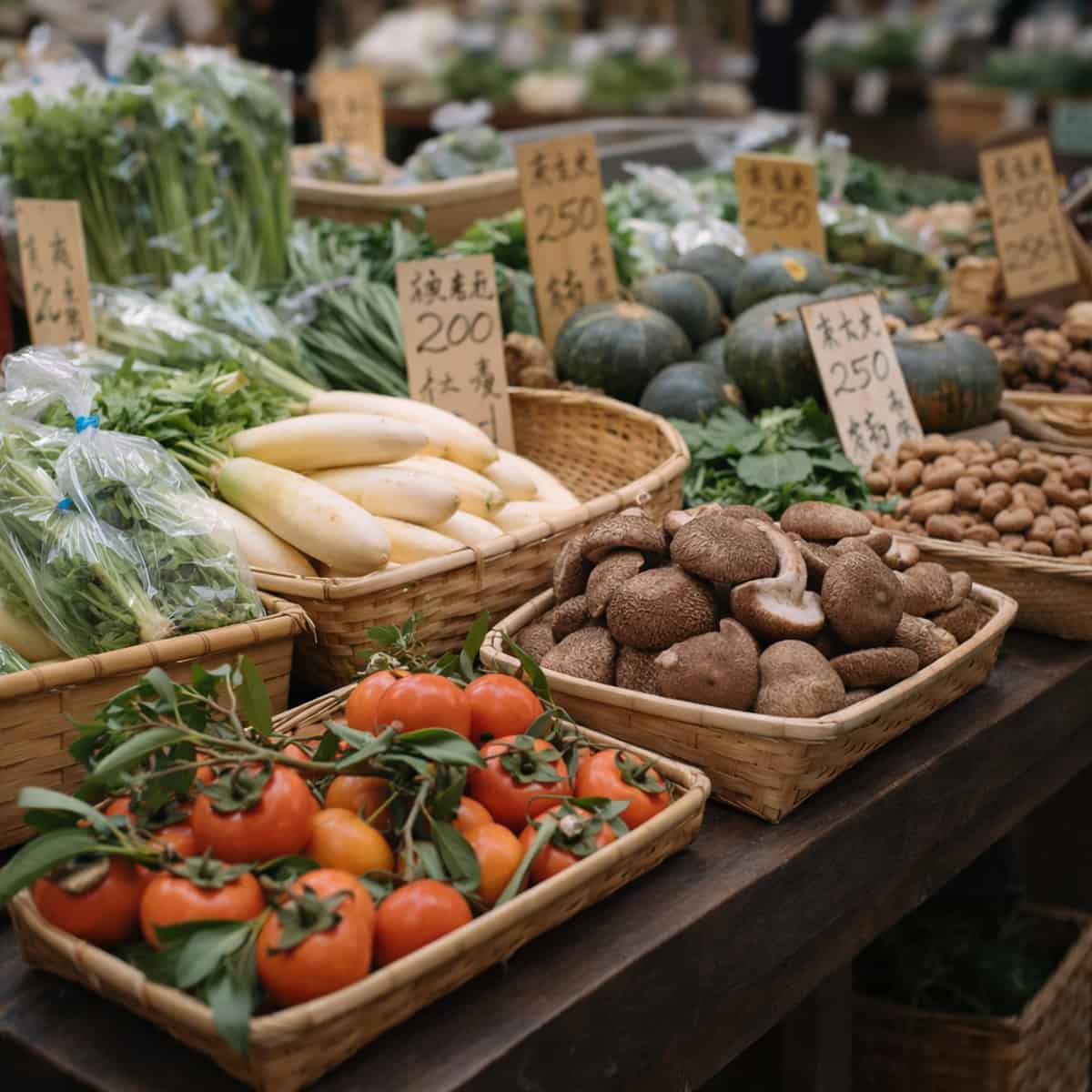
Seasonality in Japan is not aesthetic. It is functional. Ingredients shift with the weather because the body’s needs shift too.
In winter, Japanese cooking leans into soups, simmered vegetables, fermented foods, and warm rice. Raw foods recede. Acidity softens. Meals become grounding rather than stimulating.
Spring introduces lightness. Summer favors cooling preparations. Autumn deepens flavors again. This rhythm reduces strain on digestion and aligns food with environment.
Seasonal eating matters because it prevents extremes. It keeps food responsive rather than rigid—and over a lifetime, that flexibility supports both physical and emotional well-being.
Why These Foundations Matter Together
rice, restrained seasoning, and seasonality are not separate ideas. They form a system where:
- meals progress instead of overwhelm
- ingredients support digestion
- portions stay modest without effort
- food adapts to time and place
This is why Japanese cuisine remains one of the most sustainable ways of eating in the world—not because it is perfect, but because it is repeatable.